Gardening is an age-old practice that brings joy, relaxation, and sustenance to countless individuals. For many gardeners, the goal is not just to grow plants but to grow them in the most productive and harmonious way possible. One intriguing method to maximize the health and yield of garden plants is through the use of a moon phase planting calendar. This article delves into the transformative powers of this natural approach and how understanding lunar cycles can significantly improve your gardening experience.
Understanding Moon Phases
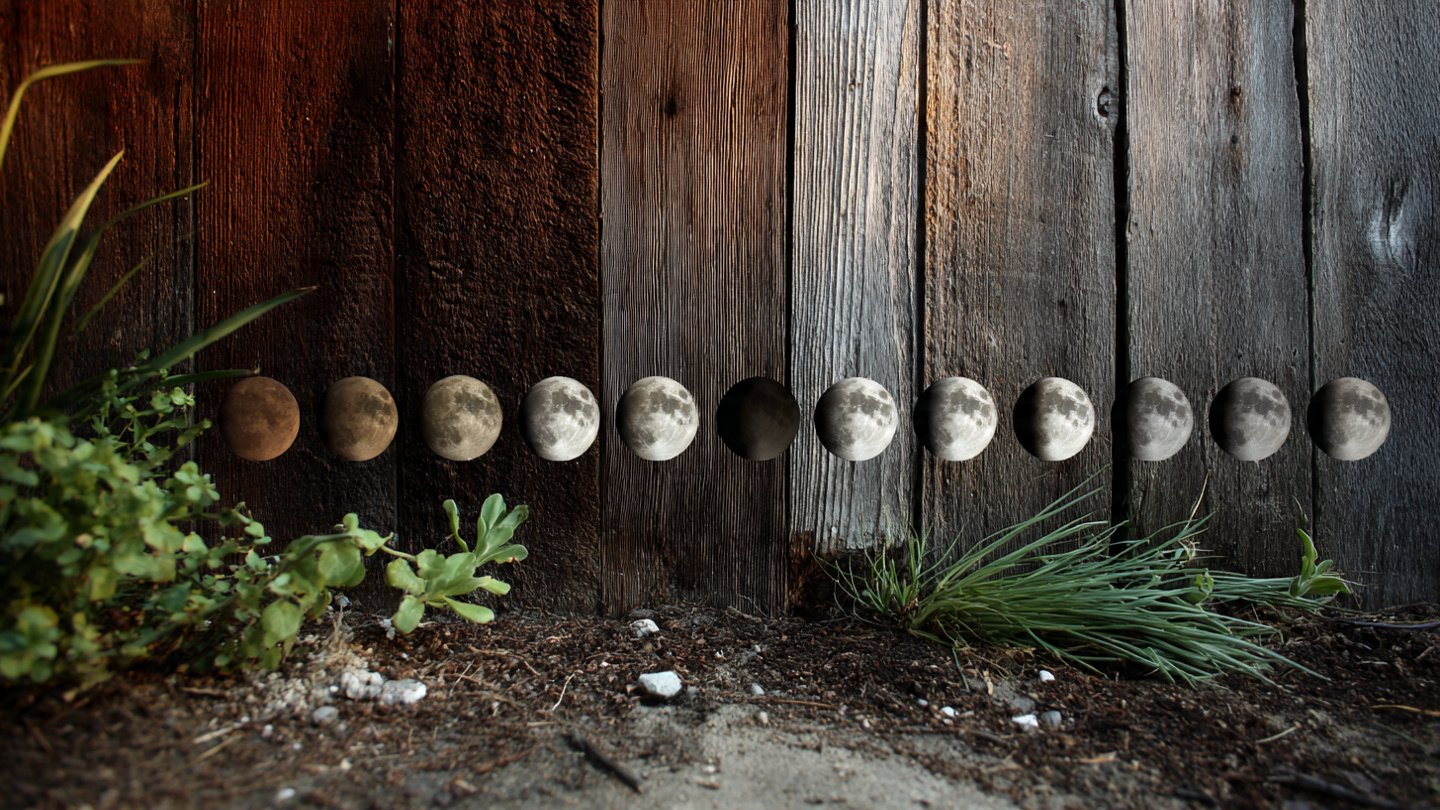
Before we explore the impact of a moon phase planting calendar, it’s essential to grasp what moon phases are. The moon goes through eight distinct phases in a lunar cycle, lasting approximately 29.5 days. These phases include the New Moon, Waxing Crescent, First Quarter, Waxing Gibbous, Full Moon, Waning Gibbous, Last Quarter, and Waning Crescent. Each phase represents unique gravitational influences and can affect the way plants grow.
- New Moon: Represents new beginnings and is an excellent time for planting.
- Waxing Crescent: Ideal for planting leafy greens and crops that grow above ground.
- First Quarter: Favorable for planting root crops like carrots and potatoes.
- Waxing Gibbous: Focuses energy on nurturing plants, making it suitable for transplanting.
- Full Moon: A potent phase, ideal for harvesting and feeding plants.
- Waning Gibbous: Good for weeding and pest control, as energy begins to decrease.
- Last Quarter: A suitable time for clearing the garden and preparing for future planting.
- Waning Crescent: Represents rest and reflection; it’s good for bed preparation and soil enrichment.
The Science Behind Moon Gardening
The idea that lunar phases can influence plant growth isn’t just folklore; there is a blend of science and traditional wisdom that supports this practice. Here are some scientific explanations for why lunar phases might impact gardening:
Gravitational Pull
The moon’s gravity affects water levels, not just in oceans but in the soil as well. This gravitational pull can lead to moisture rising and falling in the soil, thus influencing seed germination and plant growth. The concept of “bio-dynamics” suggests that planting during the right phase can enhance moisture retention, promoting healthier plant development.
Light Exposure
During different moon phases, the amount of moonlight increases and decreases. Some studies suggest that the increased light from a full moon can stimulate plant growth, enhancing photosynthesis. In dark moon phases, plants may focus energy on root development and growth rather than leaf expansion.
Energy Cycles
Plants respond to the natural cycles affecting them, such as the lunar rhythm. This connection suggests that during different moon phases, plants have varying energy levels for different types of growth (leafy vs. rooty), reflecting the overarching concept of aligning with nature.
Transformative Effects on Your Garden
Enhanced Plant Growth
One of the most noticeable benefits of using a moon phase planting calendar is enhanced growth. Timing your plantings with these natural cycles can result in more vigorous growth, higher yields, and improved plant health. When plants are nurtured in harmony with lunar rhythms, they thrive better due to natural moisture levels and energy alignments.
Improved Harvest Quality
Harvesting during the right moon phase can lead to higher quality produce. For example, leafy greens picked during the waxing moon tend to have a better taste and nutritional profile compared to those harvested during waning periods. A moon phase planting calendar can help gardeners optimize their harvests, ensuring that fruits and vegetables are at their peak flavor and nutrient density.
Pest Control and Disease Management
Timing isn’t just important for planting and harvesting; it also plays a crucial role in pest control. Certain moon phases can help deter pests or prevent diseases. For instance, while the moon wanes, the energy in plants decreases, making them less appealing to some pests. Integrating this knowledge into gardening practices leads to healthier plants, reduced reliance on chemical pesticides, and a more sustainable approach.
Natural Soil Management
While working with the lunar calendar, gardeners often turn their focus to soil management and rejuvenation. The waning phases are ideal for tilling and preparing the soil. During the new moon, when the energy is just beginning to rise, it’s an optimal time to plant seeds and start new projects in the garden. This mindfulness directs attention towards nurturing the soil’s health, fostering an ecosystem that sustains future generations of plants.
Practical Application of a Moon Phase Planting Calendar
Research and Planning
To integrate moon phase gardening into your routine, the first step is conducting thorough research. Gather resources, such as a planting calendar that aligns with your local climate and the plants you wish to grow. Many gardening organizations and websites provide free lunar calendars with planting recommendations based on local conditions.
Keeping Records
When embarking on this lunar gardening journey, keep detailed records of your planting, harvesting, and overall garden performance relative to the lunar phases. This can include plant growth rates, yield sizes, and even the number of pest incidents. Analyzing this data helps you refine your approach over time and make adjustments based on your specific garden’s responses to lunar influence.
Aligning with Other Natural Cycles
In addition to lunar phases, consider how your planting aligns with seasonal changes and local weather patterns. For example, if a full moon coincides with the first frost of the season, it may not be feasible to plant your crops as recommended. Thus, always use your planting calendar as a guide while remaining flexible and observant of other influencing factors.
Engaging the Community
Moon phase gardening can be a social activity that fosters community engagement. Consider starting a local gardening group where members can share their experiences, successes, and challenges with lunar planting practices. Engaging with others can amplify the benefits, leading to collective learning and improved gardening results.
Conclusion
Integrating a moon phase planting calendar into your gardening practice offers a unique and holistic approach to plant growth. By tuning in to nature’s rhythms, gardeners can unlock profound insights into enhancing plant yields, improving harvest quality, and fostering a healthier garden ecosystem. While the science behind lunar gardening is still evolving, many growers attest to the transformational effects that aligning with moon phases has on their gardening success.
Embracing this ancient wisdom may require a shift in perspective, but the rewards—vibrant, healthy plants, and bountiful harvests—are undeniably worthwhile. As you transform your garden with the help of lunar cycles, you may also discover a deeper connection to nature, cultivating not just plants but a sense of harmony with the rhythms of the earth and sky. Whether you are a seasoned gardener or just starting, the moon phase planting calendar can become an invaluable tool for nurturing and growing your garden sustainably and successfully.