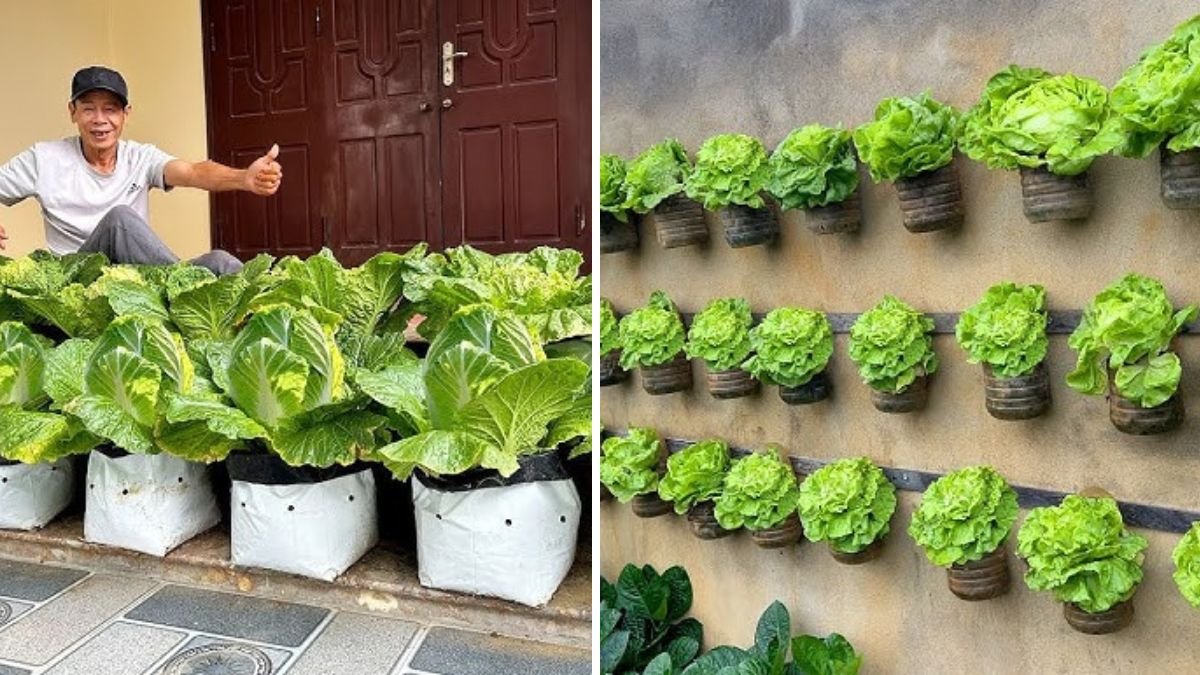
In today’s fast-paced world, fresh, chemical-free vegetables are more important than ever. But what if you don’t have a garden? Many urban dwellers think growing vegetables at home is impossible without a yard—but the brilliant idea of balcony gardening proves otherwise.
From tiny apartments to spacious terraces, you can turn any balcony into a productive, lush vegetable garden. Not only does it provide fresh vegetables, but it also beautifies your space, reduces grocery bills, and offers a relaxing hobby. This article will guide you through how to grow vegetables on your balcony, the best techniques, and tips to maximize yield.
🌿 Why Balcony Gardening Is a Game-Changer
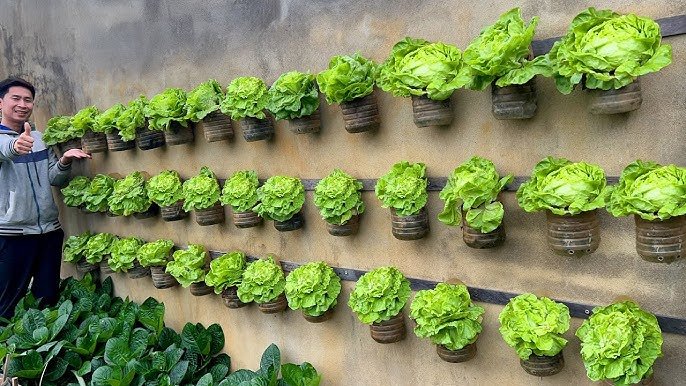
Balcony gardening is no longer just a hobby; it’s a smart, practical solution for urban living:
- Fresh, chemical-free produce: Control what goes into your soil and plants.
- Cost-effective: Reduce monthly grocery bills by growing your own vegetables.
- Space-saving: Use containers, vertical setups, or hanging pots.
- Therapeutic: Gardening reduces stress and promotes mental well-being.
- Eco-friendly: Reuse old containers, compost kitchen waste, and reduce your carbon footprint.
Whether you’re a beginner or an experienced gardener, balcony gardening offers endless possibilities.
🥬 Step 1: Choosing the Right Vegetables
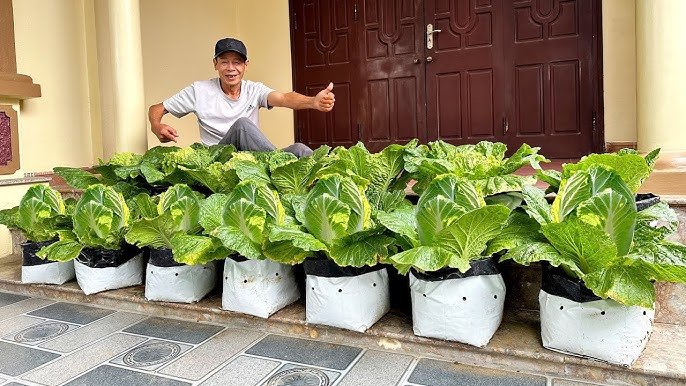
Not all vegetables are suitable for balcony gardening. Select plants based on space, sunlight, and growth habits:
- Leafy greens: Spinach, lettuce, kale, and mustard greens grow quickly in small containers.
- Herbs: Basil, mint, coriander, and rosemary thrive in pots and need minimal care.
- Fruiting vegetables: Tomatoes, bell peppers, and chilies can produce abundant yield in containers.
- Creepers and climbers: Cucumbers, beans, and peas can be trained on trellises to save space.
- Root vegetables: Radish, carrots, and beetroot grow well in deep containers or vertical setups.
Choosing the right vegetables ensures a healthy, productive balcony garden.
🪴 Step 2: Selecting Containers and Pots
Containers are the backbone of balcony gardening:
- Size matters: Deep containers for root vegetables; medium for leafy greens; large for fruiting plants.
- Materials: Plastic, clay, or metal containers work, but ensure good drainage.
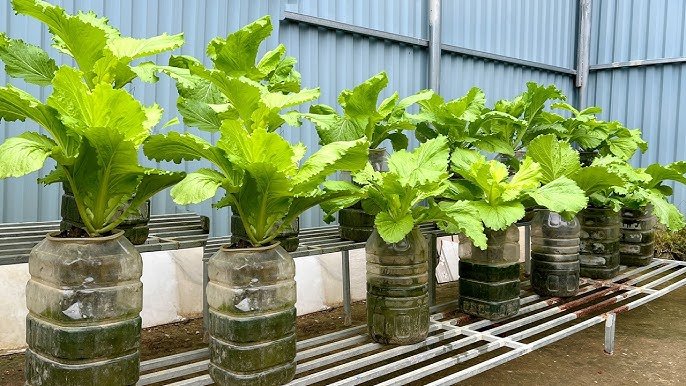
- Repurposing: Old buckets, bottles, crates, and tires can be converted into planting pots.
Pro tip: Drill holes in the bottom of containers to avoid waterlogging and root rot.
🌞 Step 3: Understanding Sunlight Needs
Sunlight is crucial for vegetable growth:
- Most vegetables need 6–8 hours of direct sunlight daily.
- Identify the sunniest spot on your balcony or terrace.
- Use reflective surfaces or mirrors to increase light for shadowed corners.
- For limited sunlight, choose shade-tolerant plants like lettuce, spinach, and coriander.
Proper sunlight ensures strong, healthy plants with high yield.
💧 Step 4: Preparing Soil and Fertilizers
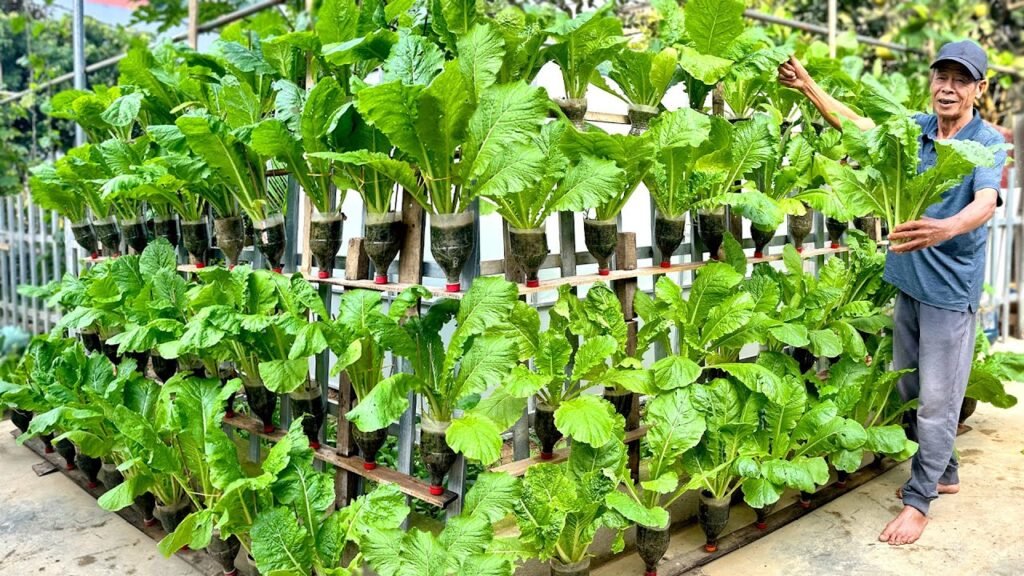
The right soil mix is essential for container gardening:
DIY Soil Mix for Balcony Vegetables:
- 2 parts garden soil
- 1 part compost or well-rotted kitchen waste
- 1 part sand or perlite for drainage
- Fertilize with organic options like compost tea, vermicompost, or liquid fertilizers.
- Avoid chemical-heavy fertilizers to maintain healthy and edible produce.
Good soil and nutrients result in vibrant, nutrient-rich vegetables.
🌿 Step 5: Planting Techniques
Different vegetables require different planting methods:
- Seeds: Leafy greens, carrots, and radishes can be sown directly into containers.
- Seedlings: Tomato, bell peppers, and eggplants should be transplanted for faster growth.
- Vertical planting: Use trellises, strings, or hanging pots for climbers and creepers.
- Layered planting: Plant shorter crops in front and taller crops behind for maximum sunlight utilization.
Planting correctly ensures healthy growth and maximum productivity.
🕒 Step 6: Watering and Maintenance
Balcony plants need consistent care:
- Water deeply but sparingly—keep soil moist but not soggy.
- Check containers daily in hot weather.
- Mulch with straw or dry leaves to reduce water evaporation.
- Regularly remove yellow leaves, pests, and weeds.
Balanced watering and care guarantee vigorous, high-yield plants.
🐞 Step 7: Pest and Disease Control
Even small-scale gardens can face pests:
- Inspect plants weekly for aphids, whiteflies, and caterpillars.
- Use natural remedies like neem oil, garlic spray, or soap water.
- Avoid overcrowding to reduce fungal growth.
- Maintain cleanliness—remove dead leaves and fallen fruits promptly.
Healthy plants produce larger, tastier, and safer vegetables.
🌟 Step 8: Harvesting Your Balcony Vegetables
Harvesting encourages continuous growth:
- Leafy greens: Pick outer leaves first; inner leaves continue growing.
- Fruiting vegetables: Harvest tomatoes, peppers, and beans when ripe.
- Root vegetables: Pull carrots, radishes, and beets once they reach the right size.
Regular harvesting ensures long-term productivity and fresh produce daily.
🪴 Step 9: Advanced Balcony Gardening Techniques
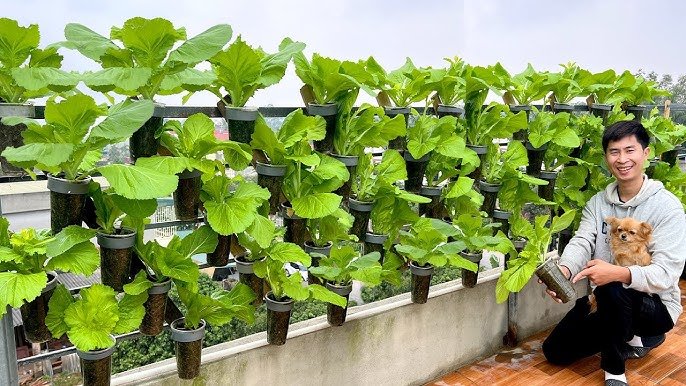
- Vertical gardening: Use walls, trellises, or hanging pots to maximize space.
- Hydroponics: Grow vegetables in water with nutrient solutions for faster growth.
- Companion planting: Grow complementary plants together, like tomatoes with basil, to repel pests naturally.
- Succession planting: Sow new seeds every 2–3 weeks for a continuous harvest.
These techniques make your balcony garden highly productive and space-efficient.
🏡 Benefits of Balcony Gardening
- Fresh vegetables at your doorstep – pick anytime for maximum nutrition.
- Saves money – reduce grocery bills while producing high-yield crops.
- Space-efficient – no garden? No problem. Even small balconies can yield plenty.
- Therapeutic and fun – gardening reduces stress and connects you with nature.
- Eco-friendly – recycle containers, reduce carbon footprint, and compost kitchen waste.
Balcony gardening is not just a hobby—it’s a lifestyle choice that improves health, saves money, and beautifies your home.
🍀 Step 10: Conclusion – Don’t Miss Out on Balcony Gardening
Growing vegetables on your balcony is a brilliant and practical solution for urban living. With a little planning, creativity, and care, even limited spaces can produce lush, nutritious, and delicious vegetables.
From choosing the right containers and soil to planting seeds, providing sunlight, watering, and harvesting, balcony gardening is easy, rewarding, and fun.
Don’t wait! Turn your balcony into a productive, green oasis. Once you experience the joy of homegrown vegetables, you’ll wonder why you didn’t start sooner.
Fresh, chemical-free, and high-yielding vegetables are just a few steps away—your balcony can now become a mini farm that feeds your family and delights your senses.