Introduction to Growing Quince from Fruit
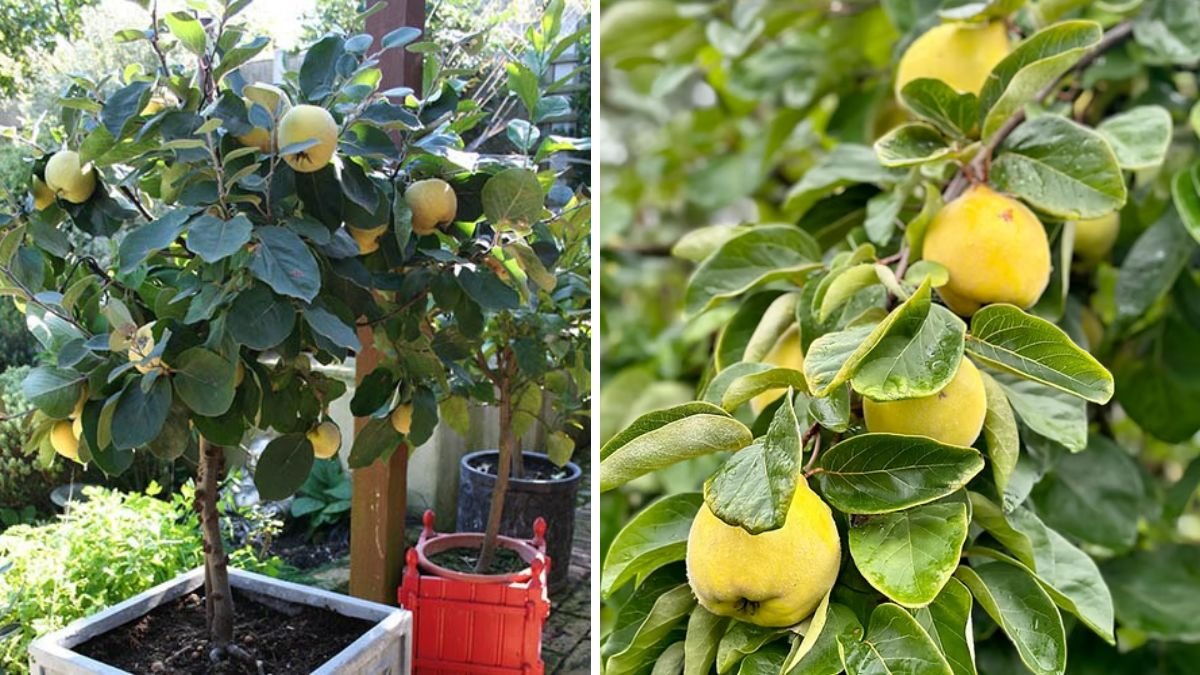
Quince is an ancient fruit tree known for its fragrance and health benefits. Growing quince from a fallen fruit is a natural and cost-effective method. Many gardeners are surprised to find seedlings sprouting from discarded quince fruits. This method allows nature to guide the germination process. Growing from fruit is ideal for home gardeners and beginners. It connects gardening with sustainability and recycling. With patience, quince trees can grow strong and productive. This article explains each step clearly and creatively.
Understanding Quince Fruit and Seeds
Quince fruits contain multiple seeds embedded in the core. These seeds remain viable even after the fruit falls. When fruit decomposes on soil, seeds receive natural moisture. This triggers germination under suitable conditions. Quince seeds need cold exposure to break dormancy. Fallen fruit naturally provides this process. Understanding seed behavior improves success. Healthy seeds lead to strong seedlings.
Identifying a Fallen Quince Ready for Seedlings
A fully ripe fallen quince is ideal for this method. Overripe fruits soften and release seeds easily. Look for fruit showing natural decay but no mold. Fruit resting on soil allows seed contact with earth. Moist environments increase sprouting chances. Avoid fruit treated with chemicals. Natural fruit produces healthier seedlings. Observation is key in this step.
Finding Natural Quince Seedlings
After a few weeks, small green sprouts may appear near the fallen fruit. These are young quince seedlings. They often emerge during spring after winter chill. Moist soil encourages growth. Carefully check around the fruit remains. Seedlings may be delicate and small. Identifying them early prevents damage. These naturally grown seedlings are strong.
Carefully Removing Seedlings
Use your fingers or a small tool to lift seedlings gently. Avoid pulling forcefully to protect roots. Moist soil helps easy removal. Handle seedlings by leaves, not stems. Roots should remain intact. Transplant immediately after removal. Gentle handling ensures survival. Proper technique reduces transplant shock.
Preparing Soil for Transplanting
Quince prefers fertile, well-drained soil. Mix garden soil with compost and sand. Slightly acidic soil works best. Remove stones and debris. Loose soil allows roots to spread easily. Organic matter improves moisture retention. Soil preparation is crucial. Healthy soil supports early growth.
Transplanting Quince Seedlings
Dig small holes for each seedling. Place roots gently and cover with soil. Press lightly to remove air gaps. Water thoroughly after planting. Avoid deep planting. Space seedlings properly for airflow. Shade seedlings for a few days. Proper transplanting boosts survival.
Watering Requirements for Young Plants
Seedlings need consistent moisture. Soil should stay damp but not soggy. Overwatering causes root rot. Underwatering slows growth. Water early morning or evening. Mulching helps retain moisture. Observe plant response regularly. Balanced watering is essential.
Sunlight Needs for Quince Seedlings
Young quince plants prefer partial sunlight initially. Gradually introduce full sunlight. Morning sun is ideal. Harsh afternoon sun may stress seedlings. Proper light strengthens stems. Sun exposure improves leaf color. Gradual adjustment prevents shock. Healthy light ensures growth.
Fertilizing Young Quince Plants
Apply diluted organic compost after establishment. Avoid chemical fertilizers early. Compost tea works well. Fertilize every few weeks lightly. Overfeeding damages roots. Natural nutrients encourage steady growth. Healthy feeding builds strong plants. Balanced nutrition is key.
Growth Pattern in the First Year
Quince seedlings grow slowly initially. Roots develop before shoots expand. Leaves become thicker with time. Patience is important. Growth accelerates in warm seasons. Regular care improves size. Avoid unnecessary disturbance. First-year growth sets foundation.
Pruning Young Quince Plants
Minimal pruning is needed initially. Remove weak or damaged shoots. Focus on a central leader. Pruning improves structure. Avoid heavy pruning early. Healthy shape supports future fruiting. Gentle pruning strengthens plants. Timing matters.
Pest and Disease Prevention
Quince seedlings are generally hardy. Aphids and fungal issues may appear. Neem oil is effective organically. Avoid overhead watering. Good airflow reduces disease. Remove affected leaves promptly. Healthy plants resist pests. Prevention is easier than cure.
Transplanting to Permanent Location
After one year, seedlings can be moved. Choose a sunny, open location. Prepare soil well. Transplant during cooler seasons. Water deeply after planting. Mulch around the base. Permanent planting allows full growth. Proper timing ensures success.
Flowering and Fruiting Expectations
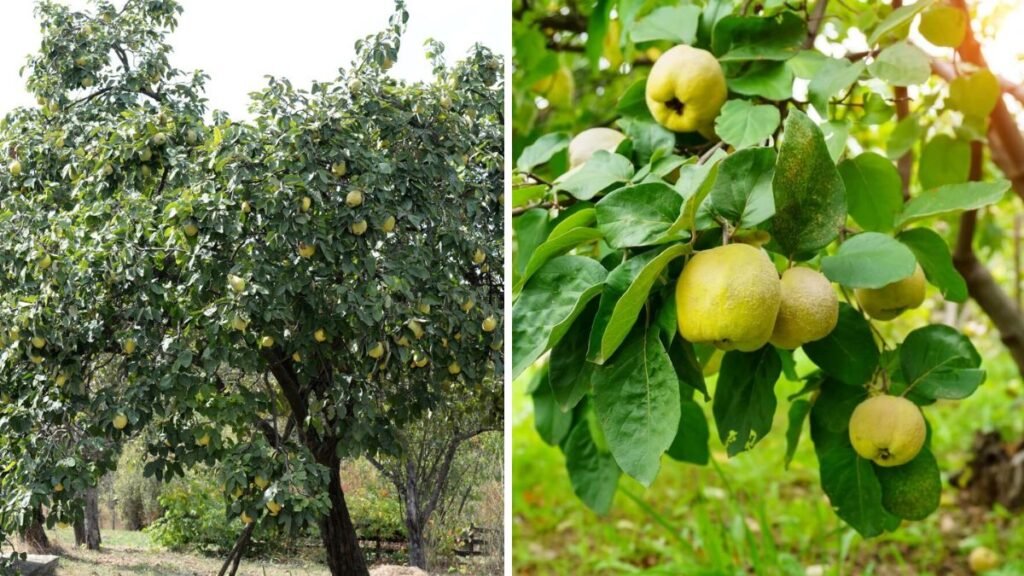
Seed-grown quince takes three to five years to fruit. Flowers appear in spring. Pollinators help fruit set. Fruits may vary slightly from parent. Patience is rewarded. Healthy trees fruit better. Natural growth enhances resilience. Expect gradual progress.
Seasonal Care for Quince Trees
Provide extra water in summer. Mulch during dry periods. Protect young trees from frost. Reduce watering in winter. Seasonal adjustments prevent stress. Observe plant signals. Timely care improves longevity. Seasonal awareness is important.
Growing Quince in Home Gardens
Quince trees suit home gardens well. They remain medium-sized. Fragrant flowers add beauty. Fruits are useful for cooking. Trees enhance biodiversity. Homegrown quince is chemical-free. Gardening brings satisfaction. Quince is a rewarding choice.
Table: Growing Quince from Fallen Fruit
| Aspect | Requirement |
|---|---|
| Seed source | Fallen ripe quince |
| Germination | Natural outdoor conditions |
| Soil type | Fertile and well-drained |
| Sunlight | Partial to full sun |
| Fruiting time | Three to five years |
Benefits of Growing Quince Naturally
Natural propagation costs nothing. Seedlings adapt well locally. Strong root systems develop. Gardening becomes eco-friendly. Trees live longer. Fruits are healthy and aromatic. Natural methods build patience. Sustainability is promoted.
Conclusion
Growing quince from a fallen fruit is simple and natural. By observing seedlings and transplanting carefully, gardeners can grow strong trees. Proper soil, water, and sunlight ensure success. Though fruiting takes time, the journey is rewarding. This method connects gardeners with nature. Anyone can try it at home. Start growing quince naturally today.