Introduction: Why Lettuce Loves This Growing Method
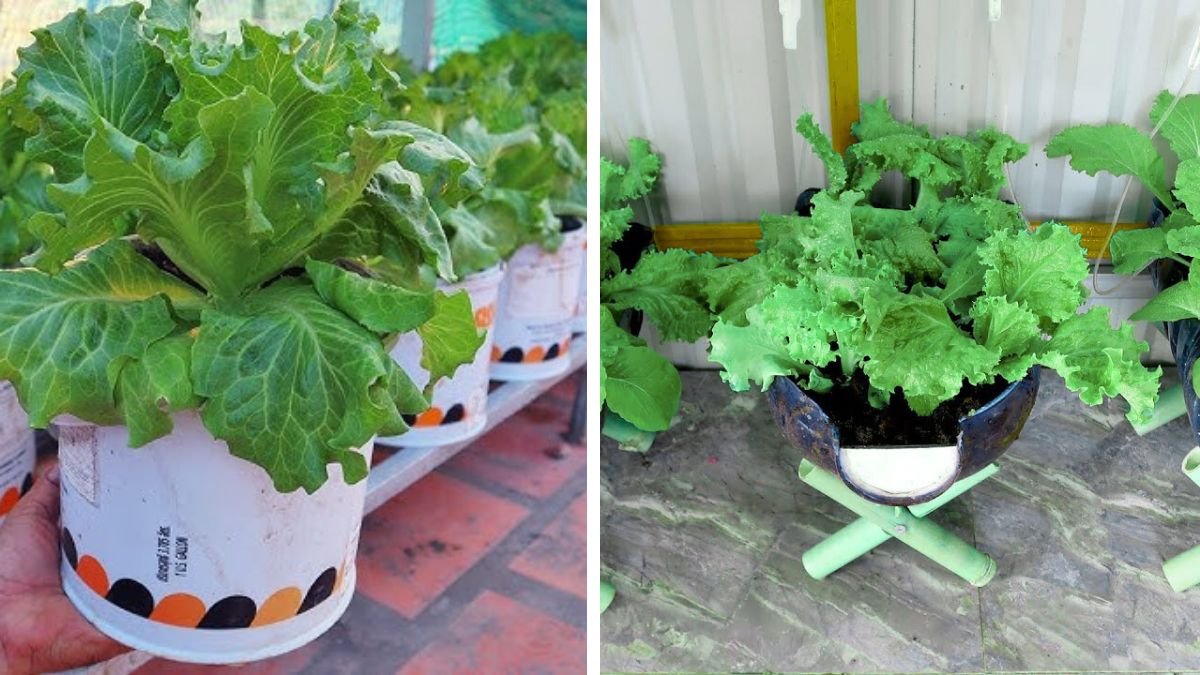
Lettuce is one of the fastest-growing vegetables when grown using space-saving methods. This technique allows lettuce to grow quickly without occupying large garden areas. It is perfect for balconies, rooftops, and indoor spaces. Lettuce has shallow roots, making it ideal for water-based systems. Growth is faster due to direct nutrient absorption. Harvest time is significantly reduced. This method also ensures cleaner and healthier leaves. Many urban gardeners prefer this approach for year-round lettuce production.
Understanding Lettuce Growth Requirements
Lettuce needs consistent moisture, moderate sunlight, and proper nutrients. It does not tolerate extreme heat well. Shallow root systems make soil unnecessary. Nutrients delivered through water improve growth speed. Stable temperature ensures leaf quality. Light but frequent feeding benefits lettuce. Overcrowding must be avoided. Understanding these basics ensures success.
Why This Method Saves Space
This method uses vertical or compact containers. No wide soil beds are required. Multiple lettuce plants grow in small areas. Containers can be stacked or hung. Root space requirements are minimal. Urban spaces become productive. Even window sills can support lettuce growth. Space efficiency is a major advantage.
Materials Needed to Grow Lettuce This Way
You need a shallow container or tray. Clean gravel or net cups are required. Lettuce seedlings or seeds work well. A nutrient solution supports fast growth. Clean water is essential. A light source or sunlight is necessary. Optional air pumps improve oxygenation. These materials are affordable and reusable.
Step-by-Step Lettuce Growing Process
Start by placing washed gravel into the container. Insert lettuce seedlings carefully. Add nutrient-mixed water to touch roots. Place the setup in indirect sunlight. Maintain water level consistently. Change water every week. Monitor leaf color and size. Harvest within three to four weeks.
Best Lettuce Varieties for This Method
Loose-leaf lettuce grows fastest. Romaine adapts well to water systems. Butterhead lettuce performs excellently. Iceberg lettuce is less suitable. Baby leaf varieties give quick harvests. Choose heat-tolerant varieties for warm climates. Compact varieties maximize space usage. Correct variety selection improves yield.
Nutrient Feeding Schedule
Lettuce requires mild nutrient strength. Overfeeding leads to bitter leaves. Nutrients should be diluted properly. Feed once every seven days. Flush system with clean water occasionally. Monitor plant response closely. Balanced nutrition ensures tender leaves. Proper feeding enhances taste and texture.
Water and Light Management
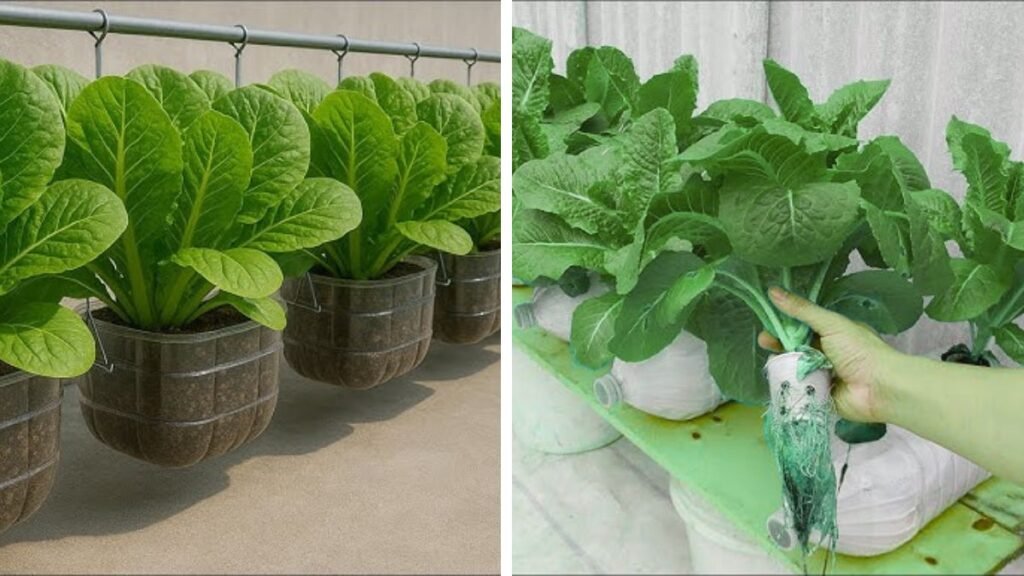
Water should remain cool and clean. Avoid stagnant water conditions. Light should be bright but indirect. Direct harsh sunlight causes leaf burn. Indoor growers can use grow lights. Maintain 10 to 12 hours of light. Good light improves leaf color. Balanced conditions ensure healthy growth.
Advantages of Growing Lettuce This Way
Growth is faster than soil methods. Leaves are clean and pesticide-free. Space usage is minimal. Water efficiency is high. Harvesting is easy and frequent. No weeding is required. Maintenance is low effort. Fresh lettuce is always available.
Table: Lettuce Growing Comparison
| Factor | Soil Method | Water-Based Method |
|---|---|---|
| Space needed | High | Very low |
| Growth speed | Medium | Fast |
| Water use | High | Efficient |
| Maintenance | High | Low |
| Cleanliness | Soil stains | Very clean |
Common Problems and Solutions
Yellow leaves indicate nutrient issues. Bitter taste results from heat stress. Slow growth means low nutrients. Wilting shows water imbalance. Algae growth needs light reduction. Root rot requires better oxygenation. Address issues early. Healthy lettuce grows effortlessly.
Harvesting Techniques for Continuous Yield
Harvest outer leaves first. Leave center intact for regrowth. Cut with clean scissors. Harvest every few days. This extends plant lifespan. Continuous harvesting increases yield. Fresh leaves are always available. This method supports multiple harvests.
Reusing Containers and Materials
After harvest, clean containers thoroughly. Gravel can be reused after washing. Nutrient water can be refreshed. Seed new plants immediately. This reduces costs. Sustainable gardening becomes easy. Waste is minimized. Reuse improves efficiency.
Is This Method Suitable for Indoor Growing?
Yes, it is perfect for indoor gardening. Lettuce grows well under grow lights. Temperature control is easier indoors. Pests are minimal. Year-round production is possible. Even small apartments can grow food. Indoor setups ensure consistent quality. This method suits modern lifestyles.
Health Benefits of Homegrown Lettuce
Fresh lettuce contains more nutrients. No chemical residues are present. Leaves are crisp and flavorful. Harvesting just before eating preserves vitamins. Homegrown lettuce supports healthy diets. It encourages fresh food habits. Nutritional value is higher. Taste is superior.
Cost Efficiency of This Growing Method
Initial setup cost is low. Materials are reusable. Water usage is minimal. No soil replacement is needed. Fertilizer cost is controlled. Over time, savings increase. Homegrown lettuce reduces grocery bills. It is economically beneficial.
Scaling Lettuce Production at Home
Multiple containers can be used. Vertical racks increase capacity. Timed planting ensures continuous supply. Simple automation improves efficiency. Small systems can feed families. Larger setups suit microgreens business. Scaling is easy and flexible. Productivity increases rapidly.
Final Conclusion
Growing lettuce this way is fast, clean, and efficient. It suits small spaces perfectly. Growth speed is impressive. Maintenance is minimal. Beginners achieve success easily. Fresh lettuce becomes readily available. This method supports sustainable living. It is an ideal solution for urban gardeners.