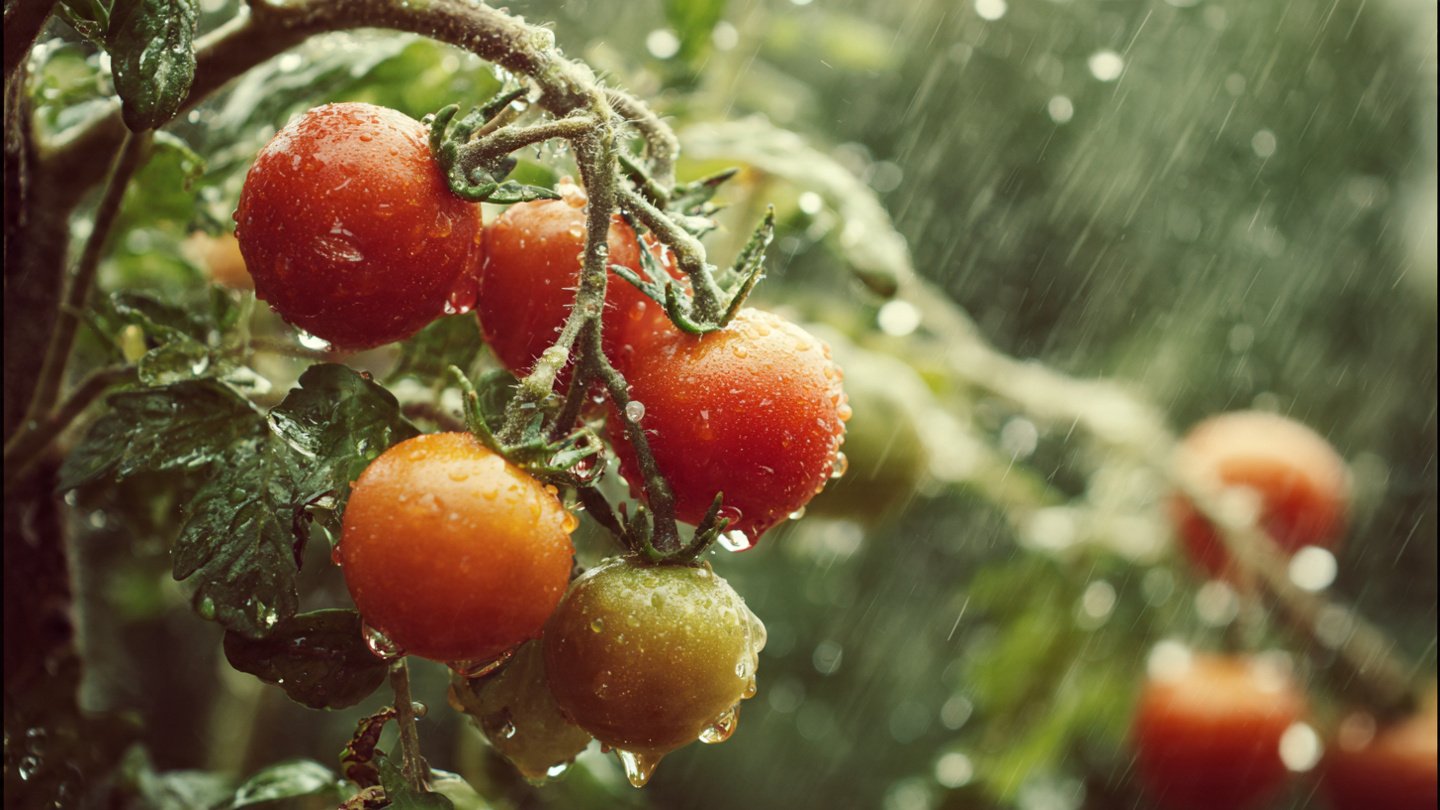
Nothing beats the flavor of a homegrown tomato. Whether for salads, sauces, or just a snack, cultivating your own tomatoes can be a rewarding experience. Growing tomatoes from seed is a budget-friendly way to start your garden. This guide will walk you through the process step-by-step, ensuring you can grow healthy tomato plants without ever setting foot in a nursery.
Why Grow Tomatoes From Seeds?
- Cost-Effective: Buying seeds is generally cheaper than purchasing established plants.
- Variety: Seed catalogs and online retailers offer a far more extensive range of tomato varieties than most nurseries.
- Control: Starting from seeds gives you full control over where and how your plants grow.
- Satisfaction: Watching your tomatoes go from seed to fruit is incredibly gratifying.
Understanding Tomato Varieties
Before diving in, it’s vital to know that tomatoes come in two primary categories: determinate and indeterminate.
- Determinate Tomatoes: These plants grow to a certain height and then stop, producing all their fruit around the same time. Good for canning.
- Indeterminate Tomatoes: These continue to grow and produce fruit throughout the growing season, offering a steady harvest.
Choose the variety that best meets your needs and growing conditions. Some popular varieties include:
- Roma: Ideal for sauces and pastes.
- Cherry: Perfect for snacking.
- Beefsteak: Great for sandwiches.
Starting Seeds Indoors
Step 1: Gather Your Supplies
To get started, you will need:
- Seeds: Choose your varieties.
- Seed Starting Mix: This is specially formulated potting soil that encourages seed growth.
- Containers: Seeds can be started in seed trays, peat pots, or even recycled containers (like egg cartons).
- Labels: To keep track of your varieties.
- Water: Use a spray bottle or watering can.
- Grow Lights or Sunny Window: Tomatoes need plenty of light to thrive.
Step 2: Planting Seeds
- Fill Containers: Fill your chosen containers with seed starting mix, leaving about half an inch from the top.
- Moisten the Soil: Water the mix thoroughly before planting. It should be damp but not soggy.
- Sow Seeds: Plant your seeds according to package instructions, generally about 1/4 inch deep. If you’re planting multiple varieties, label each container.
- Cover and Water: Lightly cover the seeds with soil and mist with water.
Step 3: Provide Warmth and Light
Tomato seeds thrive in warm conditions, ideally between 70-85°F (21-29°C). You can place them on a heating mat or in a warm area of your home.
Once seedlings emerge (usually within 5-10 days), ensure they receive 12-16 hours of light per day. If natural light is insufficient, consider using grow lights.
Step 4: Thinning Seedlings
When seedlings have two sets of true leaves, thin them to ensure stronger growth. Generally, leave the strongest seedling in each container and snip the others at the base.
Step 5: Transplanting Seedlings
When seedlings have grown to about 2-3 inches tall and have several sets of leaves, it’s time to transplant them into larger containers.
- Choose New Pots: Use pots that are at least 4 inches in diameter.
- Fill with Potting Mix: Use a high-quality potting soil, filling the pots about 2/3 full.
- Transplant Carefully: Carefully remove seedlings from their original containers, trying to disturb the roots as little as possible. Place them in the new pots and fill with soil, burying them up to their seed leaves.
- Water Gently: After transplanting, water them well.
Hardening Off Your Tomato Plants
Before moving your seedlings outdoors, they must acclimate to their new environment. This process is known as hardening off.
- Days 1-3: Place the seedlings in a sheltered outdoor location for a few hours, gradually increasing exposure to sunlight and wind.
- Days 4-7: Continue to increase their time outdoors, monitoring for signs of stress.
- Final Preparations: After about a week of hardening, your plants should be ready for their outdoor home.
Planting Tomatoes Outdoors
Step 1: Choosing the Right Location
Tomatoes need 6-8 hours of sunlight daily. Choose a location with good drainage and protect them from strong winds.
Step 2: Preparing the Soil
- Soil Quality: Tomatoes thrive in rich, well-draining soil. Amend your garden bed with compost or well-rotted manure.
- Soil pH: Aim for a pH level between 6.0 and 6.8 for optimal growth.
Step 3: Planting
- Space Plants: If planting multiple tomato plants, space them about 18-24 inches apart.
- Hole Size: Dig a hole deep enough to bury the stem up to the first set of leaves. This promotes a stronger root system.
- Plant and Water: Place the seedlings in the holes and water deeply to help them settle into their new environment.
Caring For Your Tomato Plants
Watering
Tomatoes need consistent moisture. Water deeply at the base of the plant to encourage root growth, aiming for a deep watering session every few days, especially during dry spells.
Fertilization
Feed your plants with a balanced fertilizer or a tomato-specific fertilizer every 4-6 weeks. Low-nitrogen fertilizers can help promote fruit production.
Pruning
For indeterminate varieties, regular pruning can help improve airflow and yield. Remove the suckers (small shoots that grow between the main stem and branches) when they are small.
Pest Management
Keep an eye out for common tomato pests, such as aphids and hornworms. Handpicking or introducing beneficial insects can help manage these pests without harsh chemicals.
Harvesting Your Tomatoes
Harvesting typically begins 60-85 days after transplanting, depending on the variety. Look for vibrant color and slight softness for the best flavor. Tomatoes can ripen off the vine, so if you spot a blushing tomato, you can pick it and let it ripen indoors.
FAQs
How long does it take to grow tomatoes from seed?
Generally, it takes about 70-90 days from planting seeds to harvesting ripe tomatoes.
Do tomatoes need support?
Yes, especially indeterminate varieties. Use stakes, cages, or trellises to support the plants as they grow and become heavy with fruit.
Can I grow tomatoes in containers?
Absolutely! Many gardeners successfully grow tomatoes in pots. Ensure your container is at least 5 gallons and offers good drainage.
What should I do if my plants don’t fruit?
Several factors can hinder tomato production, including insufficient sunlight, poor pollination, and imbalanced nutrients. Ensure your plants receive 6-8 hours of sunlight and consider hand-pollinating if necessary.
Can I save seeds from my tomatoes?
Yes! Saving seeds from heirloom varieties can be easy. Allow the fruit to overripen on the vine, scoop out the seeds, and let them ferment in water for a few days before rinsing and drying them.
When is the best time to plant tomatoes outside?
Plant tomatoes outdoors after the last frost date for your area. Check local gardening calendars or consult with a local extension service for precise dates.
What’s the best way to store harvested tomatoes?
Store tomatoes at room temperature, stem-side up, and away from direct sunlight. For long-term storage, consider canning or freezing.
Can I grow tomatoes indoors?
Yes, growing tomatoes indoors is possible with sufficient light. Use grow lights if natural sunlight is insufficient.
What diseases should I watch out for?
Common diseases include blight, blossom end rot, and yellow leaf curl. Monitor your plants for signs and consult resources for management techniques.
Conclusion
Growing your own tomatoes from seeds can be a fulfilling and enjoyable project. From selecting the right varieties to nurturing them in your garden, you can enjoy a bountiful harvest with some patience and dedication. Start your tomato-growing journey today, and relish the taste of homegrown goodness in your dishes!