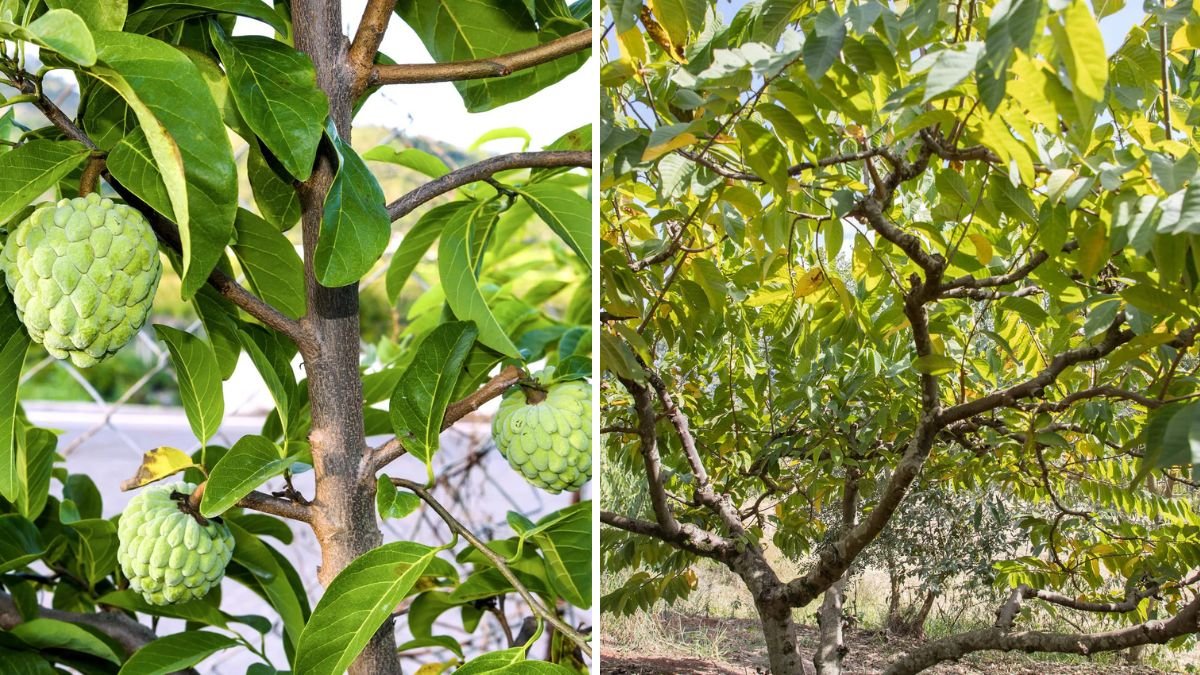
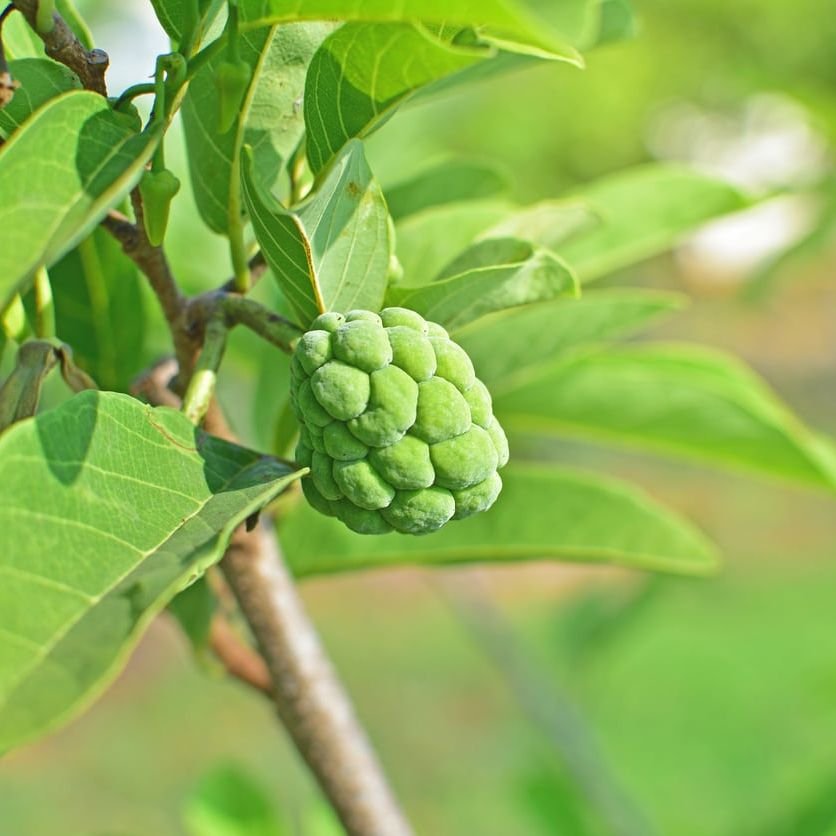
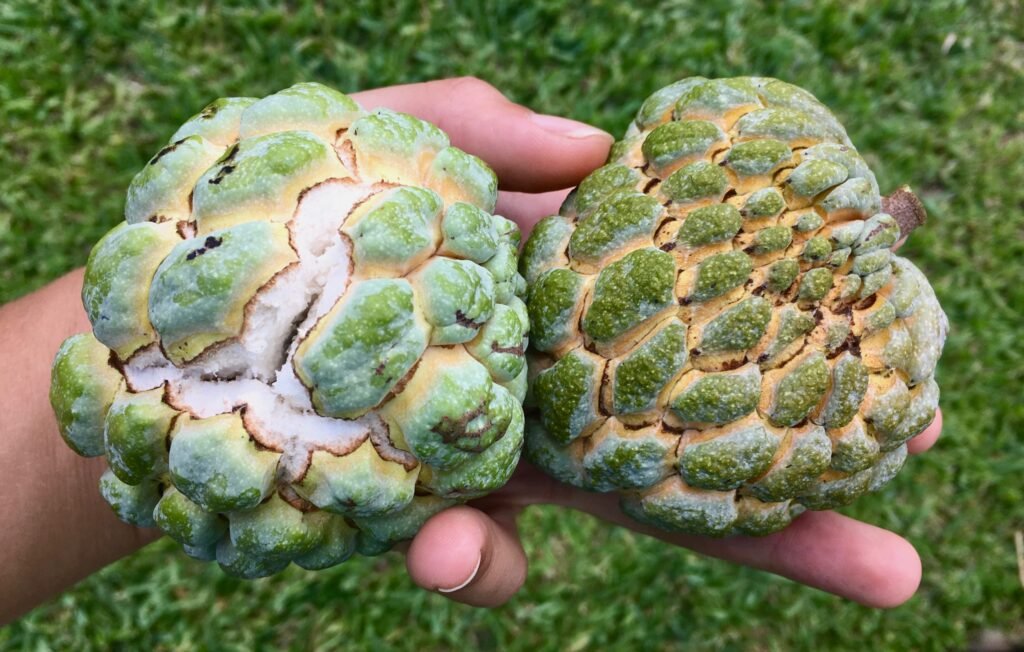
Sweetsop, also known as sugar apple (Annona squamosa), is a tropical fruit tree cherished for its sweet, creamy pulp and nutritional benefits. Known for its heart-shaped, green knobby fruits, the sweetsop tree is a favorite among gardeners and fruit lovers. While enjoying the fruit fresh from the tree is delightful, knowing how to propagate sweetsop trees can help you expand your garden and enjoy a continuous supply of this delicious fruit.
Propagating sweetsop trees can be done through seeds, grafting, or cuttings. Each method has its advantages, and choosing the right one depends on your goals, whether it’s maintaining fruit quality, accelerating fruiting, or producing multiple trees for sale. This guide provides a step-by-step approach to propagating sweetsop trees effectively.
1. Understanding Sweetsop Trees and Their Growth Requirements
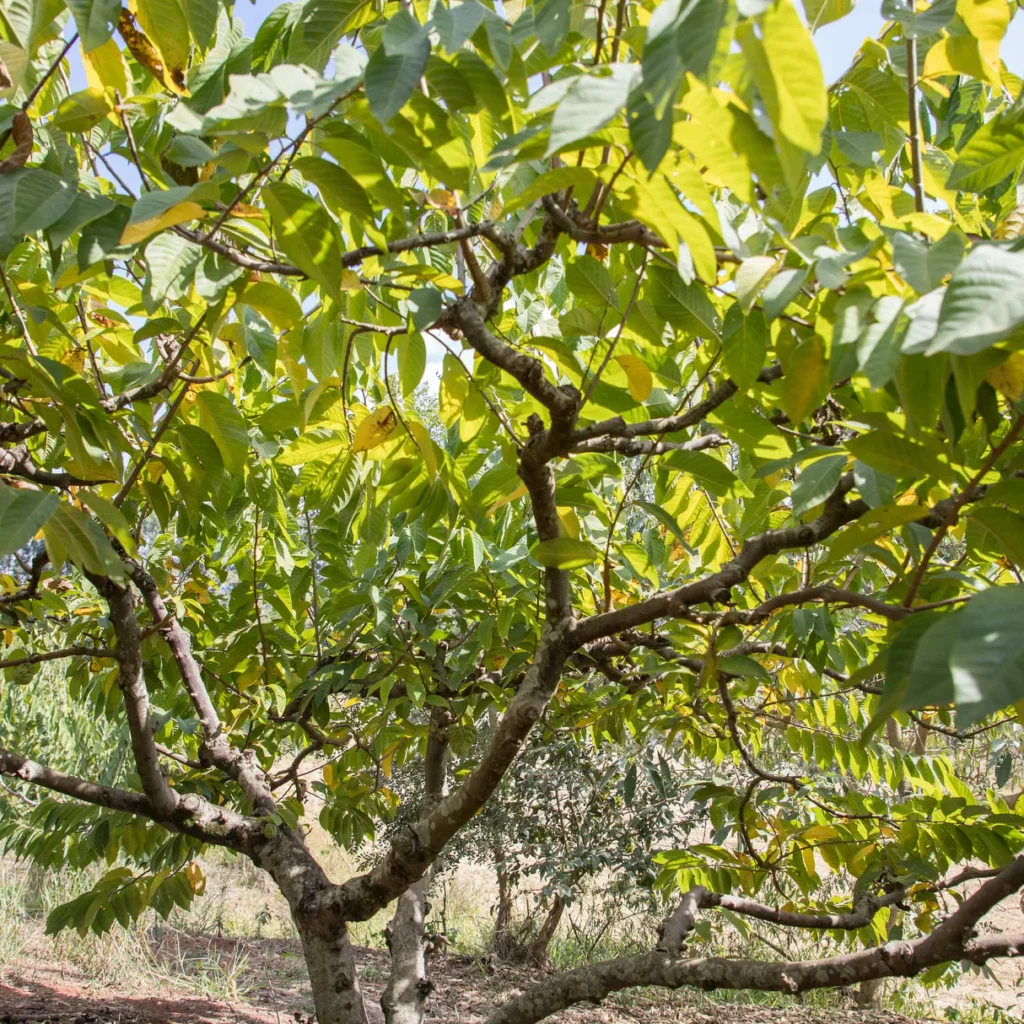
Before starting propagation, it’s essential to understand the tree and the conditions it needs to thrive:
- Climate: Sweetsop trees grow best in tropical and subtropical climates with warm temperatures and moderate rainfall.
- Soil: They prefer well-drained sandy loam soil rich in organic matter. Avoid waterlogged soils, which can lead to root rot.
- Sunlight: Full sun exposure is crucial for healthy growth and fruiting.
- Watering: Regular watering is necessary, especially during the dry season, but overwatering should be avoided.
Knowing these factors will help ensure that your propagated trees grow healthy and produce abundant fruits.
2. Propagating Sweetsop Trees from Seeds
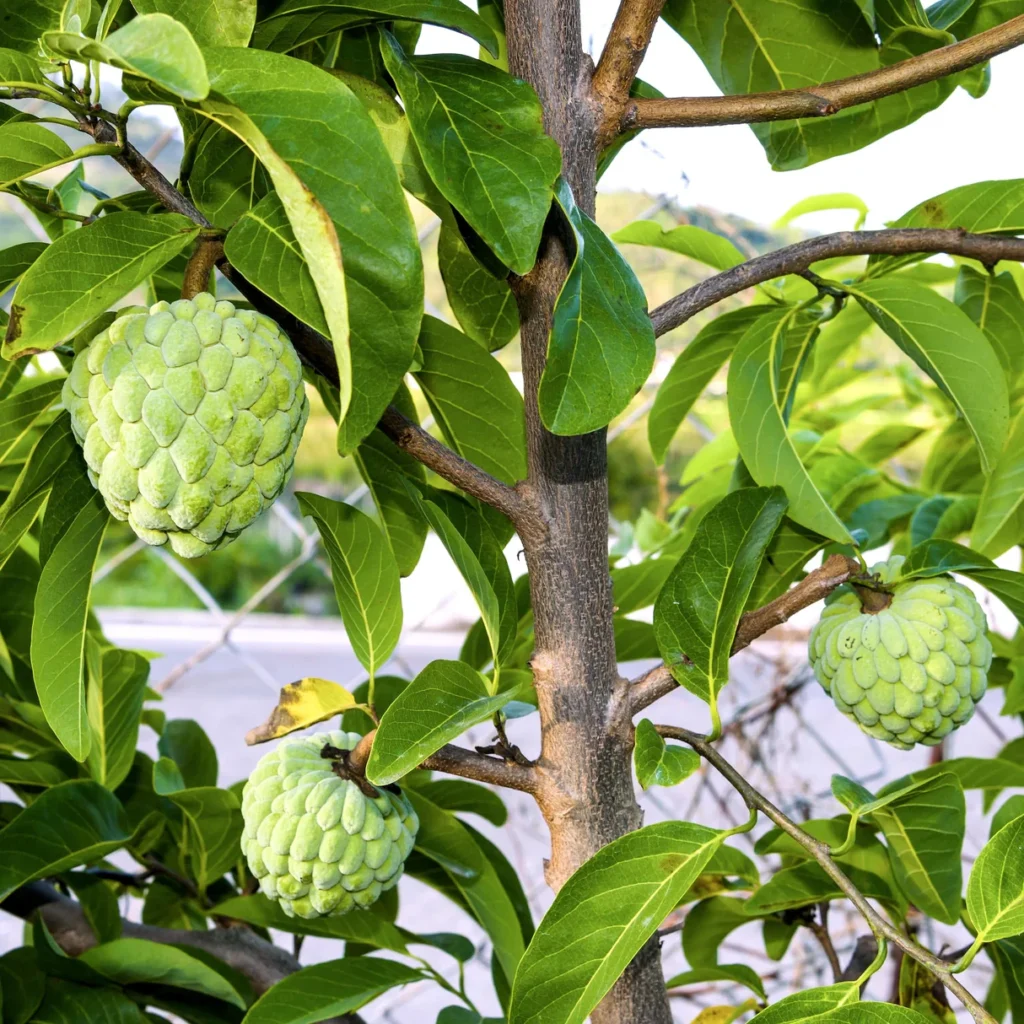
Seed propagation is the simplest and most common method of growing sweetsop trees. Here’s how to do it:
Step 1: Select Ripe Fruits
Choose fully ripe sweetsop fruits from a healthy tree. The seeds inside must be mature and healthy to ensure successful germination.
Step 2: Extract and Clean Seeds
Remove the seeds from the fruit and wash them thoroughly to remove any pulp. Clean seeds are less likely to develop fungal infections during germination.
Step 3: Pre-Germination Treatment
Soak the seeds in water for 24–48 hours before planting. This softens the seed coat and helps improve germination rates.
Step 4: Prepare Seedling Containers
Use small pots or seed trays filled with a mixture of sandy soil and compost. Plant the seeds 1–2 cm deep and cover lightly with soil.
Step 5: Germination and Care
Place the containers in a warm, shaded area and keep the soil consistently moist. Seeds usually germinate within 3–4 weeks. Once seedlings have 2–3 true leaves, they can be transplanted to larger pots or directly into the garden.
Advantages of Seed Propagation:
- Simple and inexpensive.
- Produces a large number of seedlings.
Disadvantages:
- Trees take longer to bear fruit (3–5 years).
- Fruit quality may vary due to genetic differences.
3. Propagating Sweetsop Trees by Grafting
Grafting is an advanced method that allows you to produce trees with consistent fruit quality and faster fruiting.
Step 1: Select Scion and Rootstock
- Scion: A healthy branch from a mature sweetsop tree that produces high-quality fruits.
- Rootstock: A strong, disease-free seedling, typically 6–12 months old.
Step 2: Choose a Grafting Method
Common methods for sweetsop include:
- Cleft Grafting: Suitable for larger rootstocks.
- Veneer Grafting: Works well with medium-sized seedlings.
Step 3: Perform the Graft
Make clean cuts on the scion and rootstock, ensuring the cambium layers align perfectly. Secure the graft with grafting tape or wax.
Step 4: Post-Grafting Care
Place the grafted plant in a shaded area for 2–3 weeks. Keep the soil moist but avoid overwatering. Once the graft shows new growth, gradually expose it to full sunlight.
Advantages of Grafting:
- Faster fruit production (2–3 years).
- Maintains parent tree fruit quality.
- Reduces susceptibility to certain diseases.
Disadvantages:
- Requires some skill and experience.
- Slightly higher cost than seed propagation.
4. Propagating Sweetsop Trees from Cuttings
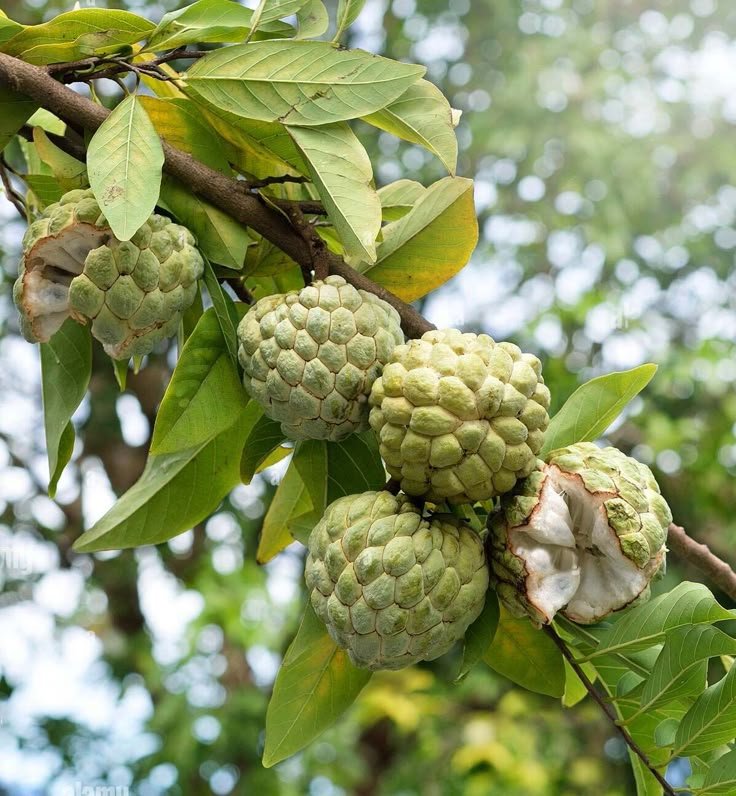
Vegetative propagation through cuttings is another effective method to multiply sweetsop trees while preserving fruit quality.
Step 1: Select Cutting Material
Choose a healthy, semi-hardwood branch from a mature tree. The cutting should be 20–30 cm long and have at least 2–3 nodes.
Step 2: Prepare the Cutting
Remove leaves from the lower half of the cutting and dip the cut end in rooting hormone to promote root development.
Step 3: Plant the Cutting
Insert the cutting into a pot or nursery bed filled with a mixture of sand and compost. Keep the soil moist and cover the cutting with a transparent plastic bag to maintain humidity.
Step 4: Rooting and Care
Roots usually develop within 4–6 weeks. Once the cutting shows new growth, gradually acclimate it to outdoor conditions before transplanting.
Advantages of Cuttings:
- Faster fruiting than seed-grown trees.
- Maintains parent tree fruit quality.
Disadvantages:
- Rooting success can vary depending on cutting quality and environmental conditions.
5. Caring for Young Sweetsop Plants
Proper care is crucial for the successful growth of your propagated sweetsop trees:
- Watering: Keep young plants consistently moist, especially during dry periods.
- Fertilization: Apply organic compost or balanced NPK fertilizers to encourage strong growth.
- Sunlight: Gradually expose seedlings and grafted plants to full sunlight.
- Pest Control: Monitor for common pests such as mealybugs and aphids. Use organic or chemical controls as needed.
- Pruning: Remove weak or damaged branches to encourage strong growth and fruiting.
6. Tips for Maximizing Sweetsop Production
- Choose High-Quality Scions: For grafting, always select scions from trees with excellent fruit quality.
- Maintain Soil Health: Regularly add compost and organic matter to support growth.
- Spacing: Plant trees with adequate spacing (3–5 meters apart) to allow proper growth and air circulation.
- Pollination: Encourage pollinators like bees by planting flowers nearby, as sweetsop flowers benefit from cross-pollination.
7. Conclusion
Propagating sweetsop trees is a rewarding venture for gardeners and farmers alike. Whether you choose seed propagation, grafting, or cuttings, each method has its advantages and can help you achieve your goal of producing high-quality fruits.
Seed propagation is simple and cost-effective but takes longer to produce fruit. Grafting and cuttings, on the other hand, ensure better fruit quality and faster yield. By selecting healthy materials, following proper propagation techniques, and providing attentive care, you can enjoy a bountiful supply of sweet, creamy sweetsop fruits year after year.
With patience and dedication, your garden can become a thriving sweetsop orchard, offering delicious fruits for your family and community. Propagation is not just a technique—it’s the key to turning a single tree into a flourishing source of natural sweetness and health.