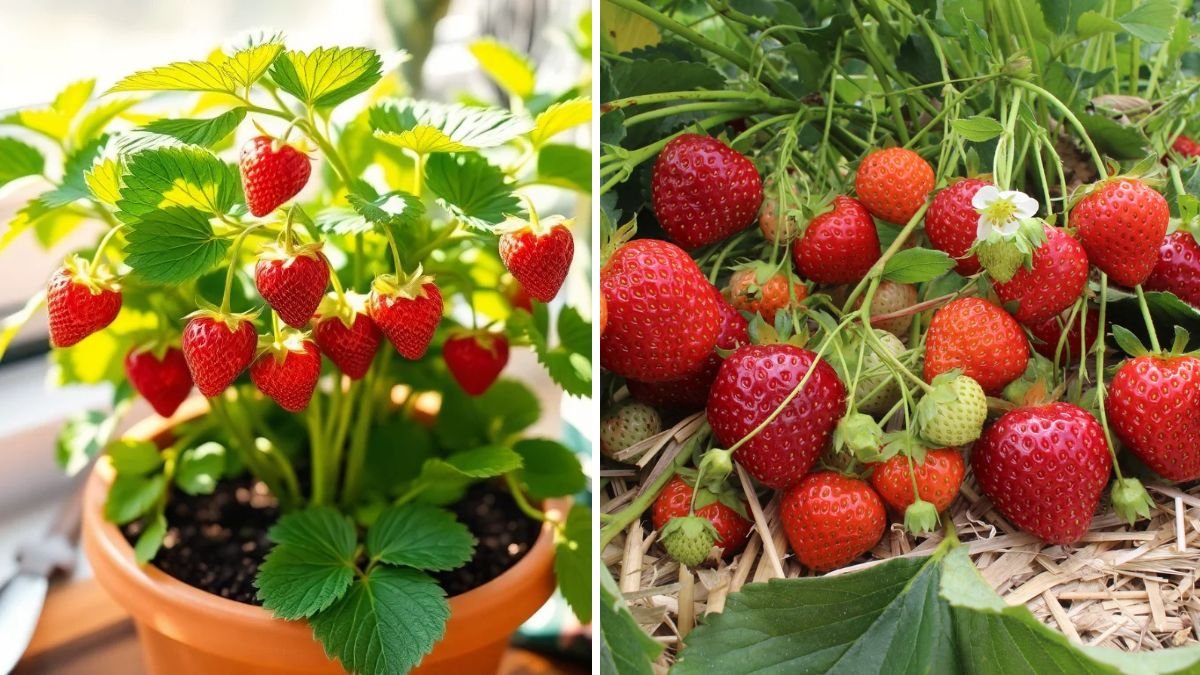
Strawberries are one of the most delicious and beloved fruits, enjoyed worldwide for their sweet, juicy flavor. But buying them from the market can be expensive, and sometimes the fruit lacks freshness or flavor. What if you could grow strawberries at home from the store-bought ones and multiply them into more plants?
Yes! With a simple method, you can turn ordinary market strawberries into a thriving, productive home garden, enjoying fresh, chemical-free berries year-round. This technique is beginner-friendly, cost-effective, and perfect for small spaces like balconies or windowsills.
In this article, we’ll guide you step by step on how to grow strawberries from store-bought fruit, multiply your plants, and get a high-yield harvest.
🌱 Why Grow Strawberries at Home?
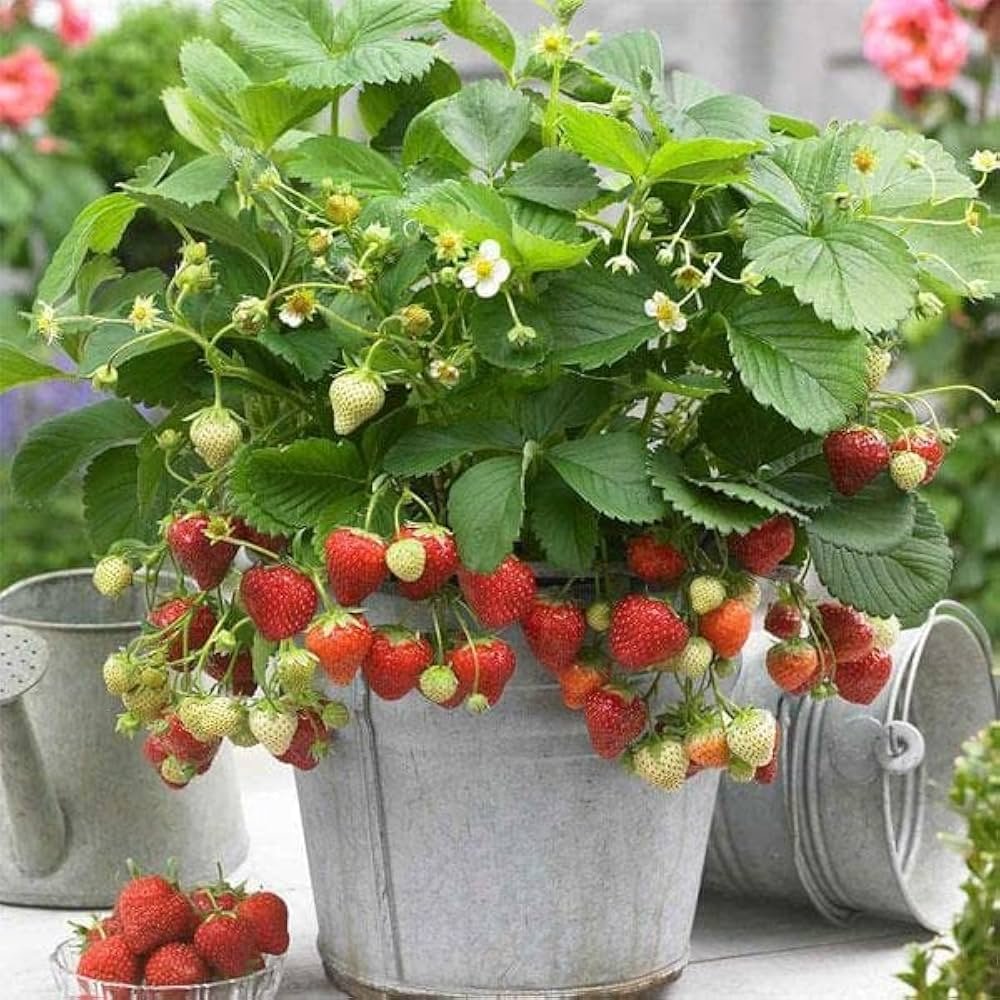
Growing strawberries at home has several advantages:
- Fresh and healthy: You control what goes into your soil, avoiding chemicals or pesticides.
- Cost-effective: Market strawberries are expensive; homegrown berries save money.
- Continuous harvest: With proper care, strawberry plants can produce berries year-round.
- Fun and educational: A great project for kids, families, or urban gardeners.
Strawberries are perennial plants, meaning they can produce fruit for multiple years when grown correctly.
🍓 Step 1: Selecting the Right Strawberries
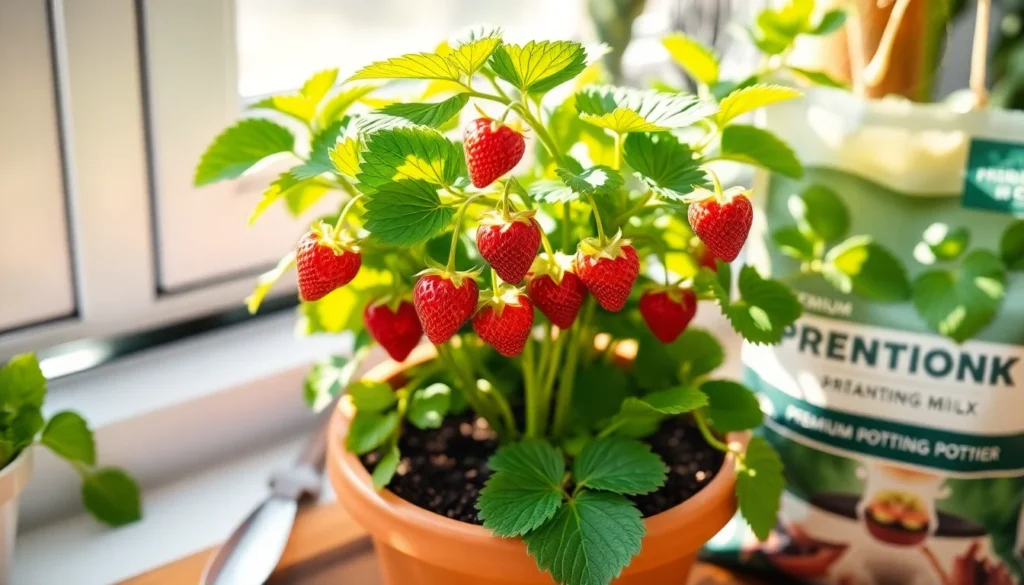
Not all strawberries are suitable for propagation. When choosing market strawberries:
- Look for fresh, healthy, firm fruit. Avoid soft, moldy, or overripe berries.
- Choose berries that still have the green crown and leaves attached.
- Opt for organic strawberries if possible, as untreated fruit is better for propagation.
Pro tip: The healthiest berries produce the strongest runners, which are the key to multiplying your plants.
🪴 Step 2: Preparing Your Containers or Garden Bed
Strawberries grow well in containers, making them perfect for balcony, patio, or windowsill gardening.
- Container types: Plastic pots, wooden boxes, hanging baskets, or raised beds.
- Soil mix: Use nutrient-rich, well-draining soil. A mix of garden soil, compost, and sand works best.
- Drainage: Ensure pots have drainage holes to prevent root rot.
Healthy soil ensures strong roots and maximum fruit production.
🌿 Step 3: Propagating from Market Strawberries
You can propagate strawberries from runners or crowns. Here’s how:
- Remove the green crown and a small section of the stem from the market fruit.
- Place the crown in a small cup or tray with moist soil or water.
- Keep the crown upright, covering the roots but leaving leaves exposed.
- Maintain a warm, sunny environment with indirect light.
In 1–2 weeks, you’ll notice roots forming. This is the start of your new strawberry plant.
💧 Step 4: Watering and Care
Strawberries need consistent moisture to grow healthy roots and leaves:
- Water lightly and regularly, keeping the soil moist but not soggy.
- Avoid wetting the leaves too much to prevent fungal diseases.
- Mulch the soil with straw or dried leaves to retain moisture.
Proper watering ensures rapid growth and stronger plants.
🌞 Step 5: Sunlight and Temperature
Strawberries thrive in sunlight and moderate temperatures:
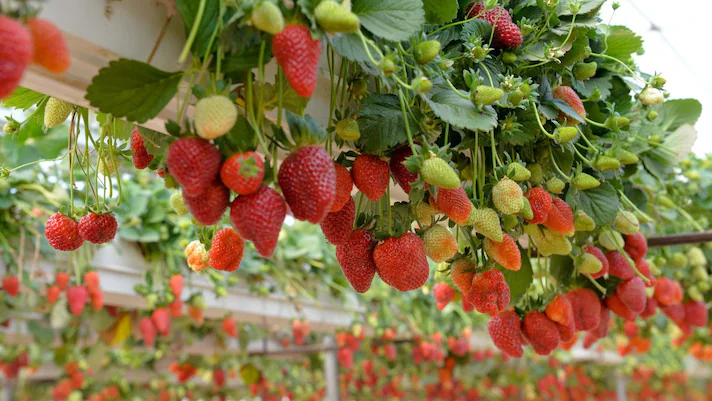
- Light: 6–8 hours of sunlight per day.
- Temperature: Ideal range is 18–25°C.
- Protect young plants from frost or excessive heat.
If sunlight is limited, place containers near bright windows or under grow lights.
🪴 Step 6: Transplanting to Bigger Containers
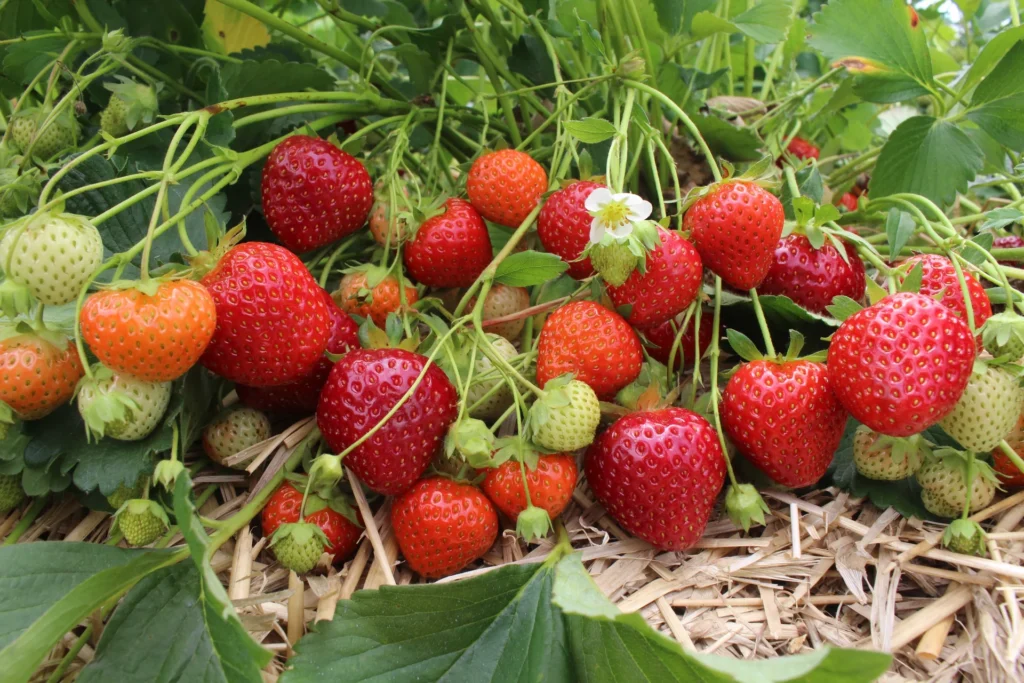
Once roots are established (usually 2–3 weeks):
- Transfer seedlings to larger containers or garden beds.
- Space plants 12–18 inches apart to allow room for runners and fruit.
- Add fresh compost or organic fertilizer to promote healthy growth.
Proper spacing ensures air circulation, fewer diseases, and larger fruit.
🌱 Step 7: Encouraging More Plants
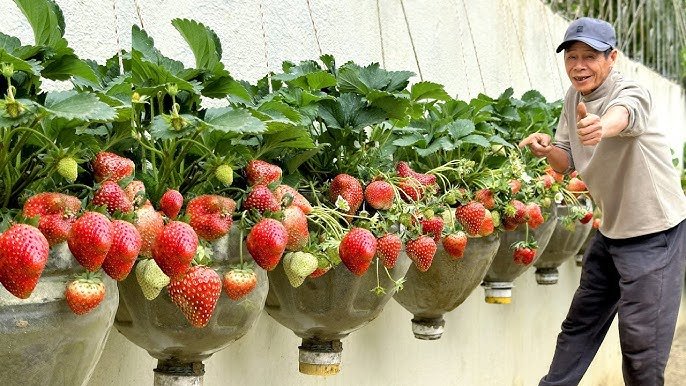
Strawberries multiply naturally through runners — long stems that grow out from the mother plant:
- When a runner touches soil, it can root and form a new plant.
- Peg the runner down with a small stick or clip to keep it in place.
- Water lightly and wait for roots to develop before severing from the mother plant.
This method allows you to expand your strawberry garden rapidly using a few original plants.
🪴 Step 8: Fertilizing for High Yield
Healthy soil ensures big, sweet berries. Fertilize as follows:
- Apply organic compost or worm castings every 3–4 weeks.
- Use a balanced N-P-K fertilizer to promote growth and fruiting.
- Avoid excessive nitrogen, which promotes leaves but reduces fruit yield.
Regular feeding ensures continuous flowering and fruiting.
🐞 Step 9: Pest and Disease Management
Strawberries are prone to pests and fungal infections. Preventive measures include:
- Inspect plants regularly for aphids, spider mites, or slugs.
- Spray mild neem oil or garlic solution for natural pest control.
- Remove diseased leaves immediately.
- Maintain airflow and spacing to reduce fungal growth.
Healthy plants produce larger, sweeter, and more abundant berries.
🍓 Step 10: Harvesting Your Strawberries
Strawberries are ready to harvest when:
- Fruits are bright red and fully colored.
- They detach easily with a gentle twist.
- Leaves remain green and healthy.
Harvest regularly to encourage new fruit production. You can enjoy fresh strawberries in salads, desserts, smoothies, or directly as a snack.
🌟 Step 11: Tips for Maximum Success
- Start with 2–3 strong market strawberries and multiply them with runners.
- Rotate containers for even sunlight exposure.
- Use compost tea or liquid fertilizer to boost fruiting.
- Keep soil lightly mulched to retain moisture and prevent weeds.
Following these tips can create a thriving strawberry garden in even the smallest urban spaces.
🏡 Benefits of Growing Strawberries at Home
- Fresh and chemical-free: Enjoy safe, nutritious berries.
- Cost-saving: Multiply market strawberries into dozens of plants.
- Continuous harvest: Proper care yields fruit all year.
- Aesthetic appeal: Strawberry plants with glossy leaves and red berries brighten your balcony or garden.
- Educational and rewarding: Perfect for families and beginner gardeners.
🍀 Conclusion: Transform Store-Bought Strawberries Into a Home Garden
Growing strawberries from market fruit is easy, rewarding, and fun. With minimal space and a few simple steps, you can:
- Produce fresh, sweet, and chemical-free strawberries.
- Multiply plants using runners to expand your garden quickly.
- Enjoy year-round harvests from your balcony or kitchen.
Even beginners can start with just a few strawberries and create a lush, productive, and beautiful garden.
Start today, and in a few weeks, your home will be filled with plump, juicy, and aromatic strawberries — the ultimate treat for your family and friends!