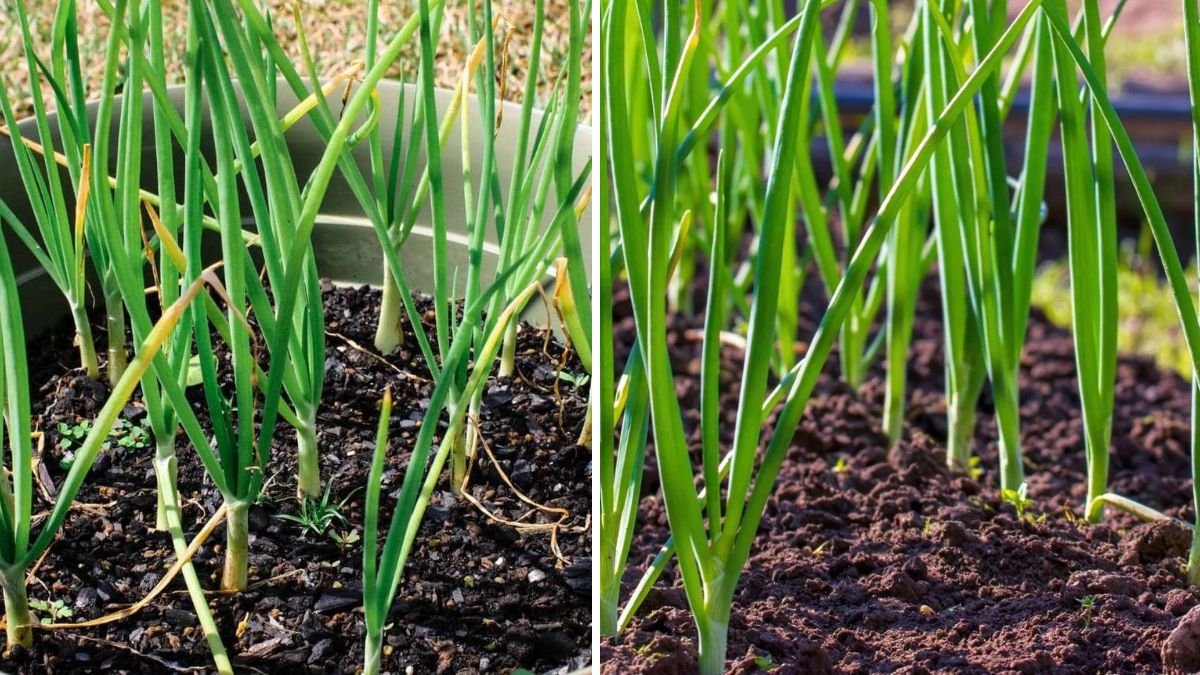
Onion leaves, also known as green onions, spring onions, or scallions, are a kitchen staple packed with flavor, aroma, and nutrition. Growing them at home is easy, cost-effective, and sustainable, whether you have a garden, balcony, or even just a kitchen countertop. This guide covers everything you need to know about onion leaf cultivation, planting, care, and harvesting, inspired by practical farming methods shared on YouTube for beginners.
By the end of this guide, you’ll be able to grow lush, green, healthy onion leaves year-round for your kitchen.
🌿 Why Grow Onion Leaves at Home?
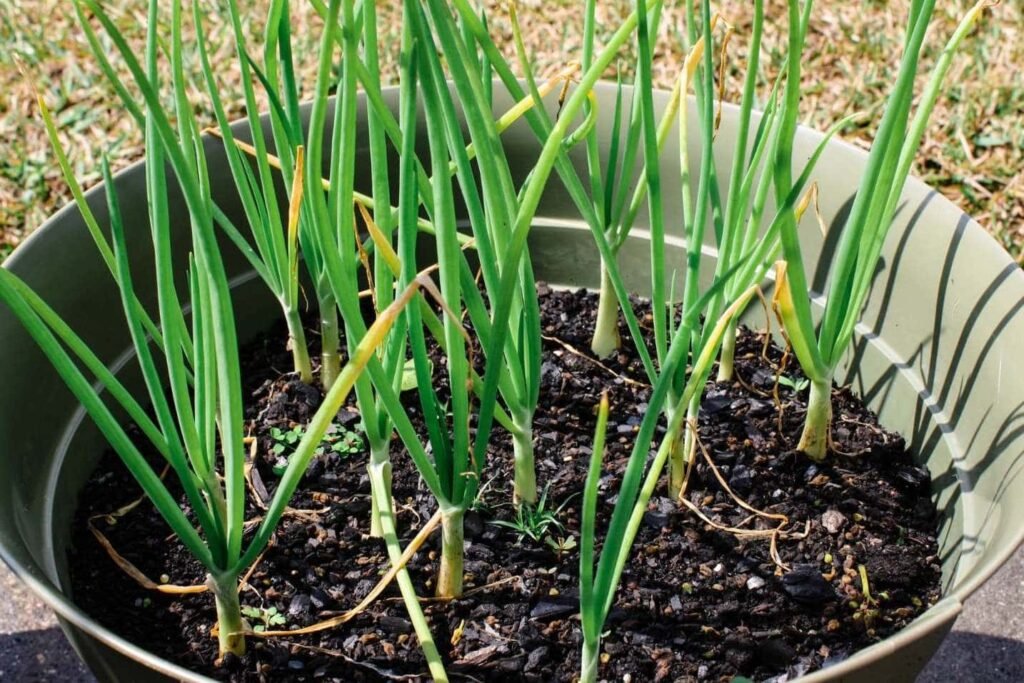
Home-grown onion leaves offer several advantages over store-bought alternatives:
- Freshness: Enjoy vibrant green leaves packed with aroma and flavor.
- Nutritional value: Rich in vitamins A, C, and K, along with antioxidants and minerals.
- Cost-saving: Save money by propagating onions yourself.
- Pesticide-free: Ensure safe, chemical-free vegetables.
- Easy and fast-growing: Onion leaves can be harvested multiple times from the same plant.
Growing onion leaves is also an educational and fun gardening activity, perfect for all ages.
🪴 Choosing Onion Varieties
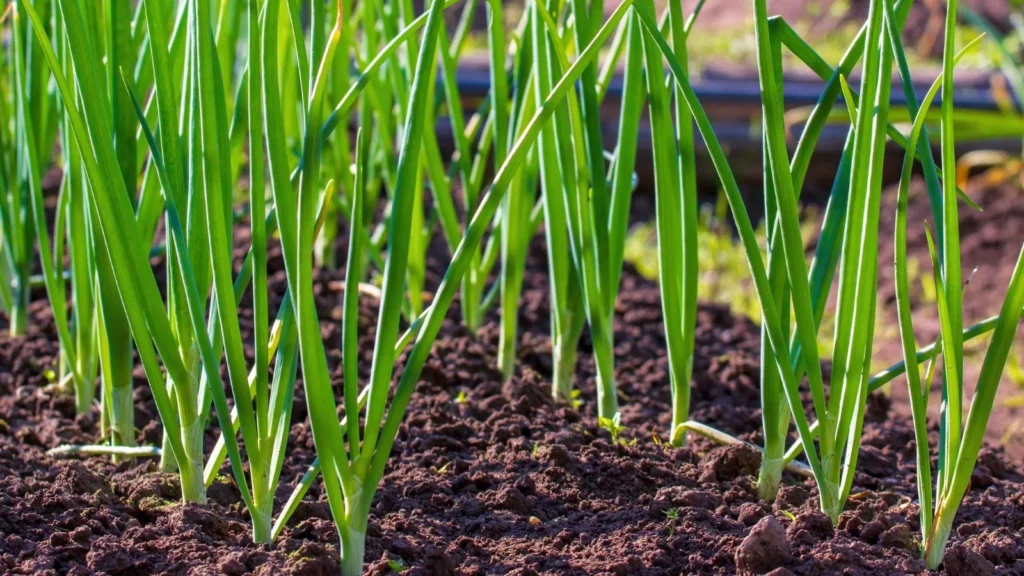
Onion leaves can be grown from:
- Bulb onions: Regular onions from the market or seeds.
- Spring onion varieties: Specially bred for leafy growth and mild flavor.
- Seeds: For long-term cultivation and continuous harvesting.
Tip: For beginners, growing from market bulbs or spring onion sets is faster and more reliable.
🌱 Preparing Onion Bulbs or Seeds
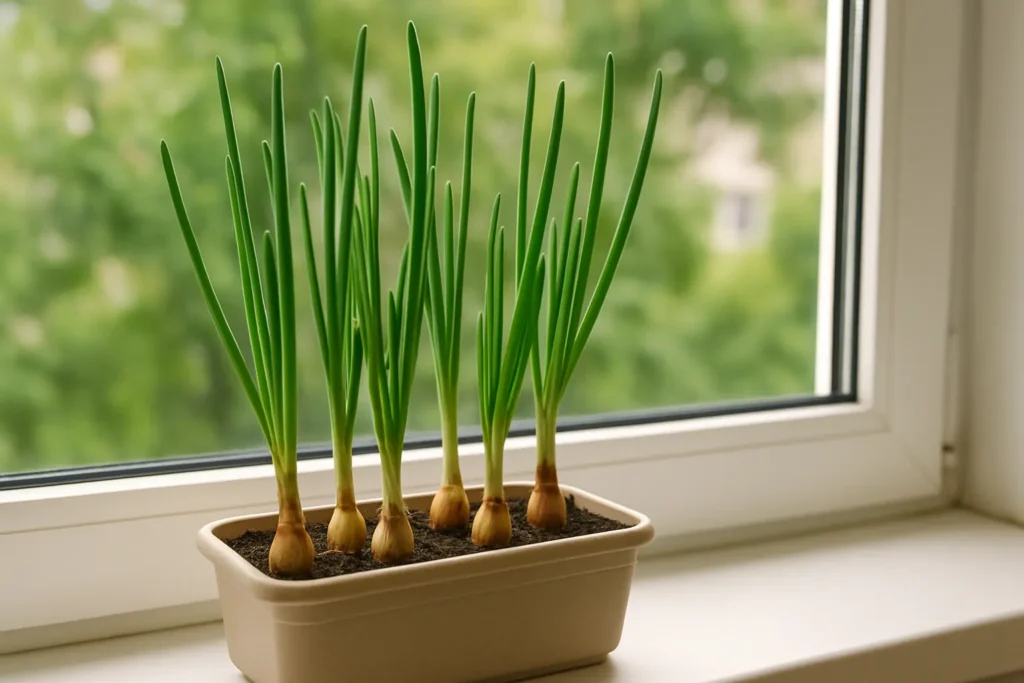
Proper preparation is key for healthy growth:
- Bulbs:
- Select firm, healthy bulbs without signs of rot.
- Cut the bulb if needed, leaving 1–2 inches of the base intact.
- Soak in water for a few hours to encourage root growth.
- Seeds:
- Soak seeds in warm water for 6–8 hours before sowing.
- Use a light, well-draining seed-starting mix for germination.
- Keep the soil moist and warm for fast sprouting.
🪴 Soil Preparation for Onion Leaves
Onion leaves thrive in well-draining, fertile soil:
- Soil type: Loamy or sandy soil with good organic matter.
- pH level: Slightly acidic to neutral (6.0–7.0).
- Preparation steps:
- Remove weeds and debris.
- Loosen the soil to a depth of 6–8 inches.
- Mix in compost, vermicompost, or well-rotted manure.
- Ensure good drainage to prevent root rot.
Tip: Adding a handful of sand improves drainage for faster leaf growth.
✂️ Planting Onion Leaves
Onion leaves can be grown from bulbs, sets, or seeds.
Planting Bulbs or Sets:
- Place bulbs in soil with the root end down and tip slightly above soil level.
- Space bulbs 2–3 inches apart for optimal leaf growth.
- Cover lightly with soil and water gently.
- Position in full sun or partial shade for best growth.
Planting Seeds:
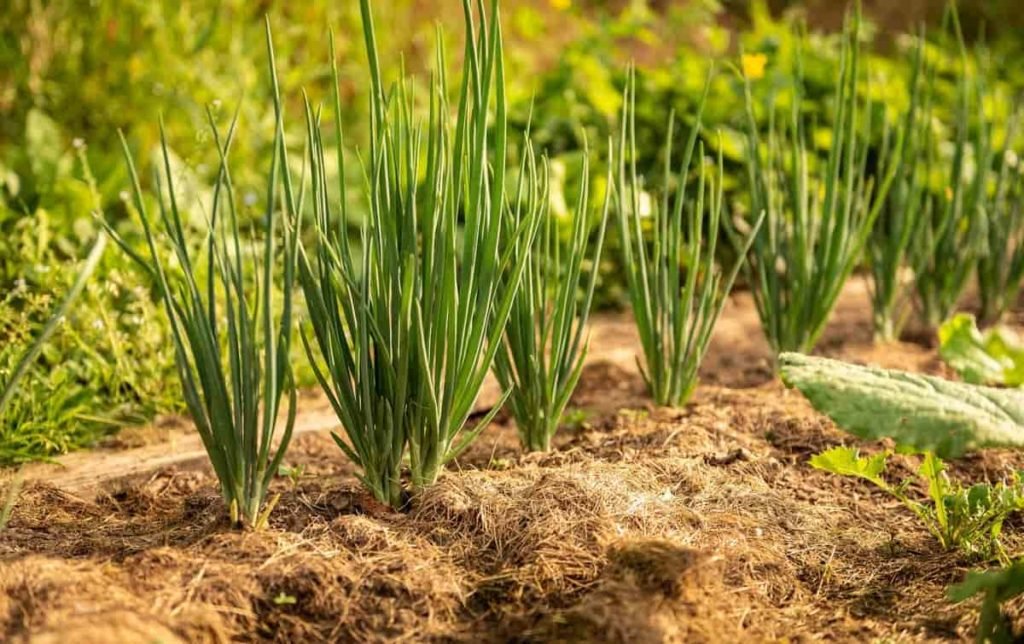
- Sow seeds ¼ inch deep in rows or containers.
- Keep soil moist and cover lightly with mulch.
- Germination occurs within 7–14 days depending on temperature.
Pro Tip: Use shallow trays, raised beds, or containers to grow onion leaves easily at home.
💧 Watering and Moisture Care
Consistent moisture is key for tender, green leaves:
- Water regularly to keep soil evenly moist.
- Avoid waterlogging, which can lead to root rot.
- Use drip irrigation or gentle watering cans for container gardens.
- Mulch around bulbs or seeds to retain soil moisture and reduce weed growth.
Tip: Frequent light watering is better than heavy, infrequent watering.
☀️ Sunlight and Temperature Requirements
Onion leaves grow best under moderate temperatures and sunlight:
- Sunlight: 6–8 hours of direct or partial sun daily.
- Temperature: Ideal range is 18°C–28°C.
- Protect young seedlings from frost or extreme heat.
Tip: For indoor cultivation, place containers near sunny windows or use grow lights.
🌿 Fertilization for Healthy Leaf Growth
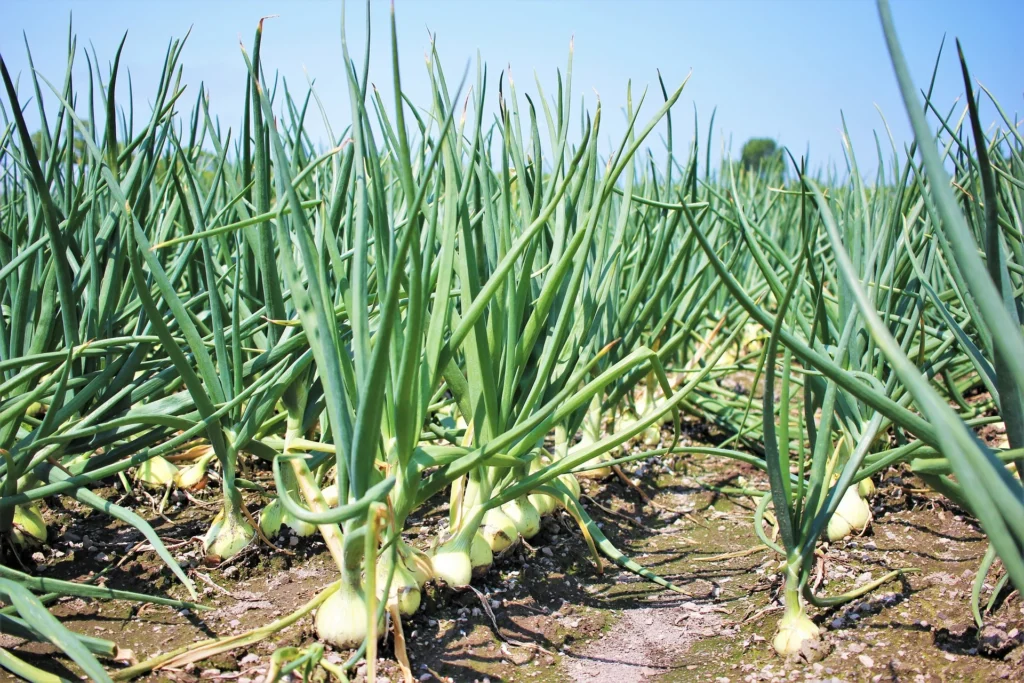
Nutrient-rich soil ensures lush, green, and flavorful leaves:
- Apply compost or organic fertilizer every 3–4 weeks.
- Nitrogen-rich fertilizers encourage rapid leaf growth.
- Avoid excessive chemical fertilizers to maintain safe, edible leaves.
Tip: Liquid fertilizers like diluted cow dung slurry or vermicompost tea work well for container gardens.
🐛 Pest and Disease Management
Onion leaves are hardy but may face some issues:
Common Pests:
- Onion thrips: Spray neem oil or garlic solution.
- Aphids: Wash leaves with water and apply organic soap.
- Cutworms: Protect seedlings with collars or barriers.
Common Diseases:
- Downy mildew: Ensure good air circulation and avoid wet leaves.
- Root rot: Maintain well-draining soil.
- Fungal spots: Remove affected leaves and use organic fungicides.
Tip: Regular inspection prevents pest and disease damage.
✂️ Harvesting Onion Leaves
One of the best features of onion leaves is multiple harvests from the same plant:
- First harvest: 3–4 weeks after planting, when leaves reach 6–8 inches.
- Method: Cut leaves 1–2 inches above the soil; leaves will regrow.
- Continuous harvesting: Trim regularly to encourage bushy, new leaves.
- Bulb harvesting: If you also want onions, leave some plants to grow bulbs fully.
Pro Tip: Regular harvesting keeps plants productive and flavorful.
🥗 Culinary Uses of Onion Leaves
Fresh onion leaves enhance flavor and aroma in many dishes:
- Garnish for soups, salads, curries, and stir-fries
- Ingredient in omelets, sandwiches, and wraps
- Used in sauces, chutneys, and dips
- Flavoring for fried rice, noodles, and other Asian dishes
Home-grown leaves are more aromatic and flavorful than store-bought options.
🔁 Unique Home Farming Ideas
- Container Gardening: Grow onion leaves in pots, tubs, or trays for small spaces.
- Vertical Farming: Stack containers for continuous harvest.
- Hydroponic Onion Leaves: Grow in water with nutrient solutions for faster results.
- Succession Planting: Sow seeds every 2–3 weeks for a year-round supply.
- YouTube Inspiration: Many tutorials show creative methods for indoor and balcony farming.
These techniques make onion leaf farming fun, sustainable, and highly productive.
🌟 Benefits of Growing Onion Leaves at Home
- Health benefits: Rich in vitamins, antioxidants, and minerals.
- Cost-effective: Grow fresh leaves instead of buying frequently.
- Eco-friendly: Reduce plastic and chemical use.
- Decorative: Green foliage brightens balconies and windowsills.
- Therapeutic: Gardening reduces stress and enhances well-being.
🌿 Final Thoughts
Growing onion leaves at home is easy, rewarding, and highly beneficial. With proper seed or bulb selection, soil preparation, sunlight, watering, and organic care, you can enjoy lush, green, flavorful leaves year-round.
Whether you have a garden, terrace, balcony, or kitchen window, onion leaf cultivation is suitable for all spaces. Start today, and enjoy fresh, aromatic, and healthy onion leaves straight from your home!
Healthy, green, and homegrown—your onion leaf farm is just a few simple steps away!