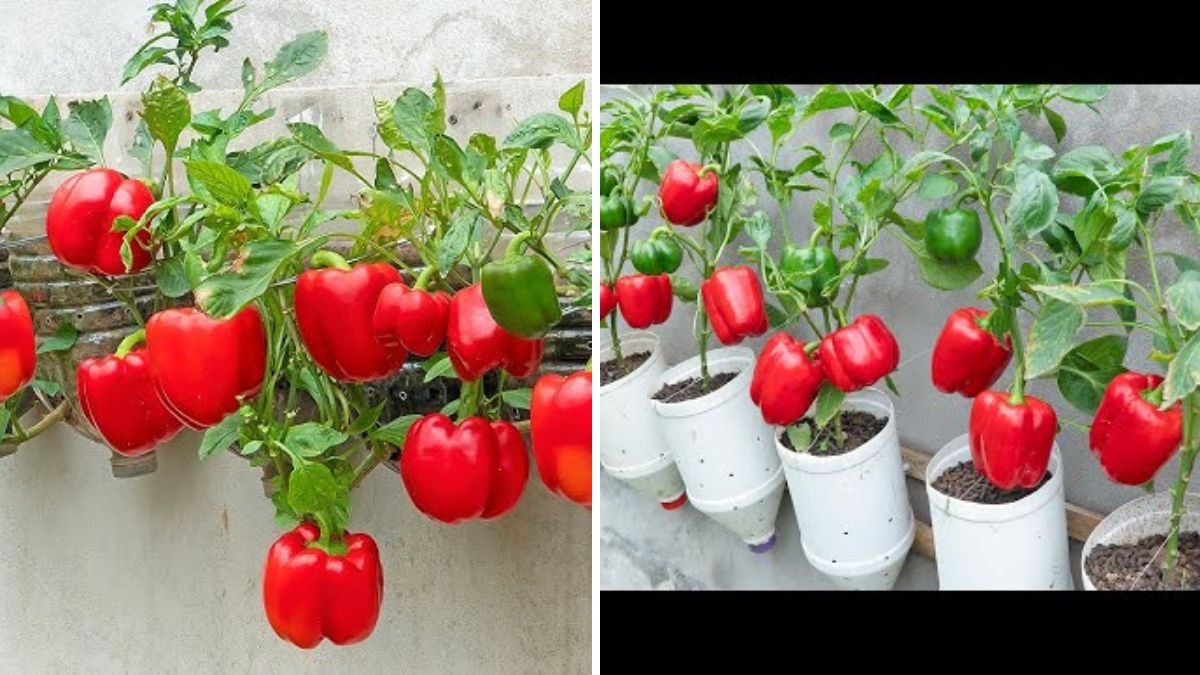
Bell peppers are a favorite in kitchens worldwide. Their sweet flavor, crisp texture, and vibrant colors make them perfect for salads, stir-fries, stuffed dishes, and more. However, growing large, juicy bell peppers at home can be challenging if you don’t know the right techniques.
The good news? With the right method, starting from seeds, you can grow bell peppers that are big, sweet, and productive, even in small spaces like balconies, patios, or home gardens. This article will guide you step by step on how to grow bell peppers from seeds and achieve high-quality harvests.
🌱 Why Grow Bell Peppers from Seeds?
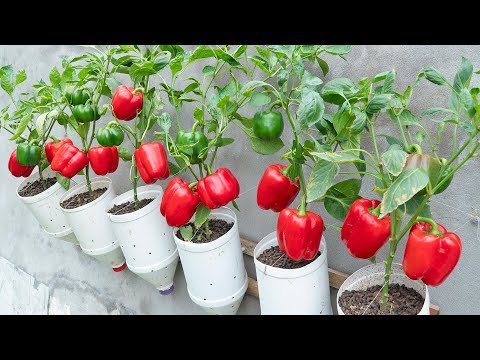
Growing bell peppers from seeds has many advantages:
- Variety choice: You can select your favorite varieties for size, color, and taste.
- Cost-effective: Seeds are cheaper than buying seedlings.
- Better plant health: Seed-grown plants are often stronger and disease-resistant.
- Long-term production: Starting from seeds allows continuous planting and harvests.
By following the proper method, even beginners can grow sweet, large, and healthy bell peppers at home.
🪴 Step 1: Choosing the Right Seeds
The first step is to choose high-quality bell pepper seeds:
- Select seeds from trusted sources or organic suppliers.
- Choose varieties suited for your climate: some peppers prefer warmer conditions, others cooler.
- Consider color preferences: green, red, yellow, or orange peppers.
Tip: Healthy seeds produce vigorous seedlings with better fruiting potential.
🌿 Step 2: Preparing the Seedling Tray or Container
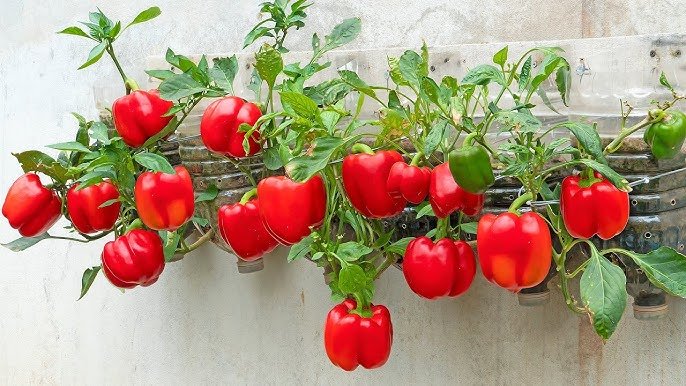
Bell peppers can be started in small trays or containers before transplanting:
- Use a seed tray, small pots, or any container with drainage holes.
- Fill with a light, well-draining seed-starting mix. A mix of soil, compost, and perlite works well.
- Moisten the soil lightly before planting seeds.
Seedlings grown in a controlled environment have stronger roots and faster growth.
✂️ Step 3: Sowing the Seeds
Planting seeds correctly is key for good germination:
- Sow seeds about ¼ inch deep into the soil.
- Cover lightly with soil and press gently.
- Water lightly to keep the soil moist.
- Cover the tray with a plastic lid or plastic wrap to retain moisture and warmth.
Tip: Keep the tray in a warm location (20–25°C) for faster germination, which usually takes 7–14 days.
💧 Step 4: Caring for Seedlings
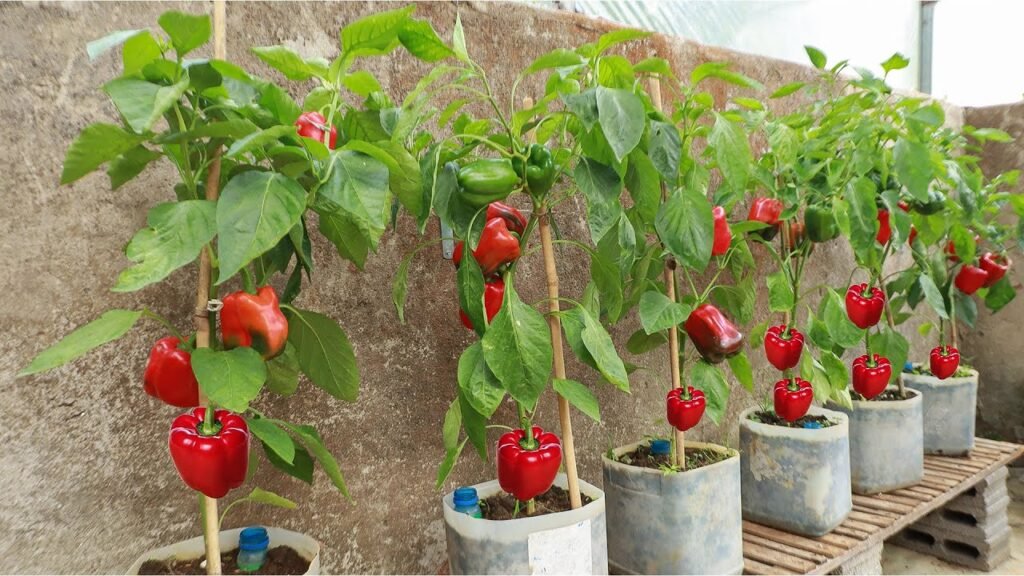
Once seeds germinate, proper care ensures healthy and strong plants:
- Provide bright, indirect sunlight for 6–8 hours daily.
- Keep the soil moist but not soggy. Overwatering can cause root rot.
- Thin seedlings if multiple sprouts grow together, leaving the strongest plant in each pot.
- Fertilize lightly with diluted liquid fertilizer every 2–3 weeks.
Healthy seedlings form the foundation for big, sweet bell peppers.
🌞 Step 5: Transplanting Seedlings
After 6–8 weeks, seedlings are ready for transplanting into bigger containers or the garden:
- Choose containers at least 12 inches deep or a garden bed with rich, well-draining soil.
- Dig a hole slightly larger than the seedling’s root ball.
- Place the seedling and fill with soil. Firm gently and water immediately.
- Space plants 12–18 inches apart to allow proper growth.
Tip: Proper spacing ensures strong stems and larger fruit.
🪴 Step 6: Fertilizing for Big, Sweet Peppers
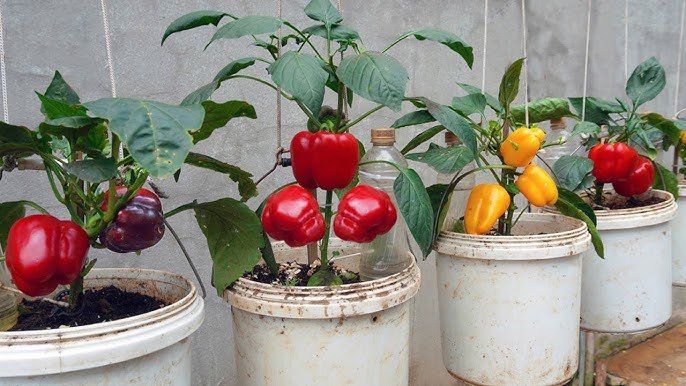
Fertilization is crucial for size, sweetness, and high yield:
- Use organic compost or well-rotted manure at transplanting.
- Apply a balanced fertilizer (N-P-K 10-10-10) every 3–4 weeks.
- When fruit sets, use a phosphorus and potassium-rich fertilizer to enhance sweetness and firmness.
Regular feeding ensures healthy growth, vibrant leaves, and delicious peppers.
🌿 Step 7: Watering and Moisture Control
Bell peppers need consistent moisture:
- Water deeply once or twice a week, depending on weather.
- Avoid letting the soil dry completely, which can cause flower drop.
- Mulch the soil surface with straw or dried leaves to retain moisture and prevent weeds.
Proper watering produces juicy, large, and sweet bell peppers.
🕒 Step 8: Sunlight and Temperature Requirements
Bell peppers are sun-loving plants:
- Provide 6–8 hours of sunlight daily.
- Ideal temperature: 20–30°C.
- Protect from frost or extreme heat by moving containers or using shade cloths.
Good light exposure ensures healthy flowering and sweet fruit.
✂️ Step 9: Pruning and Supporting Plants
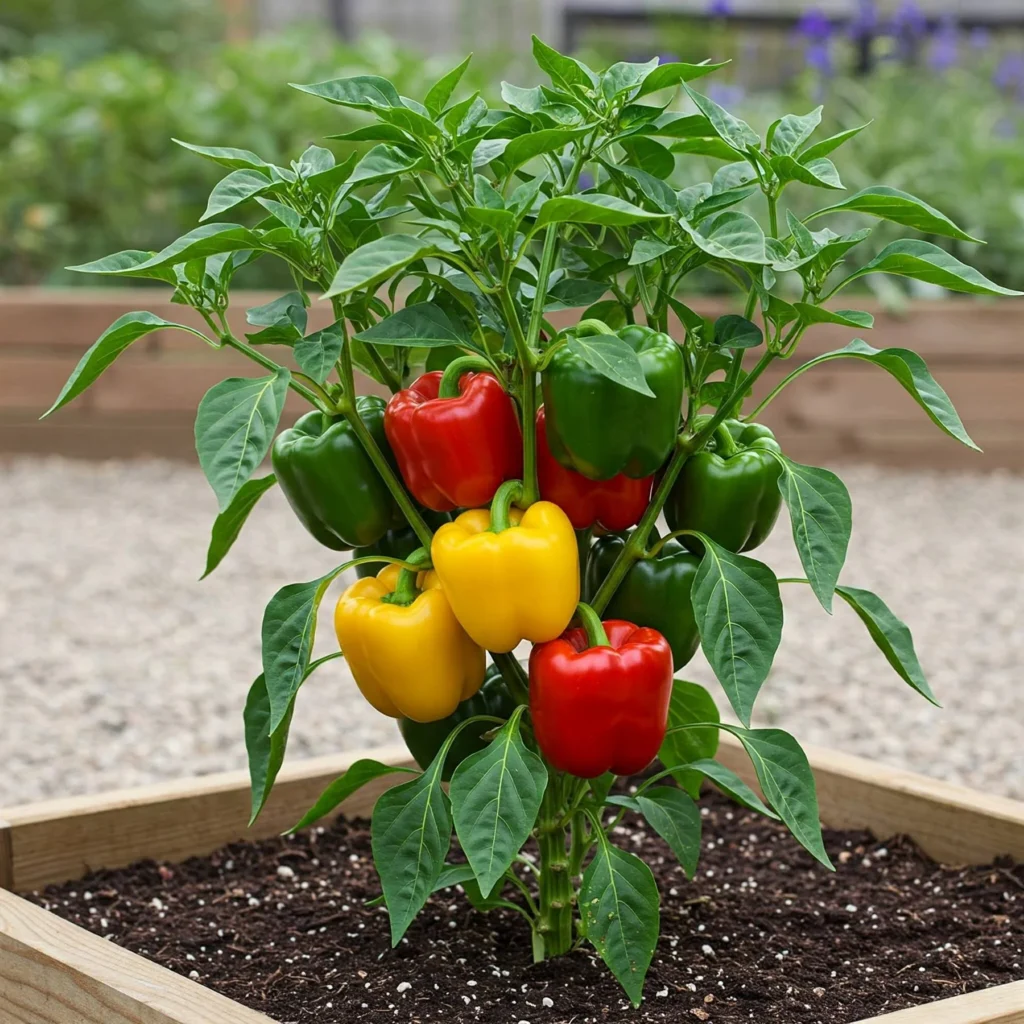
Supporting bell peppers improves fruit size and plant health:
- Remove lower leaves and damaged foliage to improve airflow.
- Pinch off early flowers to allow stronger plant growth before fruiting.
- Use stakes or cages to support tall varieties and prevent fruit from touching the ground.
Pruning and support increase yield, size, and sweetness.
🐞 Step 10: Pest and Disease Management
Bell peppers can be affected by aphids, whiteflies, and fungal diseases:
- Inspect plants regularly for pests and remove by hand or spray mild neem oil.
- Avoid overcrowding to prevent fungal infections.
- Keep the area clean and remove fallen leaves or decayed fruit.
Healthy plants produce bigger, sweeter, and more numerous peppers.
🍴 Step 11: Harvesting Your Bell Peppers
Bell peppers can be harvested when:
- They reach full size and have a deep, vibrant color.
- They are firm and glossy.
- Use a sharp knife or scissors to cut fruit from the plant, leaving the stem intact.
Harvesting regularly encourages continuous fruiting, leading to a year-round supply.
🌟 Step 12: Tips for Maximum Yield and Sweetness
- Use well-draining soil rich in organic matter.
- Maintain consistent moisture and sunlight.
- Prune plants for better airflow and larger fruit.
- Use phosphorus and potassium fertilizers during fruiting.
- Harvest at the right time to enjoy sweet and crisp bell peppers.
By following these tips, even small urban spaces can produce big, sweet bell peppers.
🏡 Benefits of Growing Bell Peppers at Home
- Fresh and flavorful: No chemicals or preservatives.
- Cost-effective: Grow many plants from a few seeds.
- High yield: Continuous fruit production with proper care.
- Beautiful plants: Adds greenery and vibrant colors to your balcony or garden.
- Educational and satisfying: Great for families and beginner gardeners.
🍀 Step 13: Conclusion – Your Sweet Bell Pepper Garden
Growing bell peppers from seeds using this method is simple, rewarding, and highly productive. By following these steps:
- Starting with healthy seeds
- Providing the right soil, water, and sunlight
- Fertilizing and pruning properly
…you can enjoy big, juicy, and sweet bell peppers right at home.
Even if space is limited, a few containers or balcony pots can produce a continuous harvest of delicious bell peppers for your family’s meals.
Start today, and turn your home into a vibrant, productive pepper garden, full of sweet, crisp, and colorful bell peppers all year round!