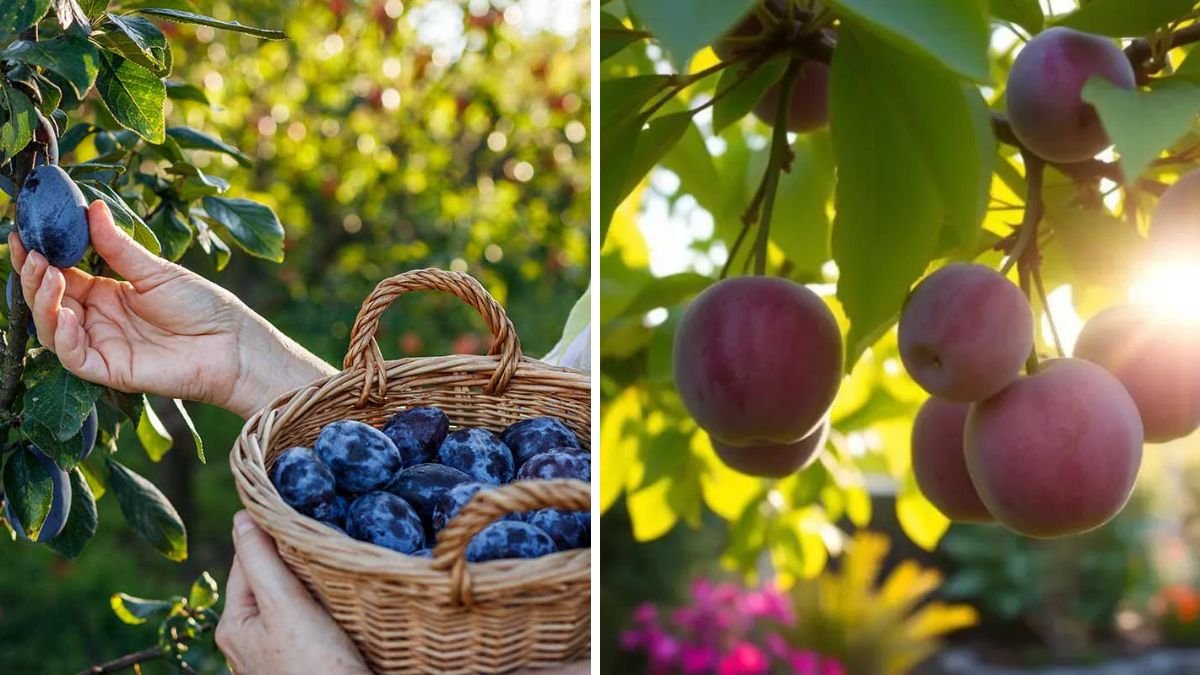
Introduction to Growing Plum from Supermarket Fruit
Growing a plum tree from a supermarket plum is exciting and educational. It allows gardeners to recycle seeds and grow fruit at home. This method is budget-friendly and suitable for beginners. While seed-grown trees take time to fruit, the experience is rewarding. Supermarket plums often contain viable seeds. With patience and care, seeds can germinate successfully. This guide explains each step clearly. Growing from seed teaches natural plant growth.
Understanding Plum Seeds
Plum seeds are found inside a hard pit. The pit protects the seed inside. Fresh seeds have higher germination rates. Supermarket plums should be ripe for best results. Some seeds may not germinate due to treatment. Testing multiple seeds improves success. Seed quality affects growth. Healthy seeds produce strong seedlings.
Selecting the Right Supermarket Plum
Choose organic or untreated plums when possible. Fully ripe plums contain mature seeds. Avoid damaged or rotten fruits. Firm but ripe fruits are ideal. Larger plums often have healthy pits. Clean fruits before extracting seeds. Multiple fruits increase chances. Good selection improves germination.
Extracting the Plum Seed
Cut open the plum carefully and remove the pit. Clean all fruit flesh from the pit. Dry the pit for a few days in shade. Do not expose to direct sunlight. The hard shell protects the seed. Gentle handling prevents damage. Clean pits prevent mold. Proper extraction is essential.
Cracking the Pit Safely
The pit shell is very hard. Carefully crack it using a nutcracker or pliers. Avoid crushing the seed inside. Extract the inner seed gently. Cracked seeds germinate faster. Handle with care to avoid injury. This step improves success rate. Proper technique protects seed viability.
Cold Stratification Process
Plum seeds require cold stratification. Wrap seeds in moist paper towel. Place inside a sealed bag. Refrigerate for six to eight weeks. This mimics winter conditions. Check moisture regularly. Stratification breaks dormancy. This step is crucial for germination.
Preparing Soil for Germination
Use light, well-draining soil. Mix compost with sand or coco peat. Avoid heavy soil mixes. Fertile soil supports early growth. Slightly acidic soil is preferred. Sterile soil prevents fungal issues. Soil preparation improves success. Healthy soil promotes strong roots.
Planting the Seed
Plant the seed about one inch deep. Cover lightly with soil. Water gently after planting. Place pot in a warm location. Avoid direct sunlight initially. Containers help manage moisture. Proper planting ensures germination. Early care affects success.
Germination Timeline
Plum seeds may germinate in three to eight weeks. Patience is essential. Keep soil moist but not wet. Warm temperatures speed up sprouting. Roots develop before shoots appear. Some seeds take longer. Monitor regularly for growth. Successful sprouting is rewarding.
Sunlight for Young Seedlings
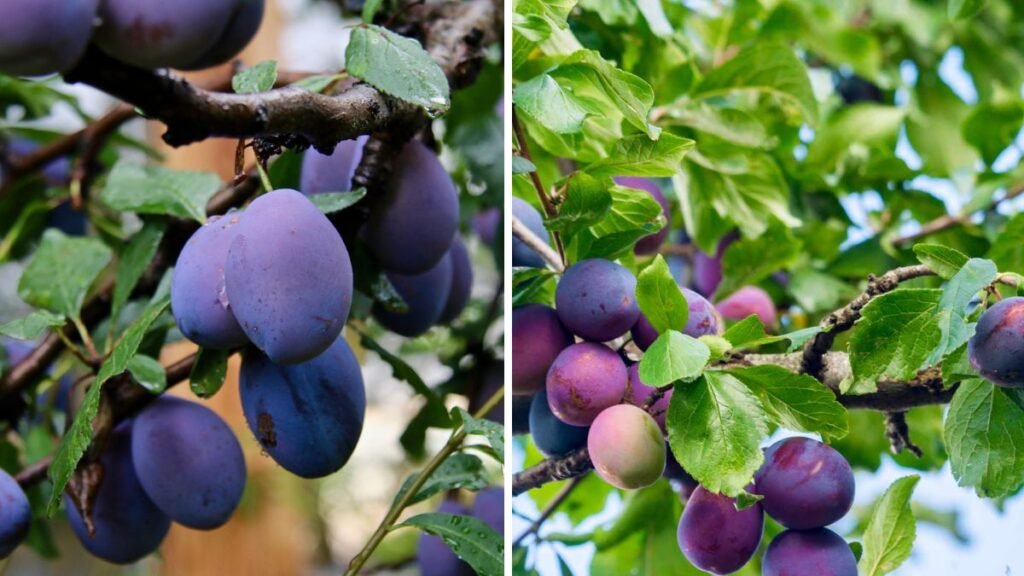
Seedlings need bright indirect sunlight. Avoid harsh afternoon sun. Gradually increase light exposure. Morning sunlight strengthens plants. Indoor seedlings should be near windows. Balanced light prevents weak growth. Observe leaf color changes. Adjust placement accordingly.
Watering Young Plum Plants
Keep soil evenly moist. Overwatering causes root rot. Underwatering slows growth. Use gentle watering methods. Check soil moisture regularly. Container plants dry faster. Balanced watering promotes strong growth. Consistency is key.
Fertilizing Seedlings
Use diluted organic compost after a few weeks. Avoid strong fertilizers early. Nitrogen supports leaf development. Feed lightly at intervals. Overfeeding damages roots. Organic nutrition is safer. Proper feeding strengthens seedlings. Healthy plants grow steadily.
Transplanting to Larger Pots
Transplant when seedlings develop strong roots. Use larger containers with drainage. Handle roots gently. Water thoroughly after transplanting. Partial shade helps adjustment. Fresh soil supports growth. Proper transplanting reduces shock. Growth resumes gradually.
Training and Pruning Young Trees
Prune weak shoots to encourage strength. Maintain a single main stem initially. Light pruning improves shape. Avoid heavy pruning early. Training helps future fruiting. Balanced growth improves health. Early structure matters. Careful pruning supports longevity.
Growing in Ground vs Containers
Ground planting allows larger growth. Containers control size and mobility. Choose based on space. Container trees need frequent watering. Ground trees access natural nutrients. Both methods can succeed. Proper care matters more. Flexibility benefits gardeners.
Flowering and Fruiting Expectations
Seed-grown plums take three to five years to fruit. Flowers appear in spring. Not all seed trees produce identical fruits. Fruits may differ from parent. Patience is required. Care influences fruit quality. Healthy trees fruit better. Experience is valuable.
Harvesting Homegrown Plums
Harvest when fruits are fully colored. Fruits should detach easily. Avoid pulling branches. Handle fruits gently. Fresh plums taste best. Regular harvesting improves yield. Homegrown flavor is superior. Enjoy the rewards.
Table: Growing Plum from Supermarket Seed
| Stage | Requirement |
|---|---|
| Seed source | Ripe supermarket plum |
| Stratification | Six to eight weeks |
| Soil | Light and well-drained |
| Germination time | Three to eight weeks |
| Fruiting time | Three to five years |
Benefits of Growing from Seed
Low-cost and eco-friendly. Educational gardening experience. Strong root systems develop naturally. Unique fruit varieties may appear. Gardening builds patience. Seed propagation promotes sustainability. Homegrown fruits are chemical-free. Personal satisfaction is high.
Long-Term Care Tips
Prune annually for shape. Fertilize moderately. Water consistently. Monitor pests and diseases. Protect from extreme weather. Repot container trees when needed. Healthy trees live long. Consistent care ensures success.
Conclusion
Growing a plum tree from a supermarket plum is simple and rewarding. With proper seed preparation, stratification, and care, seeds can sprout successfully. Though fruiting takes time, patience pays off. Homegrown plums offer freshness and satisfaction. Anyone can try this method. Start growing your own plum tree today. Enjoy the journey from seed to fruit.