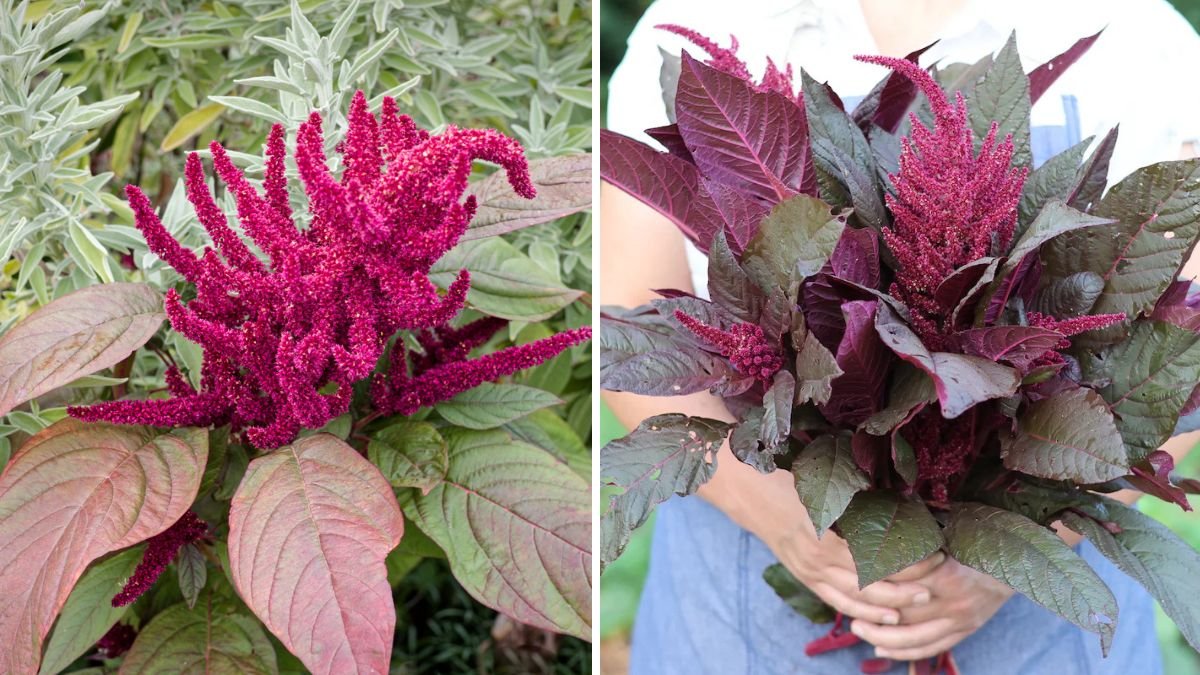
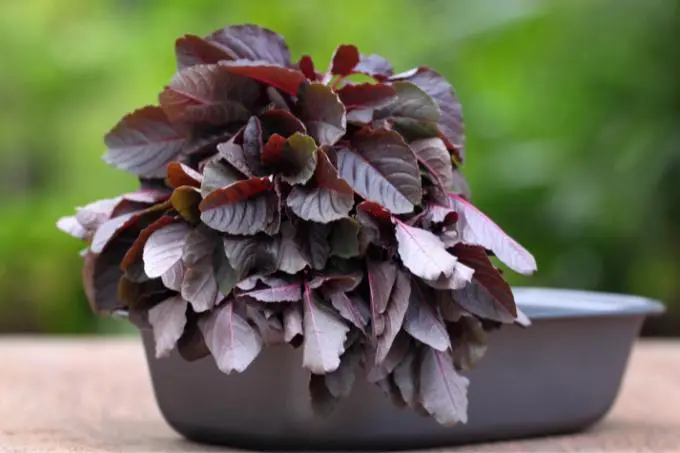
Red amaranth, scientifically known as Amaranthus tricolor, is a highly nutritious leafy vegetable popular in many cuisines for its vibrant red leaves and tender stems. Not only does it add color and flavor to your dishes, but it is also packed with vitamins, minerals, and antioxidants that support overall health. Growing red amaranth at home is easy, fast, and rewarding, making it an excellent choice for kitchen gardens, balconies, or small farming plots.
This comprehensive guide will cover everything you need to know about red amaranth cultivation, from selecting seeds to harvesting and maintaining healthy plants.
Why Grow Red Amaranth at Home?
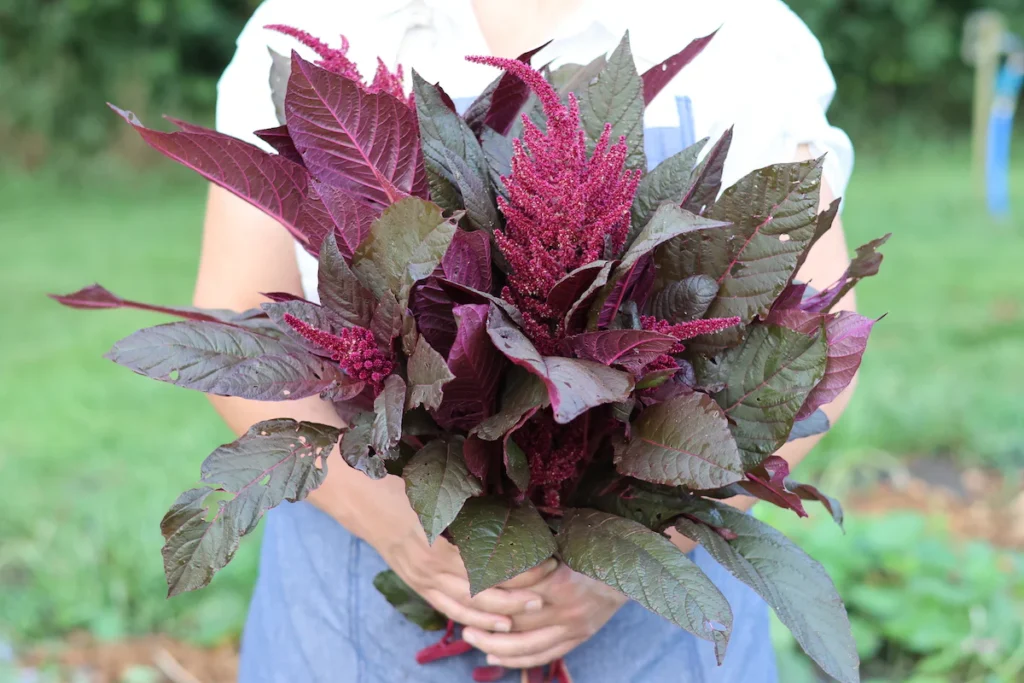
- Nutritious Leaves: Rich in iron, calcium, vitamin C, and protein, making it ideal for a healthy diet.
- Fast Growth: Red amaranth grows quickly, allowing multiple harvests in a single season.
- Low Maintenance: It requires minimal care and adapts well to different soil types.
- Versatile Use: Leaves and stems can be used in soups, salads, stir-fries, and even smoothies.
- Space Efficient: Perfect for container gardening, raised beds, or small backyard plots.
Choosing the Right Variety
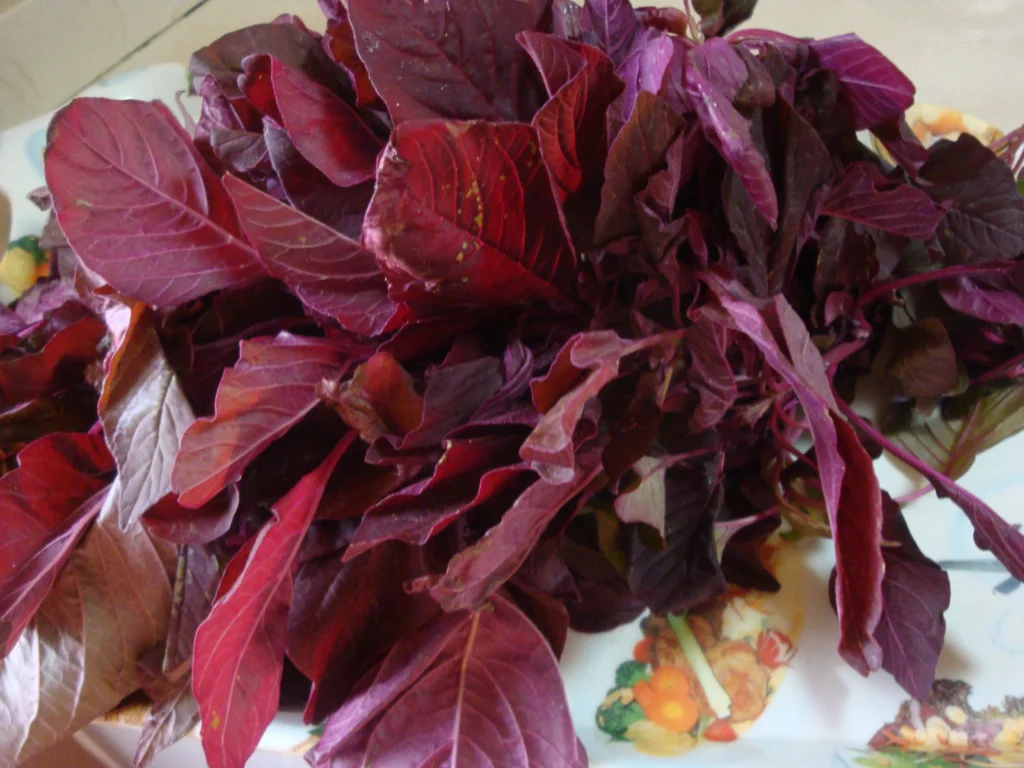
There are several varieties of red amaranth, each with unique characteristics:
- Local Red Amaranth: Commonly grown for culinary purposes; fast-growing and hardy.
- Hybrid Varieties: Offer higher yields, vibrant colors, and resistance to pests.
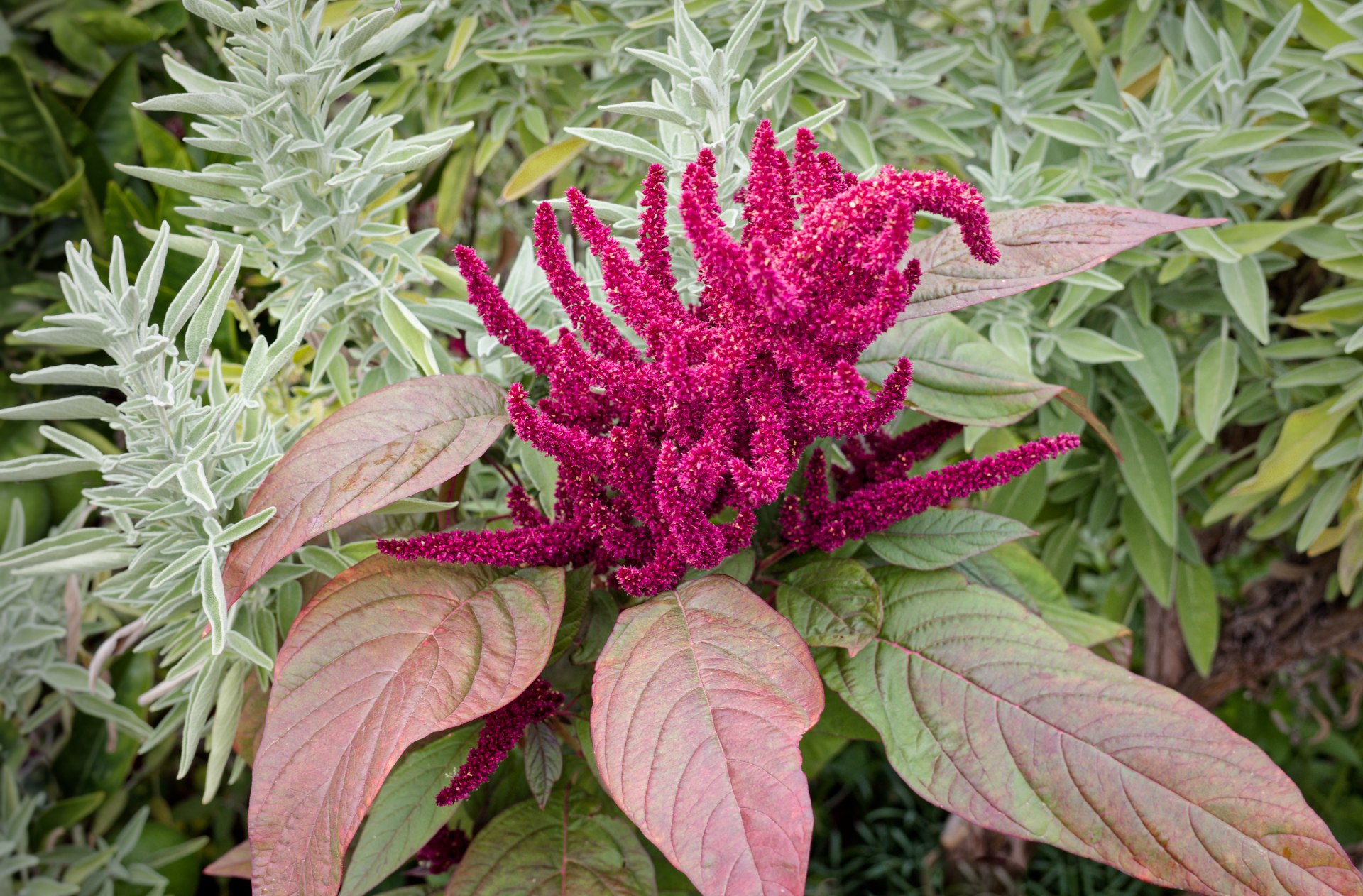
- Ornamental Red Amaranth: Primarily grown for decorative purposes but can also be eaten.
For kitchen gardens, local or hybrid red amaranth varieties are preferred due to their edible quality and fast growth.
Ideal Conditions for Red Amaranth Cultivation
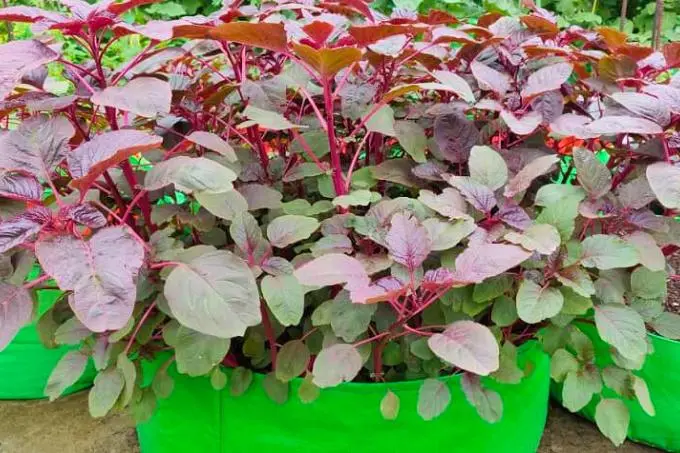
Red amaranth grows best in warm, sunny conditions. Key growing requirements include:
- Sunlight: Full sunlight for 5–6 hours daily to ensure vibrant leaves.
- Soil: Well-draining, fertile soil with a pH of 6.0–7.5. Enrich soil with compost for better growth.
- Temperature: Optimal growth occurs between 20–30°C. Red amaranth is sensitive to frost.
- Watering: Regular watering is necessary to keep the soil moist but not waterlogged.
Step-by-Step Guide to Growing Red Amaranth
1. Seed Selection and Preparation
- Purchase quality seeds from trusted nurseries.
- Red amaranth seeds are tiny, so soak them in water for 2–3 hours before sowing to improve germination.
2. Sowing Seeds
- Sow seeds directly in the garden bed or container.
- Scatter seeds thinly and cover with a thin layer of soil (0.5–1 cm).
- Keep the soil moist until germination, which usually occurs in 5–7 days.
3. Spacing and Thinning
- Thin seedlings to 8–10 inches apart to allow proper air circulation and leaf development.
- Crowded plants produce smaller leaves and are prone to diseases.
4. Container Gardening
- Use large pots or troughs with good drainage for balcony or indoor cultivation.
- Mix garden soil with compost and sand to ensure nutrients and proper drainage.
5. Watering and Mulching
- Water regularly to keep soil consistently moist.
- Apply a thin layer of organic mulch to retain moisture and suppress weeds.
Fertilization and Nutrient Management
- Apply organic compost or well-rotted manure at the time of planting.
- Use nitrogen-rich fertilizers to encourage lush, green foliage.
- Avoid over-fertilizing, which can lead to excessive growth with weak stems.
Pest and Disease Management
Red amaranth is generally hardy, but some pests and diseases may occur:
- Aphids: Spray neem oil or soap solution to control infestations.
- Leaf Miners: Remove affected leaves and use organic insecticides if necessary.
- Fungal Diseases: Ensure proper spacing, avoid waterlogging, and maintain good air circulation.
Regular monitoring and preventive care keep plants healthy and productive.
Harvesting Red Amaranth
- Red amaranth is ready for harvest 25–30 days after sowing, depending on the variety.
- Harvest leaves and tender stems by cutting them about 2–3 inches above the soil.
- Multiple harvests are possible if leaves are picked carefully, allowing the plant to regrow.
- For best flavor and nutritional value, use freshly harvested leaves in cooking.
Culinary Uses of Red Amaranth
Red amaranth leaves and stems can be used in a variety of dishes:
- Stir-Fries: Sauté with garlic, onion, and spices for a nutritious side dish.
- Soups and Stews: Add fresh leaves for flavor and nutrients.
- Salads: Use young, tender leaves raw in salads.
- Smoothies and Juices: Blend leaves for a nutrient-rich drink.
- Traditional Dishes: Incorporate into local cuisines, curries, and porridge.
Creative Gardening Ideas for Red Amaranth
- Mixed Vegetable Beds: Plant red amaranth alongside other vegetables like spinach, lettuce, or okra for color contrast and efficient space use.
- Vertical Gardening: Use trellises or vertical beds for climbing varieties.
- Container Gardens: Ideal for patios and balconies with limited space.
- Companion Planting: Grow near marigold or basil to deter pests naturally.
- Ornamental Touch: Its red leaves add aesthetic value to vegetable gardens, making them visually appealing.
Benefits of Growing Red Amaranth at Home
- Nutritional Advantage: Provides iron, vitamins, protein, and antioxidants.
- Quick Growth: Can be harvested multiple times in a single season.
- Eco-Friendly: Home-grown produce reduces reliance on store-bought vegetables and pesticides.
- Cost-Effective: Low-maintenance cultivation saves money while providing a fresh food source.
- Educational Value: Teaches children and beginners about plant growth, nutrition, and sustainability.
Conclusion
Red amaranth cultivation at home is a simple, fast, and rewarding practice for anyone interested in kitchen gardening or nutritious eating. With minimal care, this vibrant leafy vegetable can provide multiple harvests, adding color, nutrition, and beauty to your home garden.
By following proper sowing, spacing, watering, and fertilization techniques, along with preventive measures for pests and diseases, you can enjoy a continuous supply of fresh red amaranth leaves. Its culinary versatility makes it perfect for soups, salads, stir-fries, and more, while its rich nutrient profile benefits overall health.
Whether planted in garden beds, containers, or vertical gardens, red amaranth is an ideal choice for home gardeners seeking nutritious, easy-to-grow, and visually appealing leafy vegetables. Start cultivating red amaranth today and enjoy its many harvests, vibrant foliage, and healthy contribution to your meals year-round.