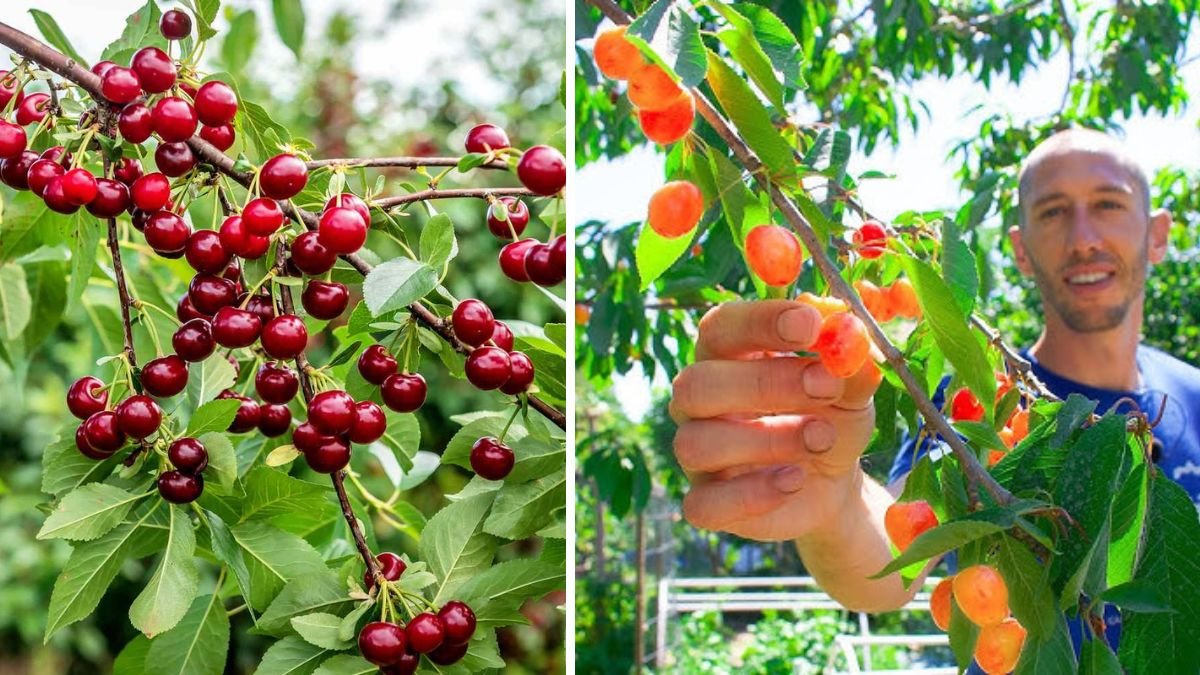
Cherry trees are beloved not only for their fragrant blossoms but also for their delicious, juicy fruits. While traditionally grown outdoors, many enthusiasts are discovering the joy of cultivating cherry trees indoors. With the right care, these trees can thrive in pots and provide a unique addition to your indoor garden. In this article, we’ll explore essential tips for growing healthy cherry trees indoors, perfect for beginners.
Understanding Cherry Tree Varieties
Before you begin, it’s crucial to choose the right variety of cherry tree. There are two main types of cherry trees: sweet cherries (Prunus avium) and sour cherries (Prunus cerasus). Sweet cherries are typically enjoyed as fresh fruit, while sour cherries are often used for baking and preserves.
For indoor gardening, dwarf or mini varieties like the Stella or North Star are excellent choices. These varieties are bred to remain small, allowing them to flourish in a pot while still producing fruit.
Selecting the Right Container
The choice of container is vital. When selecting a pot:
-
Size: Choose a spacious pot to provide ample room for roots to grow. A pot with a diameter of 12 to 16 inches is ideal for dwarf varieties.
-
Drainage: Ensure your container has drainage holes to prevent root rot. Good drainage is essential for the health of your cherry tree.
-
Material: Terra cotta, ceramic, or plastic pots are all suitable, but make sure they are heavy enough to support the tree as it grows.
Choosing the Ideal Soil
Cherry trees prefer well-draining soil that is rich in nutrients. A high-quality potting mix designed for fruit trees is ideal. Consider the following tips for preparing your soil:
- pH Level: Cherry trees thrive in slightly acidic to neutral soil (pH 6.0-7.0).
- Additives: Mixing in perlite or sand can improve drainage.
- Fertilization: Incorporate organic matter, such as compost, to provide essential nutrients.
Light Requirements
Light is one of the most critical factors in growing cherry trees indoors. Ideally, cherry trees require full sunlight for about 6 to 8 hours a day. Here are some tips for ensuring your tree gets enough light:
-
Location: Place your tree near a south-facing window where it can absorb plenty of sunlight. If natural light is limited, consider using grow lights to supplement.
-
Rotation: Rotate the tree regularly to ensure even light exposure on all sides. This promotes symmetrical growth.
Watering Wisely
Proper watering is crucial to the health of cherry trees. Overwatering can lead to root rot, while underwatering can stress the plant. Here are some guidelines to follow:
- Check Moisture: Always check the top inch of soil for moisture before watering. If it feels dry, it’s time to water.
- Watering Technique: Water deeply until it drains from the bottom, ensuring moisture reaches the root zone.
- Seasonal Variation: Be mindful of seasonal changes. Trees may require more water during the growing season (spring and summer) and less during dormancy (fall and winter).
Temperature and Humidity
Cherry trees prefer a cool climate with a temperature range of 60-75°F (15-24°C). To replicate their natural conditions:
-
Avoid Hot Spots: Keep your tree away from heating vents or air conditioning units, which can cause temperature fluctuations.
-
Humidity: Indoor environments can often be dry, especially in winter. You may want to use a humidifier or a pebble tray filled with water to maintain adequate humidity.
Pruning and Training
Pruning is essential for the health of your cherry tree and encourages fruitful growth. Here are some effective pruning strategies:
- When to Prune: Prune your tree in late winter or early spring before new growth begins.
- Techniques: Remove any dead, damaged, or crossing branches to enhance airflow and light penetration.
- Shaping: Aim for an open center structure to encourage light reach and air circulation.
Fertilizing Your Cherry Tree
Fertilizing indoor cherry trees is key to ensuring robust growth and fruit production. Here’s how to do it effectively:
-
Type of Fertilizer: Use a balanced, slow-release fertilizer formulated for fruit trees. Organic options are also excellent.
-
Application Frequency: Fertilize every 4-6 weeks during the growing season (spring and summer) and reduce or eliminate feeding during fall and winter.
-
Dosage: Follow the manufacturer’s recommendations for dosage to avoid burning the roots.
Pollination
Most sweet cherry trees are not self-pollinating, which means they need another tree of a different variety for pollination to produce fruit. If you’re growing indoors, consider the following:
-
Self-Pollinating Varieties: Opt for self-pollinating varieties to eliminate the need for a second tree.
-
Manual Pollination: If your tree does require another, you can hand-pollinate using a small brush to transfer pollen from one blossom to another.
Pest Control and Disease Prevention
Be vigilant about pests and diseases, as indoor environments can sometimes encourage them. Here are some common pests and ways to manage them:
- Spider Mites: Look for fine webbing and tiny dots on leaves. Use insecticidal soap or neem oil as a treatment.
- Aphids: These small insects can cluster on new growth. Spray with a strong jet of water to dislodge them or use insecticidal soap.
- Fungal Diseases: Ensure good air circulation and avoid overhead watering to prevent fungal issues like powdery mildew.
Harvesting Your Cherries
Growing your cherries indoors can eventually lead to a fruitful harvest. Here’s when and how to harvest:
- Timing: Wait until the cherries are fully colored and firm to the touch. This usually occurs in late spring to early summer, depending on the variety.
- Method: Use gentle twists to remove the cherries from the stem, avoiding damage to the fruit or tree.
Common Challenges for Indoor Cherry Trees
-
Limited Space: Indoor environments can restrict growth. Regularly assess your tree’s space and be prepared to repot if necessary.
-
Light Deficiency: If your plant isn’t getting enough natural light, consider supplemental grow lights to boost its growth.
-
Overwatering: This is one of the most common mistakes. Ensure the pot has adequate drainage and check soil moisture regularly.
FAQs
1. Can I grow cherry trees indoors year-round?
Yes, cherry trees can thrive indoors year-round with the right care, including sufficient light and proper watering.
2. What is the best time to plant a cherry tree indoors?
Early spring is the best time to plant your cherry tree, as this allows the plant to establish before the growing season begins.
3. How often should I water my indoor cherry tree?
Water when the top inch of soil feels dry, typically once a week, but adjust based on your indoor climate and the tree’s needs.
4. Do I need to prune my indoor cherry tree?
Yes, regular pruning helps maintain shape, encourages healthy growth, and promotes air circulation.
5. How long does it take for a cherry tree to bear fruit indoors?
Depending on the variety and care, it can take anywhere from 3 to 5 years for a cherry tree to bear fruit when grown indoors.
6. What size pot is best for indoor cherry trees?
A pot with a diameter of 12 to 16 inches is ideal for dwarf trees. Ensure it has drainage holes for optimal root health.
7. Can cherry trees be grown from seeds indoors?
Yes, you can grow cherry trees from seeds, but it requires patience and specific conditions for germination.
Conclusion
Growing cherry trees indoors can be a fulfilling endeavor for beginners. With careful attention to light, watering, soil, and nutrition, you can enjoy the beauty and bounty of cherry trees right in your home. Remember to be patient, as growing a fruit tree takes time and commitment, but the rewards of homegrown cherries make it all worthwhile. Happy gardening!