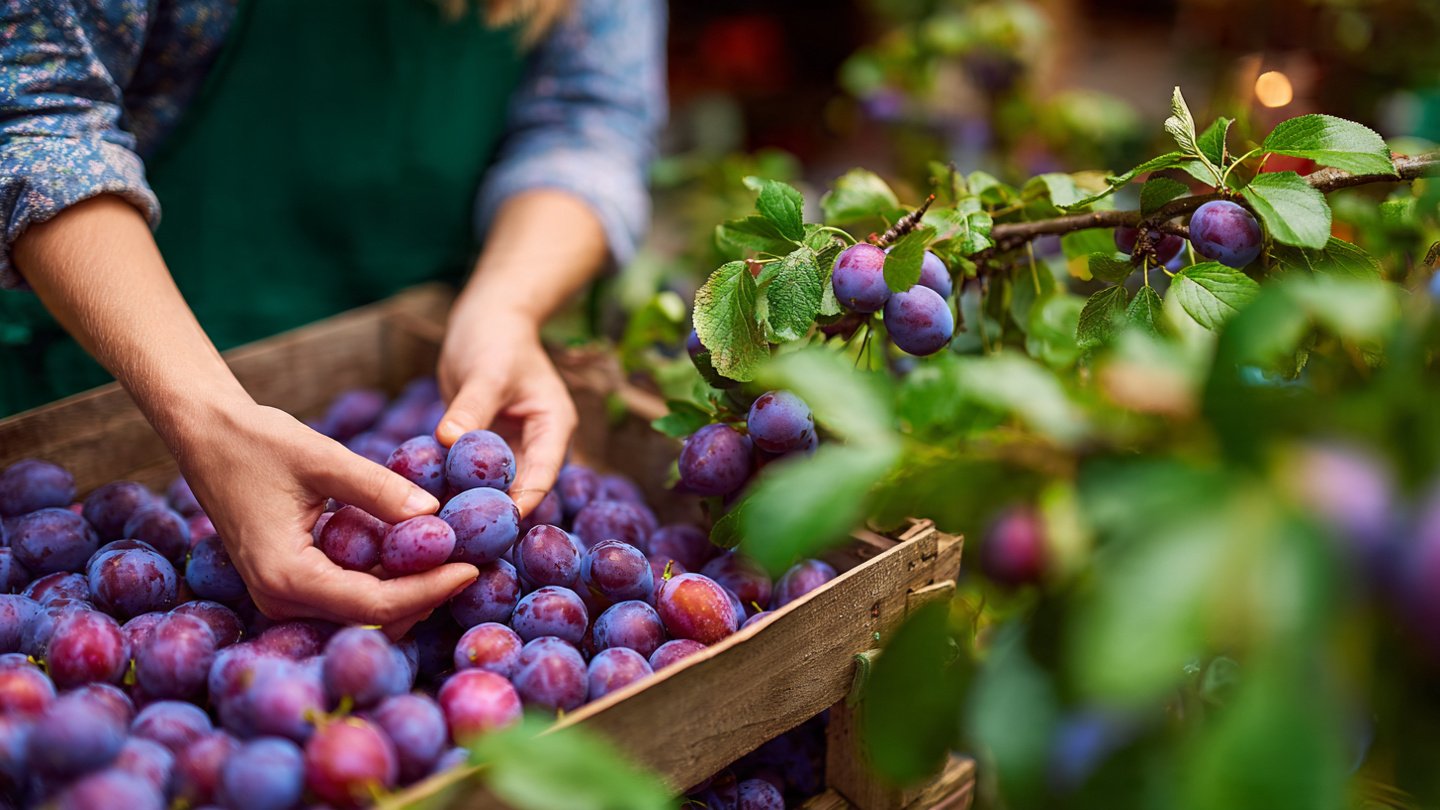
Growing plums in containers is an excellent solution for small space gardening enthusiasts. Whether you live in an apartment with a balcony, have a compact backyard, or simply wish to diversify your garden, container gardening can be a satisfying and fruitful experience. In this guide, we will explore everything you need to know about growing plums in containers, from choosing the right variety to harvesting the fruits of your labor.
1. Why Grow Plums in Containers?
Container gardening offers several advantages, particularly for those with limited space:
- Mobility: You can easily move plants to follow the sun or protect them from harsh weather.
- Soil Control: You can customize the soil in your container to meet the specific needs of your plum tree.
- Space Efficiency: Containers can fit on patios, balconies, or even small yards.
- Aesthetic Appeal: Potted fruit trees can enhance the beauty of your outdoor space.
2. Choosing the Right Plum Variety
Not all plum varieties are suited for container growth. When choosing a plum tree, consider these compact or dwarf varieties:
- Mikado: This Japanese plum is semi-dwarf, growing to about 6-8 feet tall and wide. It produces sweet, juicy fruits and is self-pollinating.
- Santa Rosa: Known for its flavorful, juicy plums, this variety also grows well in containers, reaching about 8-10 feet in height and is partially self-fertile.
- Beauty: This small tree bears sweet, red-skinned plums and can thrive in limited spaces, often reaching about 6-8 feet.
- Satsuma: Another excellent choice for small spaces, these trees can produce abundant crops of sweet plums, often growing to about 6-8 feet.
3. Selecting the Right Container
The container you choose will significantly influence the growth and health of your plum tree. Here are some key considerations:
- Size: For young plum trees, a container that is at least 18 to 24 inches in diameter and deep is essential. As they mature, your tree may require a larger container of at least 20 gallons.
- Material: Terra cotta, ceramic, and plastic are common choices. Ensure that the container has drainage holes to prevent root rot.
- Weight: Keep in mind that larger containers will be heavy when filled with soil. You may want to use a lightweight potting mix specifically designed for containers.
4. Soil Mix and Fertilization
Plum trees thrive in well-draining, nutrient-rich soil. Here’s how to prepare the ideal soil mix:
- Ingredients: A mix of peat moss, perlite, and compost works well. This combination offers good drainage while retaining moisture and nutrients.
- Fertilization: Use a slow-release, balanced fertilizer (such as 10-10-10) in early spring and again mid-summer. Follow the manufacturer’s recommended dosage.
5. Planting Your Plum Tree
Once you have everything ready, it’s time to plant. Here’s a step-by-step guide:
- Water the Tree: If your plum tree is in a nursery pot, water it thoroughly a day before planting.
- Prepare the Container: Fill your container with the prepared soil mix, leaving about 2-3 inches of space from the top.
- Planting Depth: Make a small hole in the center and remove the tree from its nursery container. Place it in the hole, ensuring the root ball is level with the soil surface.
- Backfill and Water: Fill in around the root ball with soil and gently firm it down. Water thoroughly to eliminate air pockets.
6. Care and Maintenance
Watering
Plum trees prefer consistent moisture, so regular watering is crucial:
- Frequency: Water deeply when the top 1 inch of soil feels dry. During hot weather, you may need to water every few days or even daily.
- Avoid Overwatering: Ensure the container drains well. Overwatering can lead to root rot.
Pruning
Pruning helps maintain the shape and encourages healthy growth:
- When to Prune: Late winter or early spring is the best time for pruning before new growth begins.
- How to Prune: Remove any dead or crowded branches. Aim for an open center to allow airflow and sunlight penetration.
Pest and Disease Control
Keep an eye out for common pests such as aphids and spider mites:
- Prevention: Regularly inspect your trees, and use organic insecticidal soap if you notice any pests.
- Diseases: Plum trees can be susceptible to brown rot and powdery mildew. Ensure plenty of air circulation and adequate sunlight to minimize risks.
7. Pollination Needs
While some plum varieties are self-pollinating, others may require a pollinator to produce fruit. If you are growing a variety that requires pollination:
- Include Another Plum Variety: Plant a second compatible plum tree nearby for cross-pollination.
- Consider Pollinators: Bee and insect populations can affect pollination, so planting flowers nearby can help attract them.
8. Harvesting Plums
The wait is worth it! Here’s how to know when your plums are ready to be picked:
- Color and Firmness: Ripe plums will change color based on the variety and yield slightly to gentle pressure.
- Timing: Generally, plums are ready for harvest in late summer to early fall, depending on the specific type and your climate.
9. Winter Care
Protecting your plum tree during the winter months is essential, especially in harsher climates:
- Insulation: Move pots closer to the home or wrap them with frost cloth.
- Mulching: Add mulch on top of the soil to protect roots from freezing temperatures.
FAQs
1. Can I grow plums in a small container?
Yes! Dwarf or semi-dwarf varieties are ideal for container gardening. Ensure your container is at least 18-24 inches in diameter and deep.
2. How much sunlight do plum trees need?
Plum trees require full sun, meaning they should receive at least 6-8 hours of direct sunlight daily.
3. Do I need two plum trees for cross-pollination?
Not all varieties require a second tree, but many benefit from cross-pollination for better fruit production. Check the specific needs of the variety you choose.
4. What type of fertilizer should I use?
A balanced, slow-release fertilizer like 10-10-10 is ideal. Follow the recommended dosage for the age and size of your tree.
5. How often should I water my container plum tree?
Water deeply when the top inch of soil is dry. During hot weather, you may need to water more frequently.
6. When do plums typically ripen?
Plums generally ripen from late summer to early fall, depending on the variety and your climate.
7. Can I grow plums indoors?
While it’s possible to grow dwarf varieties indoors, they require supplemental light and frequent attention. Outdoors is preferable for optimal fruit production.
Conclusion
Growing plums in containers offers a wonderful opportunity for small space gardening enthusiasts to enjoy fresh, home-grown fruit. By carefully selecting the right variety, providing proper care, and being mindful of pollination needs, you can successfully cultivate your own delicious plums. With a little patience and dedication, you will be rewarded with a bountiful harvest that brightens your meals and sharable delights for friends and family. Happy gardening!