Introduction
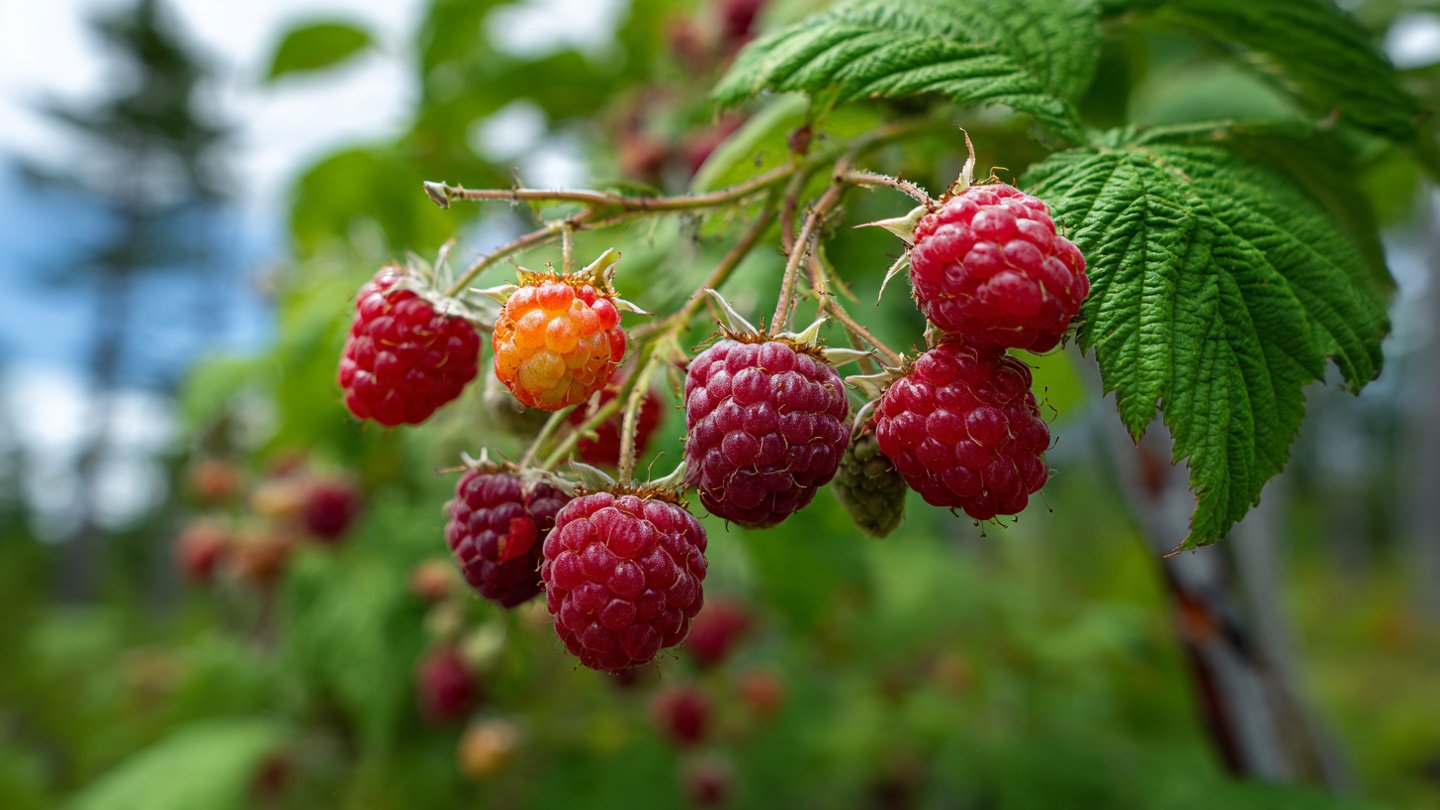
Raspberry cultivation has been a popular choice for Canadian gardeners and farmers alike due to the fruit’s adaptability and high market value. Among the various types of raspberries, early ripening varieties offer the advantage of harvesting berries earlier in the season, often resulting in a more lucrative yield. This article explores effective techniques for growing early ripening raspberries in Canadian climates, covering soil preparation, planting methods, care routines, pest management, and more.
1. Selecting the Right Variety
The first step to successful raspberry cultivation is selecting the right variety. Some early ripening raspberry cultivars suitable for Canadian climates include:
- Heritage: A fall-bearing variety that produces fruit in mid-summer and again in the fall. It’s known for disease resistance and good flavor.
- Nova: A high-yielding summer variety that ripens early and is particularly cold-hardy, making it ideal for most regions in Canada.
- Killarney: Recognized for its hardiness and exceptional fruit quality, this type ripens early and is popular among local growers.
- Fall Gold: This yellow raspberry variety is also fall-bearing and known for its sweet flavor and can provide an early harvest.
Selecting the right variety based on your specific climate zone is essential for success.
2. Site Selection
Choosing the right site is crucial for raspberry growth. Raspberries thrive in well-drained soil and need full sun for at least six to eight hours a day. Here’s what to look for:
- Soil Conditions: Ideally, raspberry plants prefer sandy loam enriched with organic matter. A soil pH between 5.5 and 6.5 is optimal.
- Drainage: Avoid low-lying areas where water tends to accumulate, as excessive moisture can lead to root rot.
- Air Circulation: Good airflow helps reduce the incidence of diseases and pests. Consider positioning your raspberry patch in a location protected from strong winds but still open to breezes.
3. Soil Preparation
Before planting, it’s important to prepare the soil adequately:
- Testing: Conduct a soil test to determine nutrient levels and pH. Amend the soil as necessary to achieve the desired pH and nutrient balance.
- Amendments: Incorporate well-rotted compost or aged manure to improve soil structure and nutrient content. This can enhance water retention and promote healthy root development.
- Tilling: Till the soil to a depth of at least 12 inches to break up compacted layers and create a favorable environment for root growth.
4. Planting Techniques
Once the site is prepared, it’s time to plant:
- Timing: The best time to plant raspberries in Canada is in early spring, after the last frost. This allows the plants to establish roots before the heat of summer.
- Spacing: Space raspberry plants about 18 to 24 inches apart in rows, which should be 5 to 6 feet apart. This spacing allows adequate sunlight and air circulation while facilitating easy maintenance.
- Planting Depth: When planting, ensure that the root crown is just at soil level. Planting too deep can lead to rot, while planting too shallow may result in poor root establishment.
5. Watering and Maintenance
Maintaining adequate soil moisture is vital for early ripening raspberries, especially during the critical fruit setting and ripening stages:
- Irrigation: Implement a drip irrigation system for efficient water delivery without wetting the foliage, which helps minimize disease risks. Raspberries need approximately 1 inch of water per week.
- Mulching: Applying a layer of organic mulch can help conserve moisture, suppress weeds, and maintain a consistent soil temperature. Consider using straw or wood chips.
6. Fertilization
Proper nutrition is essential for vigorous growth and fruit production:
- Pre-Planting Fertility: Before planting, incorporate a balanced fertilizer into the soil; a fertilizer with a ratio of 10-10-10 works well.
- Post-Planting: After the plants begin to grow (around late spring), use a nitrogen-rich fertilizer like urea or ammonium nitrate. Follow manufacturer guidelines to avoid over-fertilization.
7. Pruning Techniques
Pruning is crucial for maintaining plant health, controlling the size, and maximizing yields:
- Timing: Late winter is the ideal time to prune dormant raspberry canes. Removing dead or weak canes promotes air circulation and allows more sunlight to reach the remaining canes.
- Methods: For summer-bearing varieties, cut back last year’s growth to the ground after the harvest. For ever-bearing types, tip prune in summer, cutting back some of the new canes to encourage lateral growth.
8. Pest and Disease Management
Maintaining plant health is imperative to ward off pests and diseases:
- Common Pests: Aphids, spider mites, and raspberry beetles can affect raspberry plants. Regularly monitor for signs of infestation and treat with insecticidal soap or neem oil as necessary.
- Diseases: Fungal diseases such as powdery mildew and root rot can be problematic. Proper spacing, pruning for air circulation, and appropriate watering practices can help minimize disease risks.
- Regular Inspection: Regularly inspect your plants for any signs of distress, and intervene early to prevent potential infestations or diseases.
9. Harvesting Techniques
Once the berries begin to ripen, proper harvesting techniques become important:
- Timing: Harvest raspberries when they are fully colored and slightly soft to the touch. Picking in the morning when temperatures are cooler can help maintain quality.
- Technique: Gently twist the berry to detach it from the stem, ensuring that you do not damage the plant. Use shallow containers to prevent crushing the berries during transport.
10. Winter Preparation
In Canada, winter dormancy is significant for raspberry plants:
- Mulching: Apply a thick layer of mulch (6-12 inches) around the plants before the ground freezes. This helps insulate the roots against extreme cold.
- Cane Protection: For susceptible varieties, consider bending the canes down and covering them with mulch or straw to provide additional insulation.
Conclusion
Growing early ripening raspberries in Canadian climates requires careful planning and attention to detail. By selecting the right varieties, preparing the soil, and maintaining proper care routines, gardeners can achieve bountiful harvests. The aforementioned techniques, from site selection to winter preparation, provide a comprehensive approach to successful raspberry cultivation.
With proper knowledge and resources, you can enjoy the pleasure of fresh, home-grown raspberries well into the summer, contributing not only to culinary delights but also to the Canadian agricultural landscape.
FAQs
1. What are the best raspberry varieties for Canadian climates?
- Suitable varieties include Heritage, Nova, Killarney, and Fall Gold.
2. When is the best time to plant raspberries?
- The ideal time is early spring, after the last frost.
3. How much sunlight do raspberry plants need?
- Raspberries thrive in full sun, requiring at least six to eight hours of direct sunlight.
4. How often should I water my raspberry plants?
- Aim for approximately 1 inch of water per week, adjusting based on rainfall and soil moisture levels.
5. What kind of fertilizer is best for raspberries?
- A balanced fertilizer (10-10-10) is good pre-planting, while a nitrogen-rich fertilizer can be used during the growing season.
6. How do I prevent pests and diseases in my raspberry plants?
- Regular monitoring, proper plant spacing, and strategic watering can all help minimize risks. Consider using insecticidal soap or neem oil for treatment.
7. When should I harvest my raspberries?
- Harvest when berries are fully colored and slightly soft to touch, ideally in the morning.
8. How can I protect my raspberries from winter cold?
- Apply a thick layer of mulch and consider bending canes down and covering them for added insulation.