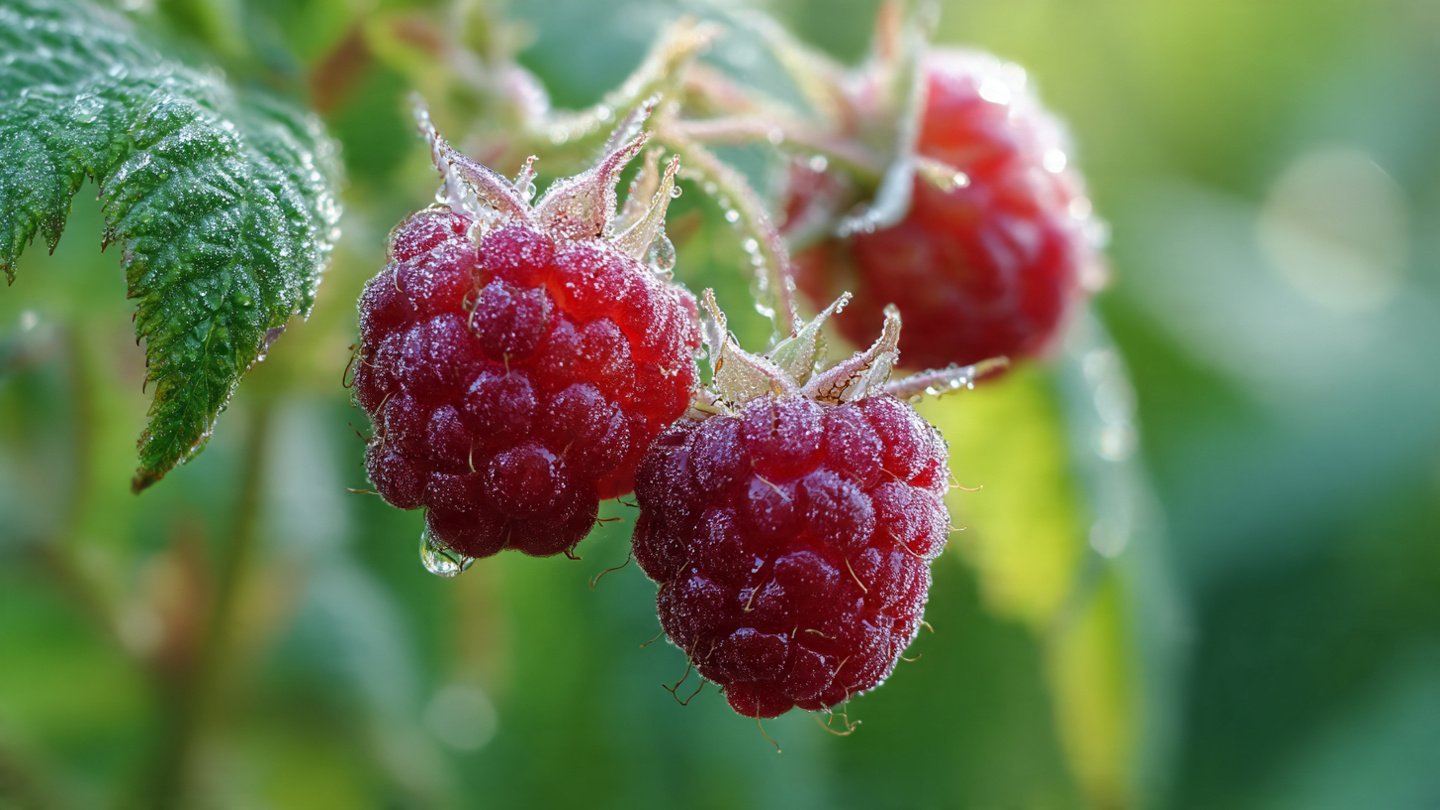
Growing raspberries can be a rewarding experience, especially in the cool, temperate climates of Canada. Early ripening varieties are particularly popular, as they yield sweet, juicy fruits that can be enjoyed fresh, frozen, or made into delicious preserves. This article covers effective techniques for cultivating early ripening raspberries specifically tailored for Canadian climates, ensuring a bountiful harvest.
Understanding Raspberry Varieties
Before diving into cultivation techniques, it’s important to recognize the different varieties available. In Canada, the most popular early ripening raspberries include:
- Nova: A high-yielding variety known for its sweetness and disease resistance.
- Canby: Berries are large, firm, and ideal for fresh eating and freezing.
- Heritage: This everbearing variety produces raspberries early in the season and throughout the summer.
Selecting a variety suited to your region is critical, as some raspberries may thrive better in specific soil types or climates.
Choosing the Right Location
Sunlight
Raspberries require plenty of sunlight—ideally, 6-8 hours of direct sunlight each day. A south-facing slope can help maximize this exposure, but avoid overly hot microclimates that might stress the plants.
Soil Type
Raspberries prefer well-draining, sandy loam with a pH of 5.5 to 6.5. To test your soil, use a home testing kit. If your soil is too acidic, adding lime can help adjust the pH. To improve drainage, incorporate organic matter such as compost or aged manure.
Space and Airflow
Adequate spacing between plants (about 18-24 inches) allows for proper air circulation, reducing the risk of fungal diseases. A row spacing of 5-6 feet is optimal for easy maintenance and harvesting.
Preparing the Soil
Proper soil preparation is essential for healthy plants. Consider the following steps:
- Clear the Area: Remove weeds and debris from the planting area.
- Test the Soil: Use a soil test kit to determine nutrient levels and pH.
- Amend the Soil: Depending on test results, amend your soil with organic matter, nitrogen-rich fertilizers, or lime to create an ideal environment for raspberry growth.
- Tillage: Turn the soil to a depth of 12-15 inches, allowing amendments to mix well.
Planting Techniques
Timing
The best time to plant raspberries in Canada is in early spring or late fall. Early spring planting allows roots to establish before summer heat, while fall planting gives them a head start in spring.
Planting Distance
When planting your raspberry canes, space them 18-24 inches apart in rows that are 5-6 feet apart. This spacing provides adequate airflow and allows for mobility when pruning and harvesting.
Planting Method
- Dig a Hole: Make a hole about 12 inches deep and wide enough to accommodate the roots.
- Place the Plant: Position the plant so that the crown (where roots meet the stem) is level with the soil surface.
- Fill and Water: Fill the hole with soil, pressing down gently to eliminate air pockets. Water thoroughly after planting.
Care and Maintenance
Watering
Raspberries require consistent moisture, especially during fruiting. Water plants deeply once a week, ensuring the soil remains moist but not soggy. Drip irrigation systems are an efficient method to maintain moisture levels while conserving water.
Mulching
Applying a layer of organic mulch (3-4 inches) helps retain soil moisture, suppress weeds, and regulate temperature. Straw, wood chips, or shredded leaves work well for this purpose.
Fertilization
Fertility is crucial for producing healthy plants. In early spring, apply a balanced, slow-release fertilizer or compost. Monitor plant growth, and side-dress with additional fertilizer if necessary.
Pruning
Pruning is essential for encouraging healthy growth and fruit production. Here’s a basic guide:
- Fall-Bearing Varieties: Canes should be pruned to ground level after the fruiting period. This encourages new growth for the following season.
- Summer-Bearing Varieties: After harvesting, remove any dead or diseased canes and trim remaining canes to maintain a manageable height and increase air circulation.
Pest and Disease Management
Raspberries can be susceptible to certain pests and diseases. Here are common issues and their remedies:
- Spider Mites: Monitor for webbing and use insecticidal soap or neem oil to control.
- Raspberry Beetles: Handpicking during early morning hours can minimize infestations.
- Fungal Diseases: Maintain proper spacing and airflow, and apply fungicide as needed.
Harvesting
Raspberries should be harvested when they’re fully colored and can be easily removed from the stem. Here are some tips for a successful harvest:
- Timing: Early morning is the best time to harvest to avoid heat stress on the fruits.
- Gentle Handling: Raspberries are delicate; handle them with care to prevent squashing.
- Storage: Store fresh raspberries in a cool, dry place. For longer storage, freeze them flat on a baking sheet before transferring to airtight containers.
Extending the Growing Season
To maximize your raspberry crop, consider these techniques for extending the growing season:
Choosing Tunnel Systems
Row covers or high tunnels can protect early ripening varieties from cold temperatures and frost while allowing for earlier planting.
Seasonal Management
Monitor local weather conditions to make informed decisions about adding protective coverings during unexpected cold snaps.
FAQs
1. What is the best time to plant raspberries in Canada?
The best time to plant raspberries is in early spring or late fall, allowing roots to establish before summer heat.
2. How much sun do raspberry plants need?
Raspberries require at least 6-8 hours of direct sunlight each day for optimal growth and fruiting.
3. What type of soil is best for raspberry plants?
Raspberries prefer well-draining sandy loam with a pH of 5.5 to 6.5. Adding organic matter and ensuring good drainage is crucial.
4. How do I know when raspberries are ripe for harvesting?
Raspberries are ripe when they are fully colored and easily detach from the stem. Harvest them gently to avoid bruising.
5. How can I protect my raspberries from pests?
Monitor regularly for common pests like spider mites and raspberry beetles. Use organic pest control methods like insecticidal soap, and practice proper hygiene in the garden.
6. Can I grow raspberries in containers?
Yes, raspberries can be successfully grown in containers. Choose a large pot with adequate drainage, and be diligent about watering and fertilizing.
7. How do I overwinter my raspberry plants?
Mulch around the base of the plants to insulate them during winter, and consider covering them with burlap or frost cloth if extreme cold is anticipated.
Conclusion
Growing early ripening raspberries in Canadian climates involves careful planning, attentive care, and effective techniques tailored to the local environment. By choosing the right varieties, preparing the soil properly, and implementing good cultivation practices, you can enjoy a bountiful harvest of sweet, delicious raspberries that can be cherished throughout the year. With judicious pest management and seasonal adaptations, your raspberry patch can thrive in even the most challenging conditions. Happy gardening!