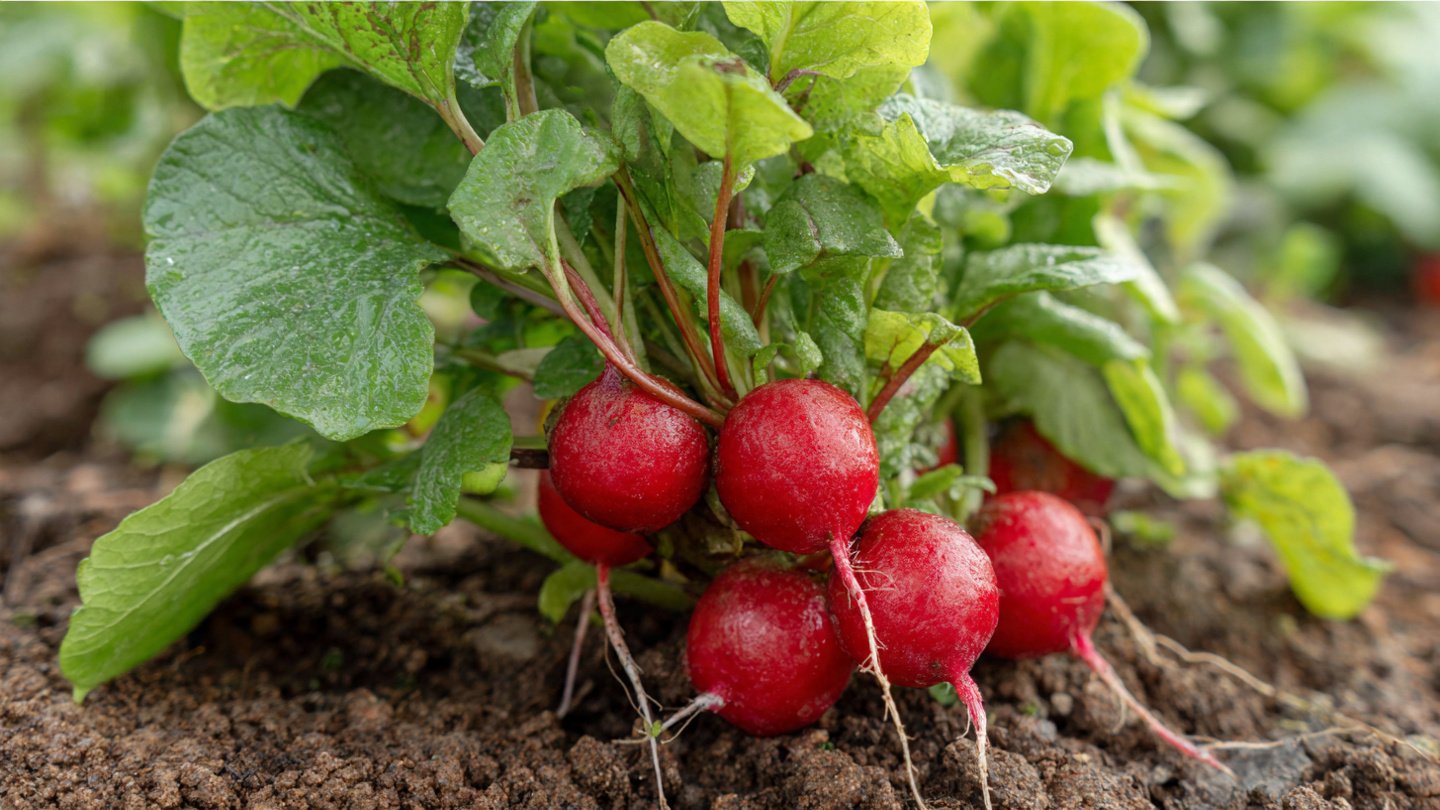
Growing radishes can be one of the most satisfying experiences for a gardener. These fast-growing vegetables, boasting a crisp texture and peppery flavor, are perfect for beginners and seasoned horticulturists alike. In this article, we will explore easy ways to grow radishes, emphasizing techniques for quick harvest results, while also addressing common questions in a dedicated FAQ section.
Understanding Radishes
Radishes belong to the Brassicaceae family, which includes vegetables such as broccoli, kale, and cabbage. They are available in numerous varieties, distinguished by their size, shape, and color. Common types include:
- Red Globe Radish: The classic variety with a round shape and a bright red skin.
- Cherry Belle: A popular choice for beginners, known for its vibrant color and crisp taste.
- Black Radish: A larger, daikon-shaped radish with a sharp flavor.
- French Breakfast: An heirloom variety that is elongated and mild in taste, often showing a delightful bi-color skin.
Benefits of Growing Radishes
- Quick Growth: Radishes can be harvested in as little as 25-30 days from sowing, making them one of the fastest-growing vegetables.
- Nutrient-Rich: Radishes are low in calories and high in Vitamin C, potassium, and antioxidants.
- Easy to Grow: They thrive in a variety of soil types and can be planted in different seasons, making them accessible for many gardeners.
- Soil Health: Radishes can improve soil structure and provide benefits to subsequent crops due to their unique root system.
Preparing the Garden
Choose the Right Location
Select a spot in your garden that receives at least 6-8 hours of sunlight each day. Radishes can tolerate partial shade but growing them in full sun will enhance their flavor and growth.
Soil Preparation
- Soil Type: Radishes prefer well-draining soil with a pH between 6.0 and 7.0. Sandy or loamy types work best.
- Amendments: Incorporate organic matter such as compost to enhance soil fertility and drainage. This will provide essential nutrients and improve soil structure.
Bed Preparation
- Depth: Break up the soil to a depth of at least 12 inches to allow room for root expansion.
- Furrowing: Create rows or furrows about 12-18 inches apart. This will make it easier to sow seeds and manage weeds.
Choosing the Right Varieties for Quick Harvest
Fast-Maturing Varieties
To achieve quick results, select varieties known for their rapid growth. Cherry Belle, for example, can be harvested within 25-30 days of sowing, making it ideal for impatient gardeners.
Sowing Radish Seeds
Timing
Radishes can be sown in early spring or fall, as they thrive in cooler weather. In regions with mild winters, you can even sow them in winter for an early spring harvest.
Seed Depth and Spacing
- Depth: Plant seeds about ½ inch deep.
- Spacing: Space seeds 1-2 inches apart in the row, thinning them later to 2-3 inches apart once they sprout.
Watering
Keep the soil consistently moist but not soggy. If the soil dries out, it can cause the radishes to become tough and bitter. A consistent watering schedule will promote even growth.
Caring for Your Radishes
Thinning
After seedlings have sprouted to about 2 inches tall, thin them to avoid overcrowding. Proper spacing allows for better air circulation and root development, which ultimately leads to healthier radishes.
Weeding
Weeds can compete for sunlight, nutrients, and moisture, hampering your radishes’ growth. Regular maintenance and weeding will ensure that your radishes thrive. Use mulch to suppress weed growth while retaining soil moisture.
Fertilizing
Radishes generally do not require extensive fertilization, but a light application of a balanced, slow-release fertilizer can enhance growth. Avoid high-nitrogen fertilizers, as they can lead to excessive leaf growth at the expense of root development.
Pest Management
Radishes face minimal pest issues, but watch for common pests like aphids and flea beetles. Use horticultural soap or neem oil to manage outbreaks. Additionally, consider companion planting with herbs like dill or sage to deter pests naturally.
Harvesting Radishes
Signs of Readiness
Radishes are typically ready for harvest once they reach the size of a golf ball, although different varieties will have their own ideal sizes. Check your seed packet for specific information on the variety you’ve planted. Signs that they are ready for harvest include:
- Visible roots above the soil line.
- A firm feel when gently pressed.
- The tops of the radishes emerging above the soil surface.
Harvesting Technique
- Timing: Harvest radishes in the morning or evening when temperatures are cooler to maintain crispness.
- Method: Gently pull the radishes from the ground, twisting to dislodge them if necessary. Avoid using a fork or shovel to prevent bruising.
Storing Radishes
- Remove Greens: Cut the greens off the radishes to prevent moisture loss and keep the roots fresh.
- Washing: Clean the radishes under running water. Allow them to dry before storing.
- Storage Method: Store radishes in a perforated plastic bag in the refrigerator. They can last up to two weeks when stored properly.
Succession Planting
To enjoy a continuous harvest, consider succession planting. Sow new seeds every two weeks to ensure a steady supply of fresh radishes throughout the growing season. By staggering your plantings, you can enjoy the delights of freshly harvested radishes from spring through fall.
FAQs
1. What are the best growing conditions for radishes?
Radishes thrive in well-draining, loamy soil with a pH level between 6.0 and 7.0. They prefer full sun but can tolerate partial shade. Consistent moisture is crucial for optimal growth.
2. How often should I water my radishes?
Radishes require consistent moisture but should not be waterlogged. Aim for about an inch of water per week, adjusting depending on your climate.
3. Can I grow radishes in containers?
Yes! Radishes can be grown in containers as long as they are deep enough (about 12 inches) to allow for root development. Ensure adequate drainage.
4. Why do my radishes have a bitter taste?
Bitter radishes can result from inconsistent watering, overcrowding, or harvesting too late. Make sure to thin plants properly and maintain consistent soil moisture.
5. How can I prevent pests from eating my radishes?
Use companion planting and natural deterrents like neem oil or insecticidal soap. Regularly inspecting your plants will help you catch infestations early.
6. How long does it take for different radish varieties to mature?
Most radish varieties take between 25 to 60 days to mature, depending on the type. Fast-growing types like Cherry Belle can be harvested in around 25-30 days, while larger varieties like Black Radish may take longer.
Conclusion
Growing radishes is a rewarding experience that can yield delicious, fresh vegetables in a short amount of time. By selecting the right varieties, ensuring optimal growing conditions, and implementing simple care techniques, you can enjoy a bountiful harvest in just a few weeks. Whether you’re a novice gardener or a seasoned pro, radishes are an excellent choice for adding some quick color and flavor to your garden. Happy gardening!