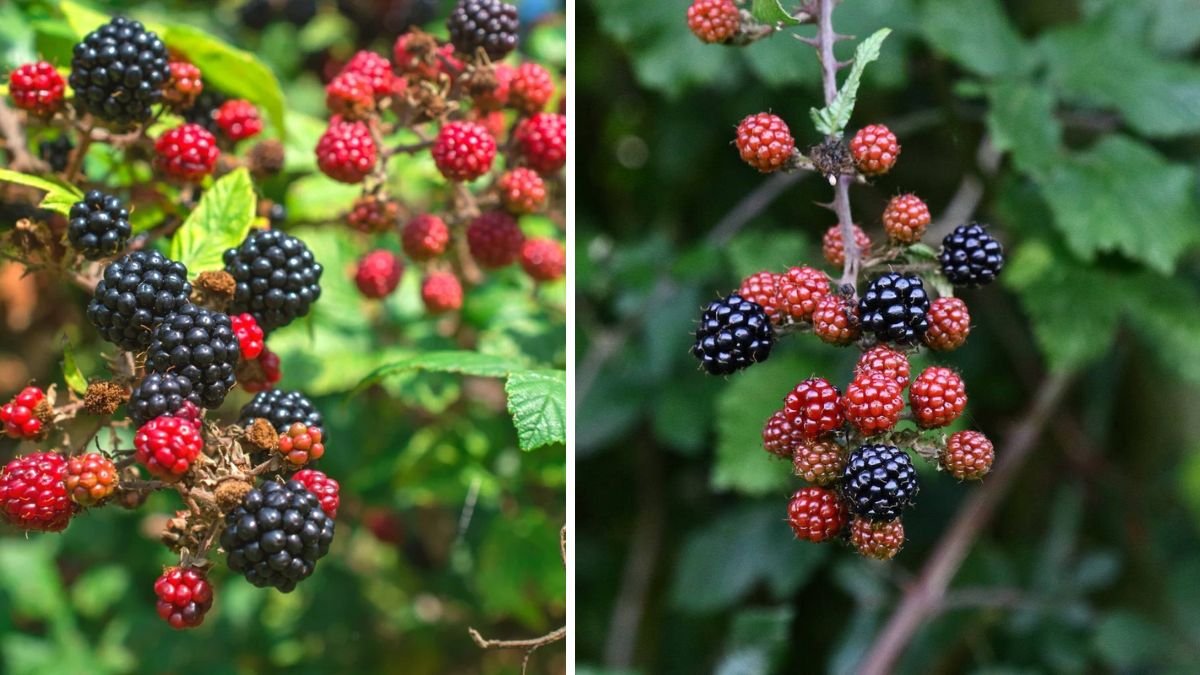
Growing blackberries can be a rewarding endeavor, especially for those living in colder regions where other fruits may struggle to thrive. With the right techniques and understanding of your environment, you can enjoy bountiful harvests of succulent, flavorful blackberries—regardless of the chill in the air. This article will guide you through the essentials of cultivating blackberries in colder climates, providing insights on variety selection, soil preparation, planting methods, and maintenance for maximum yield and flavor.
Understanding Blackberry Varieties
The first step to successfully growing blackberries in cold regions begins with selecting the right variety. While many blackberry plants thrive in warmer climates, certain cultivars are bred specifically to withstand colder temperatures. Here are some cold-hardy varieties to consider:
-
Chester Thornless: This variety is known for its disease resistance and high yield. It tolerates temperatures down to -10°F (-23°C).
-
Navaho: Another thornless option, Navaho is ideal for colder climates and can endure tolerable frost, successfully producing fruit when grown properly.
-
Triple Crown: This is a semi-erect variety that’s vigorous and fruitful, great for northern growers. It produces sweet, large berries.
-
Brazos: This type adapts well to various soil conditions and can survive winter temperatures down to -10°F.
When choosing a variety, consider your local climate, as well as your soil type and space constraints. Always consult local gardening resources or extension services for tailored recommendations.
Soil Preparation
Proper soil preparation is crucial for the health and productivity of blackberry plants. Blackberries thrive in well-drained soils with a pH level between 5.5 and 7.0. Here’s how to prepare the soil for planting:
-
Testing the Soil: Use a soil test kit to determine pH and nutrient levels. Amend the soil based on the results.
-
Soil Composition: Blackberry plants prefer loamy or sandy soil enriched with organic matter. Incorporate well-rotted compost or manure to enhance soil structure and nutrient content.
-
Drainage Considerations: Ensure that your soil drains well to prevent waterlogging. If you have heavy clay soils, consider creating raised beds to improve drainage.
-
Fertilization: Prior to planting, apply a balanced fertilizer according to soil test recommendations. This ensures that your plants receive the necessary nutrients as they establish.
Choosing the Right Location
Blackberries need full sunlight to produce the best yield. When selecting a site for your blackberry garden, consider the following:
-
Sun Exposure: Choose a location that receives at least 6 to 8 hours of direct sunlight daily.
-
Wind Protection: Cold winds can damage young plants. Situate your garden near a natural windbreak like a row of trees or a fence.
-
Accessibility: Make sure your planting area is easily accessible for maintenance, harvesting, and irrigation.
Planting Techniques
The timing and method of planting blackberries are essential for their survival and productivity in cold climates. Here’s a step-by-step guide:
-
Timing: In colder regions, it’s best to plant blackberries in the spring after the threat of frost has passed. This gives plants a full growing season to establish roots before winter.
-
Spacing: Space plants 3 to 4 feet apart in rows that are 6 to 8 feet apart. This ensures good air circulation and accessibility for harvesting.
-
Planting Depth: Dig a hole deep enough to accommodate the roots without bending them. Place the plant in the hole at the same depth it was growing in the nursery, then backfill and firm the soil around the base.
-
Watering: Water the plants thoroughly after planting to help eliminate air pockets and encourage root establishment.
Maintenance for Maximum Yield
Once your blackberries are planted, proper care will ensure a robust harvest. Here are the steps for maintaining your blackberry plants:
1. Watering
Blackberries require consistent moisture, especially during fruit development. Use soaker hoses or drip irrigation systems to provide deep watering while avoiding fungal diseases. In colder regions, be cautious of overwatering, as it can lead to root rot.
2. Fertilization
Fertility is crucial for blackberry plants. After planting, feed them with a balanced fertilizer every spring as new growth begins. A high potassium fertilizer can enhance fruit development.
3. Pruning
Pruning is vital for managing the health and productivity of blackberry plants. The best time to prune is during late winter or early spring before new growth starts. Here are key tips for pruning:
-
Remove Dead Canes: Cut back any canes that have died off to the ground.
-
Thinning: Open up the center of the plant to improve air circulation by thinning out overcrowded canes.
-
Training: For erect varieties, train the canes to a trellis or fence to support growth and improve accessibility during harvesting.
4. Pest and Disease Management
Pest and disease control is an integral part of blackberry growing. Watch for common pests like aphids, spider mites, and berry fruit worms. Employ integrated pest management (IPM) practices that involve regular monitoring and the use of organic treatments when necessary.
Disease management includes:
-
Fungal Diseases: To combat fungal diseases like powdery mildew, ensure proper spacing for air circulation and consider applying fungicides if necessary.
-
Viruses: Keep your planting area clean and remove any infected plants to prevent the spread of viral diseases.
Winter Protection
In colder climates, winter protection is crucial for the health of your blackberry plants. Here are some techniques to ensure their survival:
-
Mulching: Apply a thick layer (4-6 inches) of mulch around the base of your plants to insulate roots and regulate soil temperature.
-
Row Covers: Use floating row covers or frost blankets to protect new growth from extreme cold.
-
Bending Canes: For erect varieties, carefully bend the canes to the ground and cover them with mulch or straw for additional protection.
Harvesting for Flavor
Timing your harvest is essential for flavor. Blackberries should be allowed to fully ripen on the plant for the best taste. Here’s how to know when to harvest:
-
Color Change: Look for a deep, glossy black color; avoid picking fruit that is still red or firm.
-
Ease of Harvest: Ripe blackberries should come off the plant easily when gently tugged. If they require pulling, they may not be ready yet.
-
Taste Test: If you’re unsure, taste a berry. If it’s sweet and juicy, it’s time to harvest!
FAQs
1. Can I grow blackberries in containers?
Yes, blackberries can be grown in containers, especially dwarf varieties. Ensure the container is large enough (at least 5 gallons) and has drainage holes.
2. How long do blackberries take to produce fruit?
Typically, blackberry plants may take one to two years to start bearing fruit, depending on the variety and growing conditions.
3. What is the best fertilizer for blackberries?
A balanced fertilizer with a higher potassium content is best. Look for a fertilizer formulated for fruiting plants.
4. Can I grow blackberries without a trellis?
While it is possible to grow blackberries without a trellis, using one is highly recommended for support, air circulation, and ease of harvesting.
5. How can I tell if my blackberries are ripe?
Ripe blackberries are plump, black, and glossy with a sweet flavor. They should detach easily from the plant when gently pulled.
6. Are blackberries invasive?
Some blackberry varieties can be invasive. Regular maintenance through pruning and managing cane growth can help control their spread.
7. How should I prune my blackberry plants?
Prune blackberry canes in late winter or early spring. Remove dead canes and thin out overcrowded areas to promote air circulation.
By following these detailed guidelines, you can successfully grow blackberries in cold regions, ensuring a hearty yield filled with flavor. Enjoy the fruits of your labor by incorporating these juicy berries into your dishes or savoring them fresh from your garden!