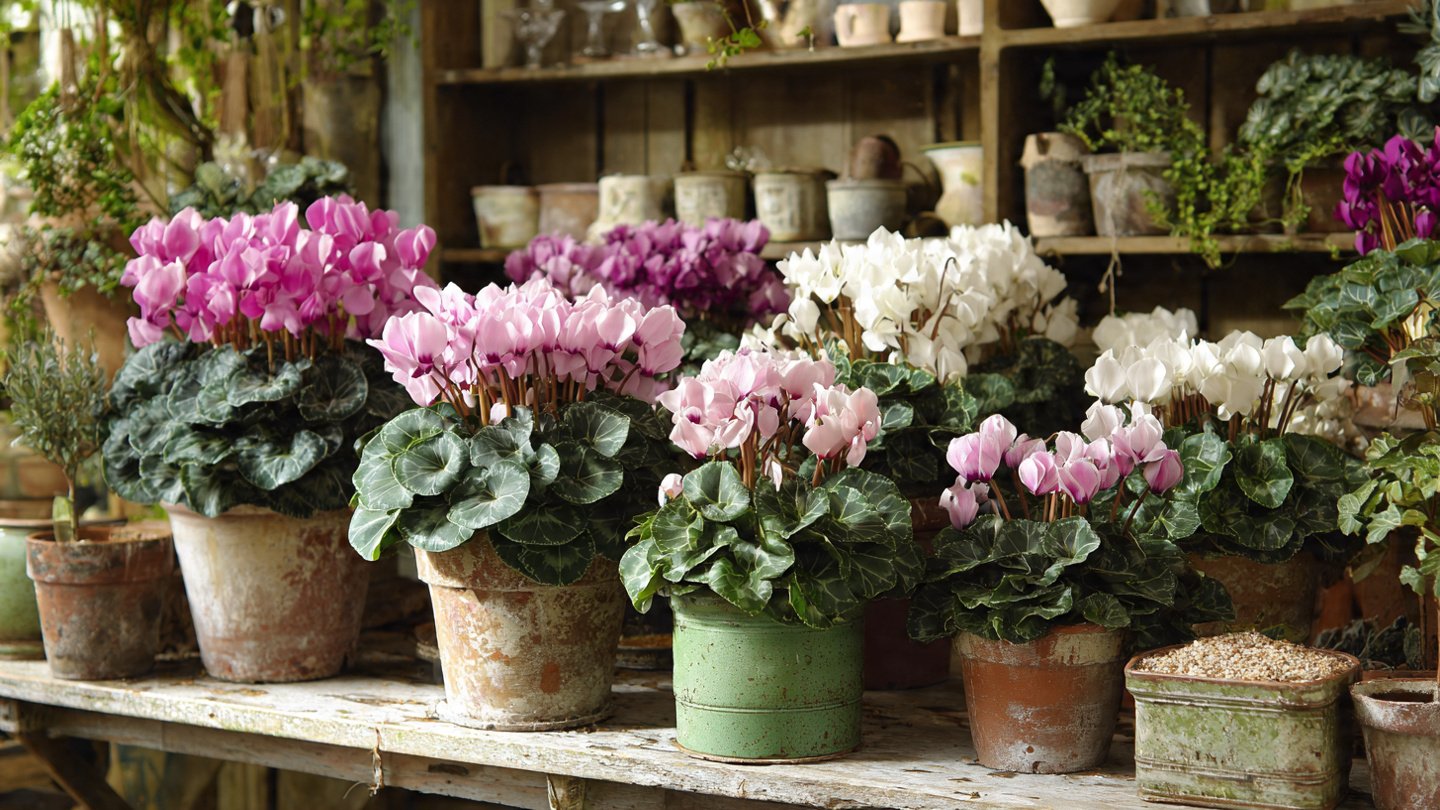
Cyclamen are enchanting, low-maintenance indoor plants that add beauty and vibrancy to any home garden. Their unique heart-shaped leaves and eye-catching blooms, which come in various colors, make them a favorite among indoor gardeners. If you want to learn how to grow cyclamen indoors successfully, this article will provide you with essential steps, tips, and insights to enhance your home gardening experience.
Understanding Cyclamen
Types of Cyclamen
-
Cyclamen persicum: Often known as the Persian cyclamen, this is the most common type of cyclamen grown indoors for its stunning flowers and rich variety of colors.
-
Cyclamen hederifolium: Known as the Ivy-leaved cyclamen, this variety features more subtle blooms and is typically grown outdoors.
For indoor gardening, Cyclamen persicum is your best bet, especially for beginners.
Characteristics
- Flowers: Cyclamen blooms typically come in shades of pink, red, white, and purple.
- Foliage: The leaves are often variegated, featuring patterns that resemble marble.
- Growth Habit: They tend to grow close to the ground, making them suitable for pots or window sills.
Step-by-Step Guide to Growing Cyclamen Indoors
Step 1: Choosing the Right Location
Cyclamen thrive in a cool environment with bright, indirect light. Here are some tips for selecting the right spot:
- Temperature: They prefer temperatures between 60°F and 70°F (15°C – 21°C).
- Light: Place them near a north or east-facing window, where they receive plenty of indirect sunlight. Direct sunlight can scorch their leaves.
Step 2: Selecting the Right Container
Choosing the correct pot is crucial for a healthy cyclamen plant. Consider these factors:
- Drainage: Ensure that the pot has drainage holes at the bottom to prevent waterlogging and root rot.
- Size: A pot about 6–8 inches in diameter is usually sufficient for most cyclamen.
Step 3: Using the Right Soil
Cyclamen require well-draining soil to prevent excess moisture around the roots. Here’s what to look for:
- Type of Soil: A commercial potting mix formulated for houseplants or a mix of peat moss, perlite, and vermiculite is ideal.
- Preparation: You can also amend the potting mix with some sand for additional drainage.
Step 4: Watering Properly
Watering cyclamen can be tricky, but it’s essential for their health. Here’s how to do it right:
- Frequency: Water when the top inch of soil feels dry. Cyclamen prefer to be on the drier side, especially during their dormant period.
- Technique: Water the plant from the bottom to avoid wetting the tuber. You can do this by placing the pot in a saucer of water for 30-40 minutes, allowing the soil to absorb moisture.
Step 5: Fertilizing
To ensure your cyclamen blooms beautifully, proper fertilization is key.
- Type of Fertilizer: Use a balanced, water-soluble fertilizer with equal parts nitrogen, phosphorus, and potassium (e.g., 20-20-20).
- Frequency: Fertilize every 2-4 weeks during the growing season (fall and winter) and withhold fertilizer during dormancy.
Step 6: Managing Temperature and Humidity
Cyclamen prefer cool, humid environments, conditions that might not naturally occur indoors.
- Humidity: To increase humidity, place a pebble tray filled with water under the pot without letting the bottom of the pot sit directly in the water.
- Avoid Heat Sources: Keep cyclamen away from radiators, heaters, and drafts, as they dislike fluctuating temperatures.
Step 7: Pruning and Grooming
Regular grooming will keep your cyclamen healthy:
- Deadheading: Remove spent flowers to encourage further blooming.
- Leaf Care: Occasionally wipe down leaves with a damp cloth to remove dust and maintain their vibrant appearance.
Step 8: Recognizing Dormancy
Cyclamen have a natural dormant period that usually begins after their blooming season ends. Recognizing and managing dormancy is crucial:
- Signs: Leaves will begin to yellow and die back. This process is entirely normal.
- Care During Dormancy: Reduce watering but do not let the tuber dry out completely. Store the pot in a cool, darker place.
Step 9: Re-potting
Re-potting is generally required every 1-2 years, especially if the plant becomes root-bound.
- Timing: The best time to re-pot is just before the growing season begins.
- Technique: Gently remove the plant from the pot, refresh the soil, and place it in a larger pot while ensuring the tuber is partially above the soil line.
Step 10: Pest Control
While cyclamen are relatively pest-resistant, they can occasionally attract pests. Here are some common ones to watch for:
- Common Pests: Aphids, spider mites, and mealybugs.
- Control Methods: Use insecticidal soap or neem oil to treat infestations. Regular misting can also deter spider mites.
FAQs
Q1: How long do cyclamen flowers last?
A1: Cyclamen flowers can last for several weeks, typically blooming from late fall to early spring.
Q2: Why are my cyclamen leaves turning yellow?
A2: Yellowing leaves can indicate that the plant is either overwatered or approaching dormancy.
Q3: Can cyclamen be propagated?
A3: Yes, cyclamen can be propagated by separating offsets (bulb-like structures) during re-potting.
Q4: What should I do if my cyclamen isn’t blooming?
A4: Ensure it has the right light, temperature, and watering conditions. A lack of nutrients may also hinder blooming, so consider fertilizing appropriately.
Q5: How can I ensure my cyclamen stays healthy throughout the year?
A5: Establish and maintain a consistent care routine, focusing on proper light, watering, and humidity levels, and lowering water during dormancy.
Q6: Can cyclamen be kept outdoors?
A6: While some varieties can thrive outdoors, Cyclamen persicum is best suited for indoor conditions.
Conclusion
Growing cyclamen indoors is both gratifying and enriching, allowing you to enjoy beautiful blooms and unique foliage throughout the year. By following the steps outlined in this guide and paying close attention to the needs of your cyclamen, you can create a vibrant home garden experience that uplifts your living space. Happy gardening!