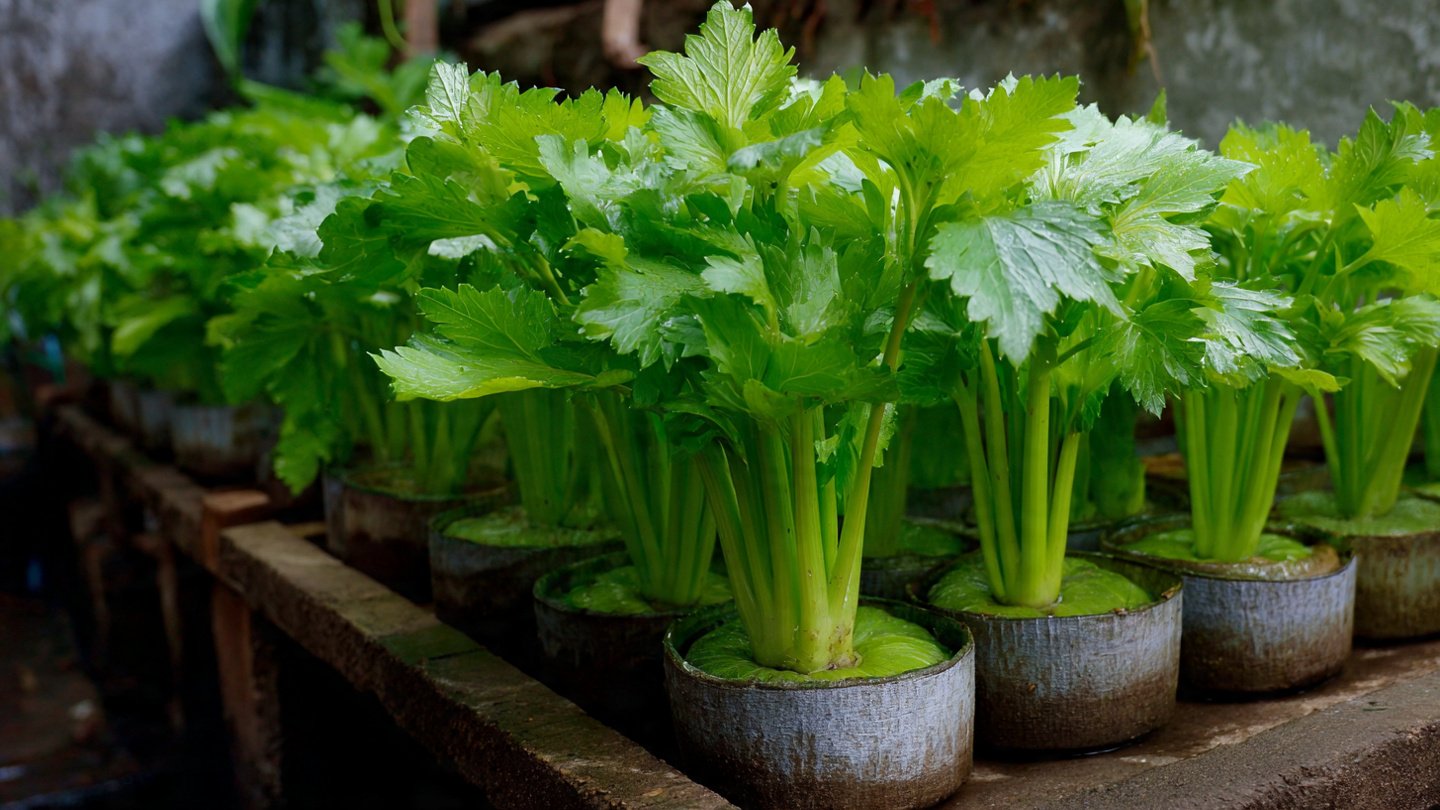
Growing celery can seem daunting, especially for beginners, but with the right approach, it’s a rewarding endeavor. Celery is a versatile vegetable that can enhance salads, soups, and many dishes. One of the best parts? You don’t need a large garden to grow it; shallow pots on your balcony or kitchen windowsill will do just fine. Let’s dive into the easy steps you can take to successfully grow celery in shallow pots at home.
Why Grow Celery?
Before we delve into the how-to aspects, let’s explore why growing celery is a great choice:
- Freshness: There’s nothing quite like fresh celery straight from your own garden.
- Health Benefits: Celery is low in calories and high in vitamins A, C, and K, as well as minerals like potassium.
- Cost-Effective: Growing your own celery saves money compared to store-bought options, especially if you use it frequently.
Choosing the Right Pot
Size and Depth
Celery has a relatively shallow root system, making it easy to grow in pots that are at least 6-12 inches deep. Opt for pots that are 12-18 inches wide to accommodate multiple plants. Terracotta, plastic, or even biodegradable pots can be used.
Drainage
Ensure that your pots have adequate drainage holes. Celery thrives in moist but not waterlogged soil. By allowing excess water to escape, you can prevent root rot.
Selecting the Right Soil
Quality Matters
Use a high-quality potting mix that retains moisture but drains well. A mix with good organic matter will provide essential nutrients for your celery plants. Consider amending the soil with compost or well-rotted manure for an extra nutrient boost.
pH Levels
Celery prefers slightly acidic to neutral soil, with a pH of around 6.0 to 7.0. You can test your soil’s pH using a home testing kit.
Planting Celery: From Seed to Seedling
Starting from Seeds
-
Timing: Celery takes a while to grow; start seeds indoors 10-12 weeks before the last frost date. In most regions, this means planting between late winter and early spring.
-
Sowing: Scatter your seeds on the surface of the moist soil, as they require light for germination. Press them down gently but do not cover them. Mist the surface lightly to keep it moist.
-
Germination: Place your pots in a warm, bright location (around 70°F or 21°C). Seeds should germinate within 2-3 weeks. Use a grow light if natural light is insufficient.
Transplanting Seedlings
Once seedlings develop their second set of true leaves, thin them out, leaving the strongest plants. You can transplant seedlings into deeper pots once they are around 4-6 inches tall, ensuring they remain in well-draining soil.
Watering Techniques
Consistency is Key
Celery requires consistent moisture. Check the soil frequently; it should be moist but not soggy. Watering every 2-3 days is typical, but be sure to adjust based on weather conditions.
Techniques
-
Bottom Watering: Fill a basin or sink with water and place your pots inside, allowing the soil to absorb moisture from the bottom. This method helps prevent overwatering.
-
Mulching: Apply a layer of organic mulch on top of the soil to help retain moisture and keep the roots cool.
Fertilizing Celery
When to Fertilize
Fertilize celery every 4-6 weeks with a balanced liquid fertilizer once the plants are established. Avoid over-fertilizing, as too much nitrogen can lead to lush leaves but poor root development.
Organic Options
Consider using organic options like compost tea or liquid seaweed for a natural nutrient boost.
Sunlight Requirements
Celery thrives in full sun but can tolerate partial shade. Aim for at least 6-8 hours of sunlight daily. If growing indoors, place your pots on a south-facing windowsill or use grow lights as necessary.
Pest and Disease Management
Common Pests
- Aphids: These small pests suck the sap from plants. Spray your celery with a mixture of water and mild soap to deter them.
- Snails and Slugs: Set out beer traps or use copper rings around the pots as deterrents.
Diseases to Watch For
- Blight: This fungal disease can occur in overly wet conditions. Ensure proper air circulation and avoid overcrowding plants.
- Root Rot: Prevent this by ensuring good drainage and avoiding overwatering.
Harvesting Celery
Celery can be harvested when it reaches about 12-18 inches tall. You can either cut the entire stalk at the base or select individual stalks from the outside, allowing the inner stalks to continue growing.
Tips for Harvesting
- Harvest Late in the Day: This helps to keep your celery crisp and fresh.
- Use a Clean Knife: To prevent introducing pathogens, use a clean and sharp knife during harvesting.
Storing Celery
Store celery in the refrigerator, ideally wrapped in aluminum foil to maintain its crispness. Freshly harvested celery can last up to two weeks. If you have an abundance, consider blanching and freezing it for future use.
FAQs
How long does it take to grow celery?
Celery typically takes about 90-120 days from seed to harvest. If you’re growing from seedlings, the time may be somewhat shorter.
Can I grow celery from grocery store stalks?
Yes! You can regrow celery from the base of a stalk. Place the base in a bowl of water in a sunny location until roots develop, then transplant it into soil.
What pests should I be concerned about?
Common pests include aphids, slugs, and grasshoppers. Regularly inspect your plants and treat them with natural insecticidal soap if needed.
How often should I water my celery?
Water celery deeply and consistently; every 2-3 days is typical. Always check the soil moisture before watering.
Can celery thrive indoors?
Absolutely! Celery can grow indoors, provided it receives enough light. Use grow lights if natural light is insufficient.
What is the best temperature for growing celery?
Celery grows best in temperatures ranging from 60°F to 70°F (15°C to 21°C). Avoid heat extremes, as they can cause the plants to bolt or become bitter.
Can I grow celery in a balcony garden?
Yes! Celery grows well in pots and is perfect for a balcony garden. Be sure to place the pots in a spot that receives ample sunlight.
What should I do if my celery is getting too tall but not producing thick stalks?
If your celery is tall and thin, it may not be receiving enough light. Ensure it’s getting 6-8 hours of direct sunlight daily or use grow lights.
By following these simple steps, you can grow celery successfully in shallow pots at home. Not only will you enjoy the fresh taste and nutritional benefits, but you’ll also take pride in nurturing your own vegetable garden. Happy growing!