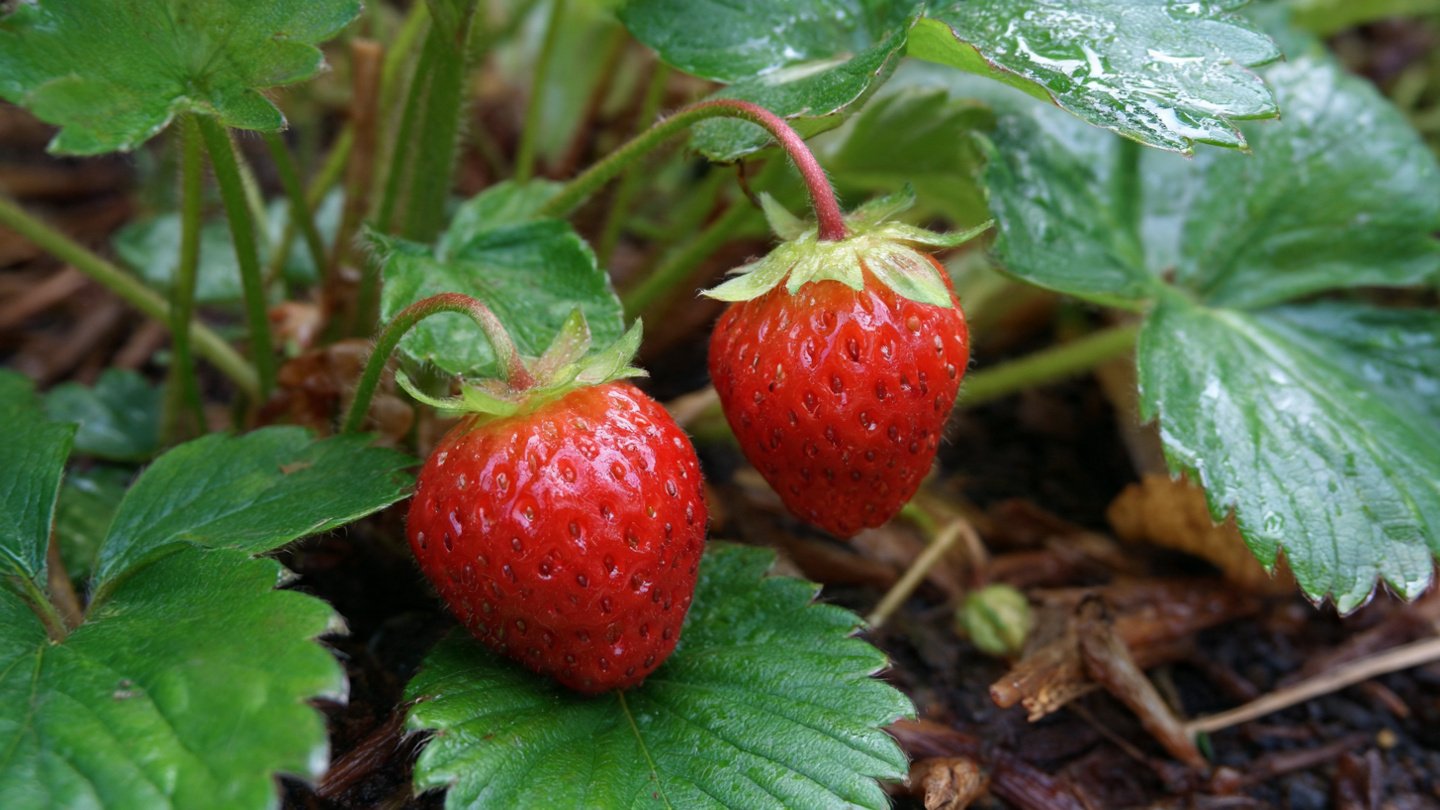
Growing strawberries can be a delightful and rewarding experience for any gardener. Not only do they produce sweet, juicy fruits, but they also enhance your garden’s aesthetic appeal with their vibrant green foliage and bright red berries. This guide will walk you through the process of growing strawberries from runners, ensuring you have a bountiful harvest.
Understanding Strawberry Plants
Strawberries are perennial plants, which means they can produce fruit for several years if well cared for. They reproduce through runners, which are horizontal stems that grow from the main plant. These runners can easily be planted to cultivate new strawberry plants.
Choosing the Right Variety
Before you start, it’s important to select the right strawberry variety for your region. There are three main types:
- June-Bearing Strawberries: Produce a large crop in late spring or early summer.
- Ever-bearing Strawberries: Yield fruit in two to three harvest periods throughout the growing season.
- Day-Neutral Strawberries: Produce fruit continuously throughout the warm months.
Identify which variety suits your climate and taste preferences before planting.
Materials Needed
Before you begin the planting process, gather the following materials:
- Strawberry runners (also called daughter plants)
- Quality potting mix or garden soil
- Compost or organic fertilizer
- Mulch (straw, wood chips, or plastic sheeting)
- Watering can or hose
- Trowel or garden fork
- Bucket for collecting soil and compost
Step-by-Step Guide to Growing Strawberries from Runners
Step 1: Timing
The best time to plant strawberry runners is in early spring, after the last frost but before the heat of summer. This timing allows your plants to establish roots before the growing season begins.
Step 2: Prepare the Soil
Strawberries thrive in well-drained, loamy soil with a pH between 5.5 and 6.8. Follow these steps to prepare the soil:
- Select a Location: Choose a spot that receives full sun for at least 6-8 hours daily.
- Clear the Area: Remove any weeds, rocks, or debris from the area where you will plant.
- Test the Soil: Consider testing your soil pH. You can buy a kit from a garden center or send a sample to a local extension service.
- Improve the Soil: Mix in compost or well-rotted manure to enrich the soil. You might also add an organic fertilizer based on the results of your soil test.
Step 3: Selecting Strawberries Runners
Look for healthy runners that are 3-6 weeks old. Each runner should have a few roots and leaves. Avoid runners that look wilted or diseased. You can acquire runners from your own existing plants or purchase them from a garden center.
Step 4: Planting the Runners
Once you have selected your runners, follow these planting steps:
-
Dig Holes: Use a trowel to dig small holes about 12-18 inches apart. Make the holes deep enough to accommodate the roots without bending them.
-
Position the Runners: Place each runner in its hole, ensuring that the crown (the point where the stems meet the roots) is level with the soil surface. Avoid burying the crown, as this may lead to rot.
-
Backfill the Holes: Gently fill in the holes with soil, ensuring the roots are covered but the crown remains exposed.
-
Water the Plants: After planting, water the runners generously. Ensure the soil is moist but not waterlogged.
Step 5: Mulching
Add a layer of mulch around your newly planted strawberries. Mulch helps to retain moisture, suppress weeds, and maintain a stable soil temperature. Use organic materials like straw or wood chips, or opt for plastic sheeting.
Step 6: Care and Maintenance
Regular care will ensure your strawberry plants flourish.
-
Watering: Keep the soil consistently moist, especially during dry spells. Aim for about 1 inch of water per week.
-
Weed Control: Regularly check for weeds around your strawberry plants. Hand-pull weeds or use a hoe carefully to avoid damaging the shallow roots of the strawberries.
-
Fertilizing: Fertilize your strawberries every 4-6 weeks during the growing season. Use an organic fertilizer that is low in nitrogen to promote fruit growth rather than lush foliage.
-
Pruning: Trim any dead or yellowing leaves to promote air circulation and reduce the risk of disease.
Step 7: Harvesting Strawberries
If you have planted June-bearing strawberries, expect your first harvest within 4-6 weeks after blooming, usually from late spring to early summer. For ever-bearing and day-neutral varieties, you can expect continuous harvests.
-
Harvesting: Pick strawberries when they are fully red and slightly firm. Gently grasp the berry and twist it off the stem rather than pulling.
-
Storing: Store strawberries in the refrigerator for up to a week, but consume them as soon as possible for the best flavor.
Step 8: Post-Harvest Care
After harvesting:
- Cut Back the Plants: Trim back foliage to encourage new growth and cut off any clean, healthy runners to save for next year.
- Prepare for Winter: If you live in a colder climate, cover your strawberry bed with straw or fabric mulch in the fall to protect it from harsh winter conditions.
FAQs
1. What are runners?
Runners are horizontal stems that grow from the main strawberry plant. They produce new plants or “daughter plants” along their length, which can be rooted and grown as separate strawberry plants.
2. How often should I water strawberry plants?
Strawberries need consistent moisture, especially during dry periods. Aim for about 1 inch of water per week, adjusting based on rainfall and temperature.
3. What type of soil do strawberries prefer?
Strawberries thrive in well-drained, loamy soil with a pH between 5.5 and 6.8. It’s beneficial to amend the soil with compost or organic matter.
4. When will my strawberries start to produce fruit?
June-bearing strawberries typically produce fruit within 4-6 weeks after blooming. Ever-bearing and day-neutral varieties can produce fruit continuously during the warm months.
5. How do I prevent pests and diseases?
Regularly inspect your plants for signs of pests or diseases. Use natural pest control methods when possible, such as neem oil or insecticidal soap, and ensure good air circulation and proper watering to prevent disease.
6. Can I grow strawberries in containers?
Yes! Strawberries can be effectively grown in containers or pots, which are especially useful for small spaces or patios. Ensure that containers drain well and provide adequate water and nutrients.
7. How do I propagate strawberries from runners?
Simply cut the runner when it has developed enough roots and place it into the soil, ensuring the crown is level with the soil surface. Water it well and care for it as you would a planted runner.
Conclusion
Growing strawberries from runners is an enjoyable and relatively easy gardening endeavor that rewards you with delicious fruit. By following this simple guide and providing the right care, you’ll soon find yourself with a thriving strawberry patch in your garden. Happy gardening!