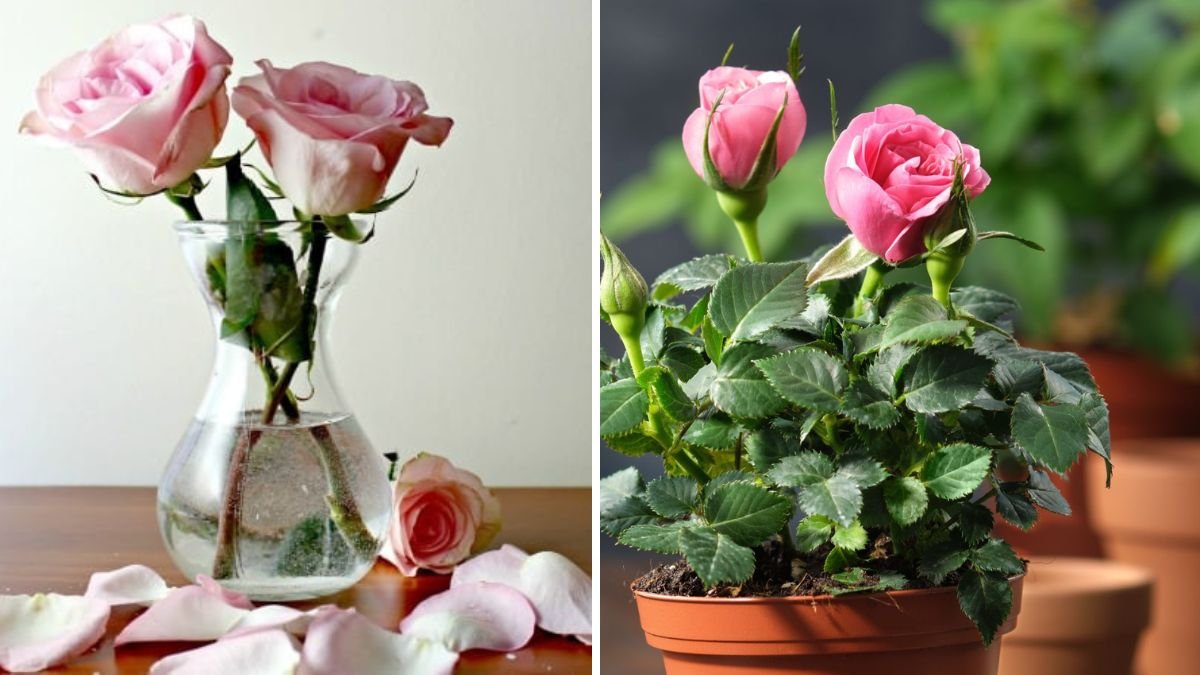
Roses are timeless symbols of love, beauty, and elegance. Growing your own roses at home can be incredibly rewarding, and the best part is that you don’t need an expensive nursery or advanced gardening skills. With easy rose cutting ideas, you can propagate roses from existing plants, enjoy lush blooms, and create a stunning garden or balcony display.
This guide will take you step by step through choosing the right cuttings, preparing them, planting, caring, and harvesting roses, making rose gardening accessible to beginners and enthusiasts alike.
🌿 Why Propagate Roses Through Cuttings?
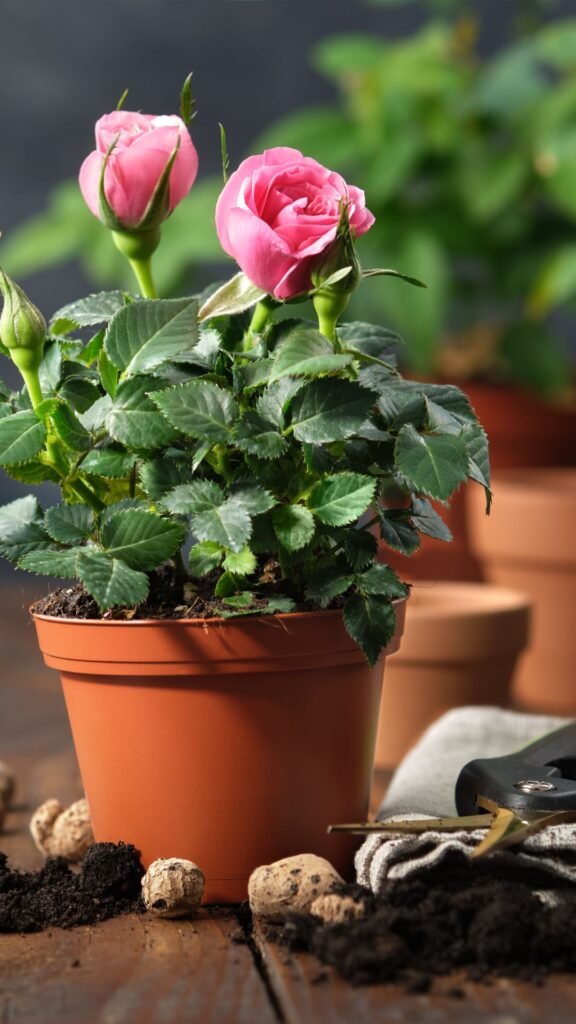
Rose propagation through cuttings is one of the simplest and most cost-effective ways to grow new plants:
- Quick results: Cuttings root faster than seeds.
- Cost-saving: No need to buy new plants.
- Genetic consistency: Produces the same variety as the parent plant.
- Fun and rewarding: Great for beginners and family gardening projects.
- Creative potential: You can experiment with different varieties and colors.
By using cuttings, you can transform your garden into a lush rose haven without breaking the bank.
✂️ Selecting the Right Rose Cuttings

Choosing healthy rose cuttings is crucial for successful propagation.
Step-by-Step Selection Tips:
- Choose healthy stems: Select disease-free, firm, and mature stems from your parent plant.
- Length: Cuttings should be 6–8 inches long with at least 3–5 leaf nodes.
- Avoid flowers: Cuttings with flowers or buds will focus on blooming rather than rooting.
- Time: Early morning is the best time to take cuttings, as plants are well-hydrated.
Tip: Semi-hardwood cuttings (stems from current season’s growth) are easiest for beginners.
🌱 Preparing Rose Cuttings for Planting

Proper preparation increases the chances of rooting success.
Preparation Steps:
- Trim the cutting: Remove leaves from the lower half and leave 2–3 leaves at the top.
- Optional rooting hormone: Dip the cut end in rooting hormone powder to stimulate root growth.
- Make a clean cut: Use a sharp, sterilized knife or scissors to prevent damage or infection.
Pro Tip: Slightly scrape the bark at the bottom end to expose the cambium layer; this encourages faster root formation.
🪴 Planting Rose Cuttings
Rose cuttings can be grown in pots, seed trays, or directly in garden beds.
Pot or Tray Method:
- Fill pots or trays with a well-draining soil mix (garden soil + compost + sand).
- Insert the cutting about 2–3 inches deep into the soil.
- Firm the soil gently around the base to stabilize the cutting.
- Water lightly and place in bright, indirect sunlight.
Direct Garden Planting:
- Dig a small hole in well-prepared soil.
- Insert the cutting and cover with soil.
- Mulch around the base to retain moisture and reduce weed growth.
💧 Watering and Moisture Care
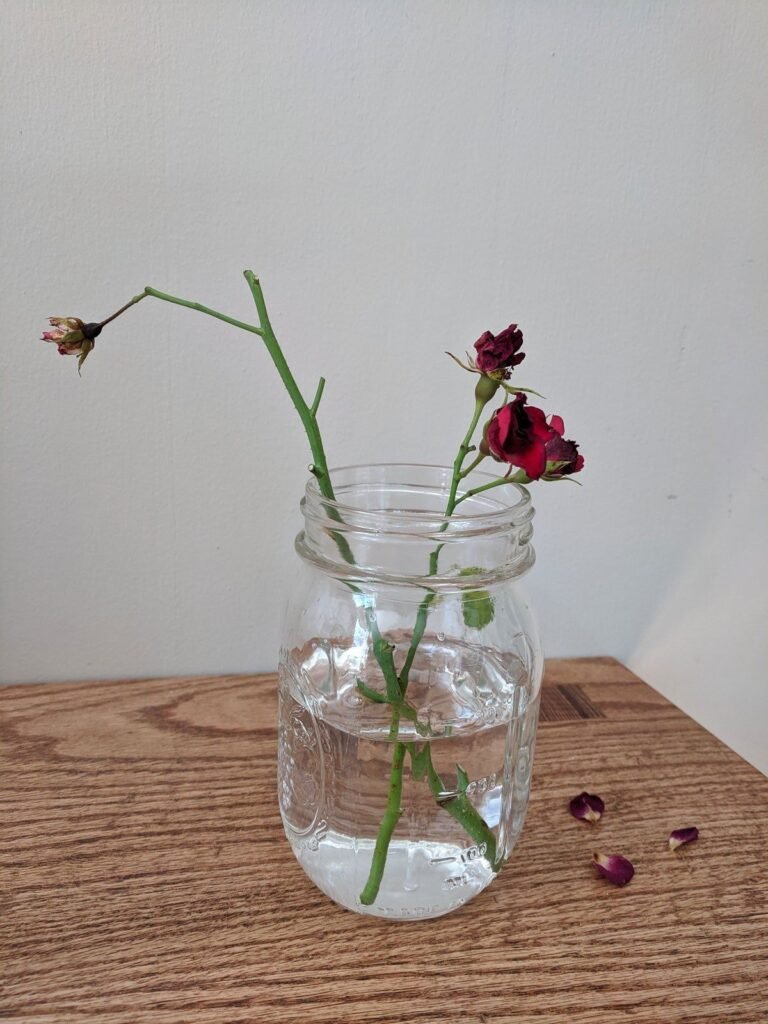
Moisture is critical for root development:
- Keep the soil moist but not waterlogged.
- Mist leaves with water to maintain humidity, especially for cuttings planted in pots.
- Cover cuttings with a plastic bag or bottle to create a mini greenhouse effect for faster rooting.
Tip: Remove the cover daily for a few minutes to allow air circulation and prevent fungal growth.
☀️ Sunlight and Temperature Requirements
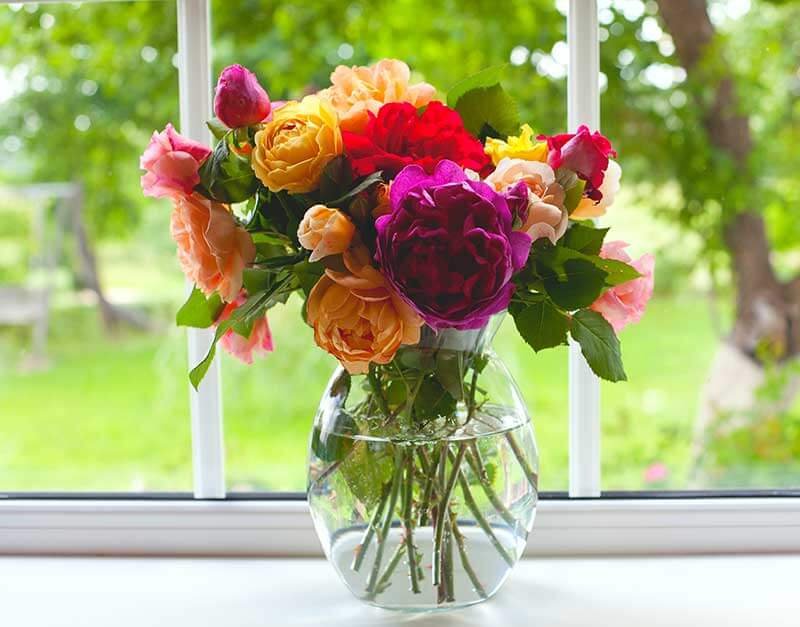
Roses need the right environment to root and grow:
- Place cuttings in bright, indirect sunlight for the first few weeks.
- Avoid harsh, direct sunlight initially, as it can stress young cuttings.
- Ideal temperature: 20°C–25°C
- Gradually introduce more sunlight once roots develop (usually 3–4 weeks).
Providing the correct temperature and light ensures strong, healthy root formation.
🌱 Rooting Time and Signs of Success
Rose cuttings take time to establish roots:
- Semi-hardwood cuttings: Root in 3–6 weeks
- Hardwood cuttings: Root in 2–3 months
Signs of Successful Rooting:
- New leaf growth at the top of the cutting
- Resistance when gently tugging the stem
- Roots visible through transparent pots or soil disturbance
Once roots are established, the cutting can be transplanted to a larger pot or garden bed.
🪴 Transplanting and Care
After roots are well-developed:
- Prepare a larger pot or garden bed with fertile, well-draining soil.
- Carefully remove the cutting from its container.
- Plant at the same depth as it was initially planted.
- Water immediately and provide shade for the first few days.
Ongoing Care Tips:
- Fertilize with organic compost or liquid fertilizers monthly.
- Prune regularly to encourage bushy growth and more flowers.
- Monitor for pests such as aphids, whiteflies, or spider mites.
- Mulch around the base to retain moisture and suppress weeds.
🐛 Pests and Disease Management
Roses are susceptible to pests and fungal diseases:
Common Pests:
- Aphids: Spray neem oil or mild soap solution
- Whiteflies: Use yellow sticky traps or neem extract
- Spider mites: Wash leaves with water and apply neem oil
Common Diseases:
- Powdery mildew: Ensure proper spacing and airflow
- Black spot: Remove infected leaves and apply organic fungicides
- Root rot: Avoid waterlogging and ensure good drainage
Regular monitoring keeps roses healthy and productive.
🌸 Flowering and Harvesting
Once established, rose plants reward gardeners with beautiful blooms:
- Flowers appear 6–8 weeks after transplanting (depending on variety).
- Harvest blooms early in the morning when petals are fresh and firm.
- Regular pruning and deadheading encourage continuous flowering.
Tip: For cut flowers, snip just above a leaf node to encourage new growth.
🔁 Creative Rose Cutting Ideas
- Propagation from Garden Roses: Use old garden plants to multiply your rose collection.
- Container Roses: Start cuttings in pots to decorate balconies or patios.
- Mixed Flower Beds: Combine cuttings from different rose varieties for a colorful display.
- Gifting Plants: Grow rose cuttings and gift young plants to friends and family.
- Indoor Mini Roses: Small cuttings in decorative pots can bloom indoors.
These simple ideas make rose gardening fun, creative, and rewarding.
🌟 Benefits of Growing Roses at Home
- Aesthetic appeal: Roses add beauty and fragrance to any space
- Cost-effective: Multiply plants easily from existing roses
- Eco-friendly: Reduce dependency on commercial nurseries
- Therapeutic: Gardening reduces stress and promotes well-being
- Educational: Learn about plant propagation and care
🌿 Final Thoughts
Propagating roses through cuttings is easy, affordable, and highly satisfying. With proper selection, preparation, planting, and care, you can grow lush, healthy rose plants that bloom beautifully year after year.
Whether you want to enhance your garden, decorate your balcony, or gift plants to loved ones, rose cuttings provide endless opportunities for creativity and gardening enjoyment.
Start today, and experience the joy of growing stunning roses from simple cuttings, bringing beauty, fragrance, and happiness into your home.