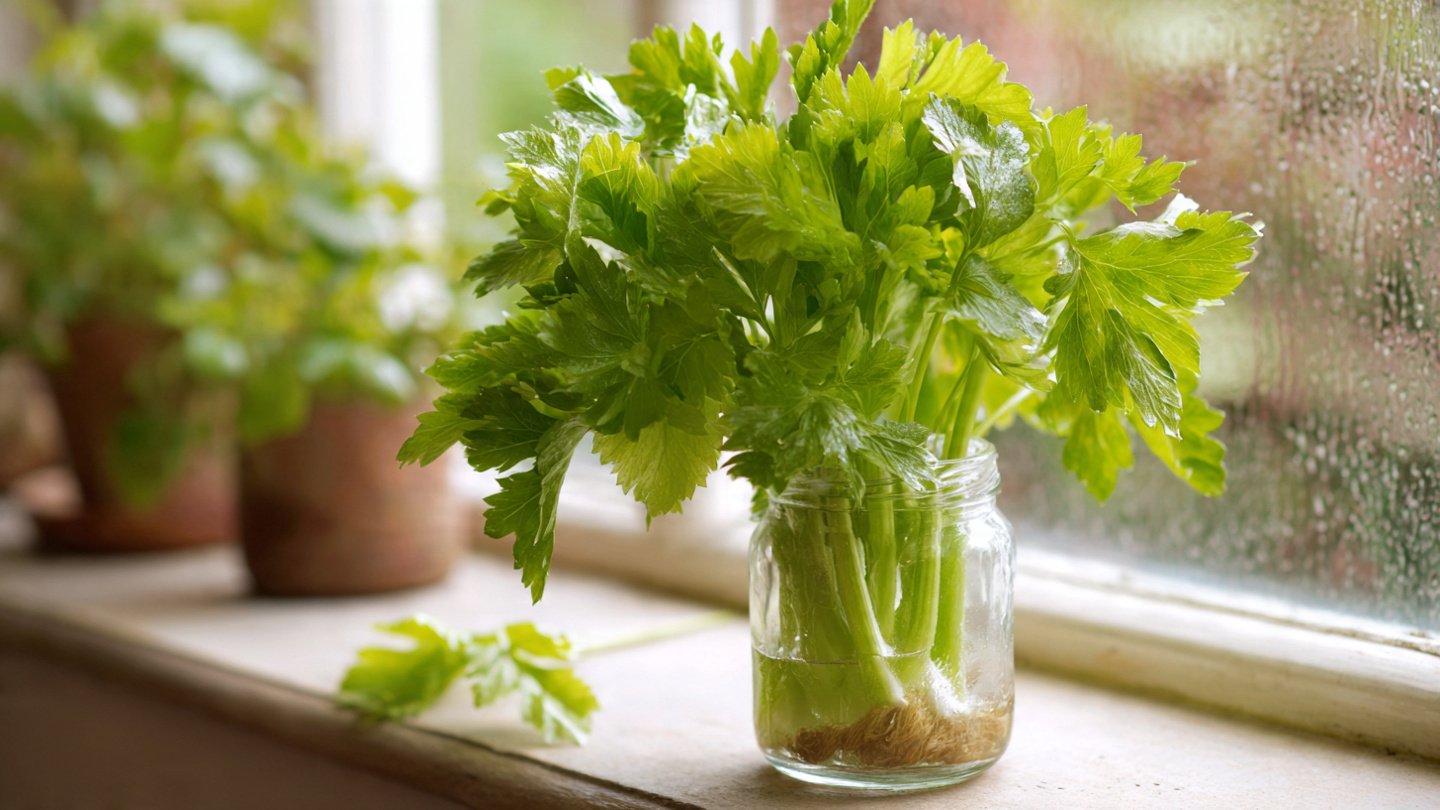
Growing celery indoors can seem like a daunting task, but with the right methods and care, you can enjoy fresh celery leaves year-round without stepping outside. Celery, known for its crisp texture and vibrant flavor, thrives in cool temperatures and requires a bit more attention than some other indoor plants. In this comprehensive guide, we will explore easy methods for growing celery leaves indoors, from the ideal conditions needed for growth to common challenges and how to overcome them.
Why Grow Celery Indoors?
Growing celery indoors offers several benefits:
- Freshness: Homegrown celery is fresher than store-bought, as you can harvest it right before use.
- Cost-effective: Growing your own can save money on grocery bills, especially if you use a lot of celery in your cooking.
- Convenience: Having celery at your fingertips allows you to add it to salads, soups, and stocks without the need to make a trip to the grocery store.
- Pest Control: When you grow indoors, you have more control over pests and diseases, leading to healthier plants.
The Basics of Growing Celery
Before diving into the methods for growing celery leaves indoors, let’s go over the essential components necessary for healthy growth.
1. Choosing the Right Variety
Selecting the right variety of celery is crucial. The two main types are:
- Pascal Celery: This is the standard variety found in grocery stores with thick, fleshy stalks.
- Cutting Celery: This type produces a smaller plant, focusing more on leaves than stalks. It’s ideal for indoor gardening.
For indoor planting, you might prefer cutting celery, as it’s typically easier to manage in smaller spaces.
2. Containers
Choose containers with drainage holes to prevent waterlogging. Celery requires moist soil, but it’s crucial to avoid standing water. Lightweight plastic or ceramic pots are good options.
3. Soil Type
Using a well-draining potting mix is essential. A mix high in organic matter will work best, providing nutrients while facilitating drainage. You can also consider adding peat moss or vermiculite to improve moisture retention.
4. Light Requirements
Celery needs a lot of light—ideally, at least 12-16 hours of bright, indirect sunlight daily. If natural light is limited, consider using grow lights to supplement the light needs of your plants.
5. Temperature
Celery prefers cooler temperatures between 60-70°F (15-21°C). Extreme heat can cause bolting (flowering), which might end your harvest early. Ensure your indoor environment maintains this temperature range.
6. Watering
Celery requires consistent moisture. Check your soil regularly and water when the top inch feels dry. Deep watering is preferred—allow water to drain from the pots thoroughly.
Easy Methods for Growing Celery Indoors
With the basics covered, let’s delve into step-by-step methods for growing celery leaves indoors.
Method 1: Starting from Seed
- Seed Selection: Choose a high-quality celery seed.
- Sowing Seeds: Fill a seed tray with potting mix, pressing the seeds gently into the surface. They should not be buried too deeply; just a light covering of soil is sufficient.
- Moisture: Water the seeds gently and cover the tray with plastic wrap to retain humidity.
- Light and Temperature: Place in a warm, bright location or under grow lights. Germination usually takes 2-3 weeks.
- Thinning: Once seedlings develop their first true leaves, thin them out to provide each plant with enough space.
Method 2: Propagation from Kitchen Scraps
Using kitchen scraps for propagation is a simple, cost-effective method:
- Preparing the Scraps: Take the base of a celery stalk (the part you usually discard) and place it in a shallow bowl of water, cut side up.
- Light: Place the bowl on a windowsill that receives indirect sunlight.
- Watering: Change the water every few days to keep it fresh.
- Transplanting: Once roots begin to develop (after about a week), plant the celery base in a pot with soil, ensuring the roots are covered.
Method 3: Transplanting Seedlings from Outdoors
If you’ve started celery outdoors, you can easily transplant seedlings indoors.
- Timing: Transplant when seedlings are about 4-6 weeks old and have at least two true leaves.
- Potting: Gently remove seedlings from the ground, being careful not to damage the roots. Plant them in individual pots with rich potting soil.
- Acclimation: Gradually acclimate the plants to indoor conditions by keeping them in a shaded area for a few days before fully moving them indoors.
Caring for Indoor Celery
Once your celery is planted, proper care will ensure abundant growth. Below are tips on maintaining healthy indoor celery.
Fertilizing
Celery is a heavy feeder. Use a balanced liquid fertilizer every couple of weeks, especially during the growth phase. A fertilizer high in potassium will encourage leaf growth.
Pruning
Regularly harvest the outer leaves while allowing the inner leaves to grow. This practice encourages bushier growth and prevents overcrowding.
Pest Management
Keep an eye out for pests like aphids or spider mites. If you notice any problems, you can use insecticidal soap or neem oil to control infestations.
Humidity and Air Circulation
Celery prefers humid environments. You can increase humidity by placing the pots on a tray of water with stones or using a humidifier. Ensure good air circulation around plants to prevent mold.
Harvesting Celery Leaves
Celery leaves are ready for harvest when they are a bright green and fully developed. Start by cutting the outermost leaves, allowing the inner leaves to continue growing. Regular harvesting encourages new leaf growth and prolongs the plant’s life.
FAQs
1. Can I grow celery indoors all year round?
Yes, with stable conditions and care, you can successfully grow celery indoors throughout the year.
2. What type of light do celery plants need?
Celery plants require at least 12-16 hours of bright, indirect light daily. Supplemental grow lights can help if natural sunlight is insufficient.
3. How often should I water my indoor celery?
Water your celery when the top inch of soil feels dry. Aim for consistent moisture, but avoid overwatering to prevent root rot.
4. Is it necessary to use fertilizer?
Yes, indoor celery benefits from regular feeding with a balanced liquid fertilizer, especially during the active growth phase.
5. What are the common pests that affect indoor celery?
Common pests include aphids, spider mites, and fungus gnats. Regularly inspect your plants for signs of pests and address any infestations promptly.
6. How can I encourage bushier growth in celery?
Regularly harvesting the outer leaves encourages the inner leaves to develop. Additionally, providing sufficient light and nutrients supports healthy growth.
7. Can I use celery leaves in cooking?
Absolutely! Celery leaves are flavorful and can be used in salads, soups, and stir-fries. They are an excellent addition to many dishes.
Conclusion
Growing celery indoors can be a rewarding experience, allowing you to enjoy fresh leaves year-round. By understanding the different methods for cultivation, providing the right conditions, and ensuring proper care, you can successfully grow and harvest celery leaves to enhance your culinary creations. Happy gardening!