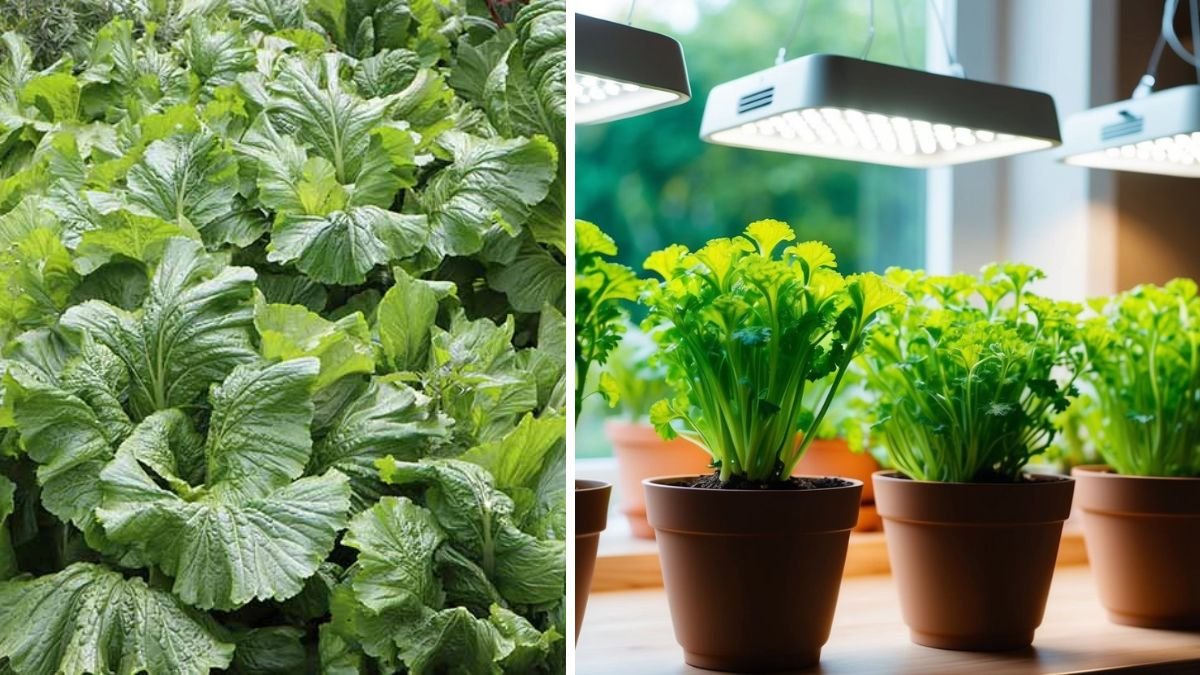
Growing mustard indoors is a rewarding experience that can provide you with fresh greens and a zesty flavor to enhance your meals throughout the year. Whether you’re an experienced gardener or a novice, mustard is an easy crop to cultivate, requiring minimal space and effort. In this article, we will delve into the steps, tips, and tricks to ensure your indoor mustard garden flourishes, along with a comprehensive FAQs section at the end.
Benefits of Growing Mustard Indoors
Before we dive into the actual growing process, let’s discuss why you might want to consider growing mustard indoors:
-
Freshness: Growing your own mustard means you have access to the freshest leaves, which can be harvested right before use.
-
Flavor: Homegrown mustard adds a vibrant, spicy flavor to salads, sandwiches, and various dishes.
-
Nutrition: Mustard greens are packed with vitamins A, C, and K, as well as folate and antioxidants.
-
Space Efficiency: Mustard can be grown in small pots or containers, making it ideal for apartments or homes with limited space.
-
Year-Round Harvest: With indoor growing, you can cultivate mustard greens no matter the season.
Choosing the Right Mustard Variety
The first step in your indoor mustard-growing journey is selecting the right variety. Mustard greens come in a few different types, mainly categorized as:
- Savoy: Curled, crinkly leaves that are tender and flavorful.
- Smooth Leaf: Flat, broad leaves that have a milder taste.
- Baby Mustard Greens: A younger variety harvested early for a delicate flavor.
For indoor growing, baby mustard greens are often recommended because they grow quickly and can be harvested multiple times.
Essential Supplies for Indoor Mustard Gardening
-
Containers: Choose pots with drainage holes to prevent waterlogging. A size of 6-8 inches in diameter is typically adequate.
-
Potting Mix: Use high-quality, well-draining potting soil that is rich in organic matter.
-
Watering Can or Spray Bottle: For easy and controlled watering.
-
Light Source: Ideally, use grow lights if natural sunlight is insufficient; mustard requires at least 12-14 hours of light daily.
-
Fertilizer: An organic liquid fertilizer can be beneficial for nutrient supply as your plants grow.
-
Seeds: Purchase high-quality mustard seeds from a reputable supplier.
Planting Mustard Seeds
Step 1: Prepare the Containers
- Fill your containers with potting mix, leaving about an inch of space at the top.
- Moisten the soil lightly before planting.
Step 2: Sow the Seeds
- Create shallow rows or scatter seeds evenly across the surface.
- Cover the seeds with a thin layer of soil (about 1/4 inch deep).
Step 3: Watering
- Gently water the soil using a spray bottle or watering can to avoid displacing the seeds.
- Ensure the soil remains moist but not soggy.
Caring for Your Mustard Plants
Once your seeds have been planted, it is crucial to pay attention to their growth and care.
Light Requirements
- Place your plants in a location that receives plenty of natural sunlight or, if necessary, use grow lights for at least 12-14 hours daily.
Watering
- Keep the soil consistently moist. Water when the top layer of soil feels dry.
Fertilizing
- After about three weeks, apply a diluted organic liquid fertilizer every two weeks to provide essential nutrients.
Thinning
- As your mustard plants begin to grow, thin them out to prevent overcrowding. If you’ve sown them too closely, consider removing weaker seedlings. Aim for about 4-6 inches apart.
Temperature and Humidity
- Mustard thrives in temperatures between 60°F and 75°F (15°C and 24°C). If indoor temperatures drop too low, consider using a small space heater.
- Provide sufficient humidity to encourage healthy growth. You can mist your plants regularly or use a humidity tray.
Harvesting Mustard Greens
Timing
- Your mustard greens will typically be ready for harvesting 4-6 weeks after sowing, especially if you’ve grown baby mustard greens.
How to Harvest
- Use scissors or garden shears to cut the outer leaves, allowing the center to continue growing.
- Always leave a few leaves at the base of the plant for continued growth.
Storing Mustard Greens
Once harvested, mustard greens can be stored in the refrigerator for up to a week. Place them in a perforated plastic bag to maintain freshness. For longer storage, consider blanching and freezing them.
Tips for a Successful Indoor Mustard Garden
-
Rotate Crops: To keep the soil nutrient-rich, rotate your mustard plants with other crops after harvesting.
-
Pest Management: Keep an eye out for common pests like aphids. Use insecticidal soap or neem oil for treatment if necessary.
-
Regular Maintenance: Regularly check for any signs of disease or deficiency, such as yellowing leaves.
-
Companion Planting: Consider growing your mustard alongside other herbs or greens that share similar care requirements to maximize space.
-
Experiment with Flavors: Try different mustard varieties to discover new flavors and textures.
FAQs
1. How long does it take for mustard seeds to germinate indoors?
Mustard seeds typically germinate within 5-10 days under optimal conditions.
2. Can I grow mustard in low-light conditions?
While mustard can grow in lower light, it thrives best with 12-14 hours of light daily. Consider using grow lights if natural light is insufficient.
3. How do I know when to harvest my mustard greens?
You can start harvesting mustard greens about 4-6 weeks after planting when they reach a height of 4-6 inches. Harvest the outer leaves first.
4. What are some common pests that affect indoor mustard plants?
Common pests include aphids, flea beetles, and spider mites. Regularly inspect your plants and use insecticidal soap or neem oil if you notice infestations.
5. Can I grow mustard indoors year-round?
Yes! Indoor growing allows you to cultivate mustard greens all year, providing consistent flavor and nutrition.
6. Are mustard greens easy to grow?
Absolutely! Mustard greens are among the easiest greens to grow indoors, requiring minimal care.
7. What should I do if my mustard plants are leggy?
If your plants are leggy, it usually indicates insufficient light. Move them to a brighter location or use grow lights to encourage sturdy growth.
8. Can I reuse potting soil for my next batch of mustard greens?
While you can reuse potting soil, it’s advisable to refresh it with new organic matter or mix it with fresh soil to replenish nutrients.
Conclusion
Growing mustard indoors is not just easy but also a delightful way to enhance your culinary experiences. With the right care and attention, you can enjoy fresh greens that not only elevate your dishes but also contribute to your health. Whether you opt for a simple container on a windowsill or a dedicated grow light setup, the journey of indoor gardening can be a fulfilling endeavor. Enjoy the thrill of cultivating your own food, and savor the rich flavors of homegrown mustard greens all year round!