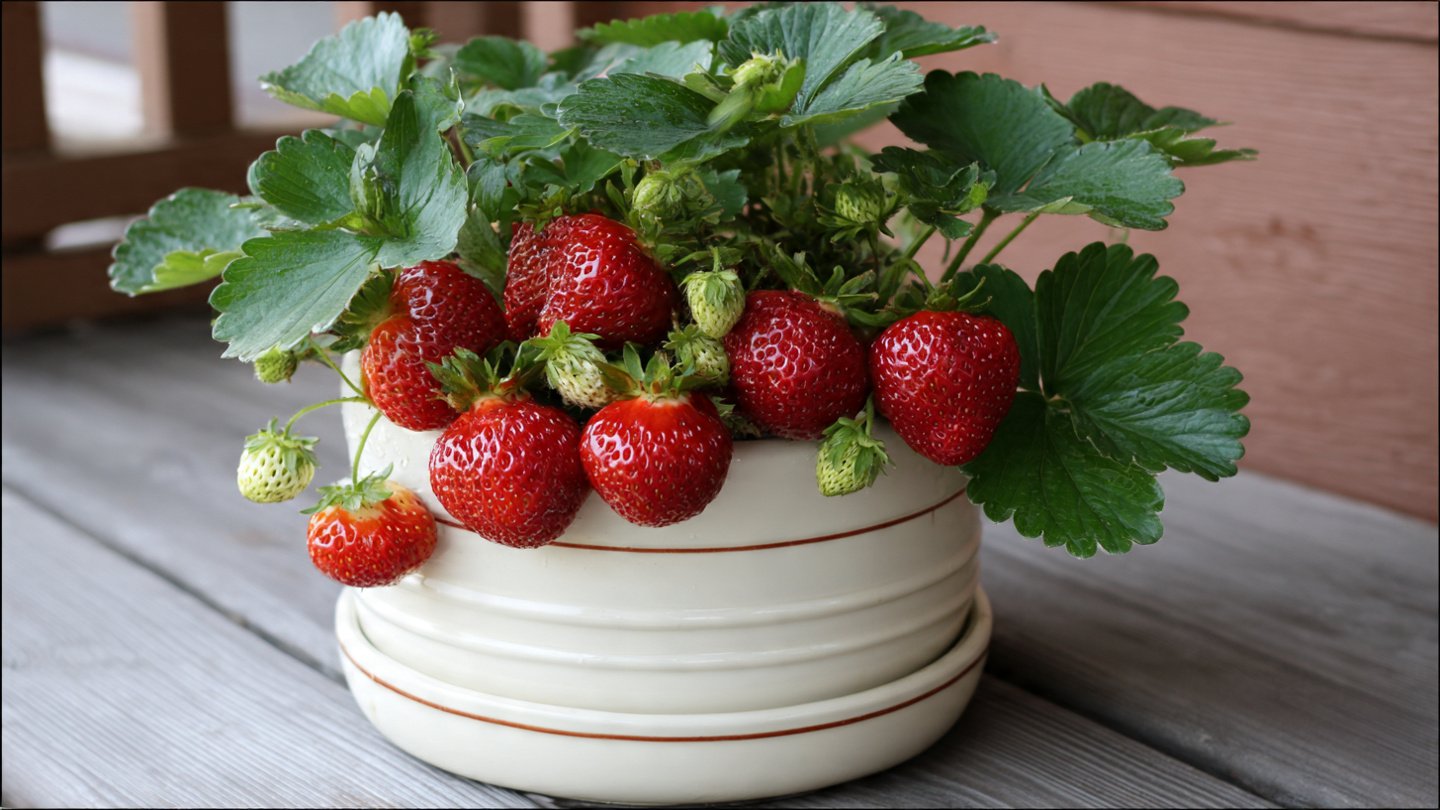
Growing strawberries at home is a delightful way to enjoy fresh, juicy berries right from your garden or balcony. Container gardening has gained immense popularity among urban dwellers and gardening enthusiasts. Whether you have limited space or simply want to tend your plants easily, growing strawberries in containers can yield amazing results. This article will guide you through the best practices and tips for growing strawberries in containers, along with some helpful hacks that will ensure your plant thrives and produces delicious fruit.
Why Choose Container Gardening for Strawberries?
1. Space Efficiency
Container gardening allows you to maximize small spaces. If you live in an apartment or have a small yard, pots enable you to grow strawberries on patios, balconies, or even windowsills.
2. Enhanced Drainage
Containers offer better drainage than garden soil, reducing the risk of root rot and other diseases associated with waterlogged plants.
3. Easy Maintenance
Easier access to your plants allows for better pest control and ease of harvesting. You can move your containers to optimize sunlight exposure and protect plants from harsh weather.
4. Control Over Soil and Nutrients
When you grow strawberries in containers, you have full control over the soil mix, ensuring your plants get the nutrients they need.
Choosing the Right Strawberries
Not all strawberry varieties are suited for container gardening. Here are the primary categories:
1. June-Bearing Strawberries
These produce a large crop all at once in late spring or early summer. Ideal for those wanting a significant harvest but requires proper timing and care.
2. Ever-Bearing Strawberries
Ever-bearing varieties produce fruit throughout the growing season, providing fresh strawberries from late spring until fall. They are great for continuous harvest and can fit well in container gardening.
3. Day-Neutral Strawberries
These can produce fruit at any time of the year, given the right conditions. Day-neutral varieties are perfect for container gardening, as they thrive in different light conditions.
Popular varieties for containers include ‘Albion’, ‘Seascape’, and ‘Quinault’, all of which adapt well to container growing.
Selecting the Right Container
1. Size Matters
Choose a container that is at least 12 inches deep and wide. This space allows the plant’s roots to expand and grow effectively. A larger container can accommodate multiple plants.
2. Material Choices
Plastic, clay, and ceramic containers work well. However, ensure they have drainage holes to prevent water retention. If reusing old containers, disinfect them to prevent diseases.
3. Strawberry Towers
Consider using vertical planters or strawberry towers for a unique and space-saving solution. These structures can house multiple plants, allowing for easier access and higher yield.
Soil Requirements
Strawberries need well-draining, nutrient-rich soil. A good mix can include:
- Potting soil: It provides structure and retains moisture.
- Compost: Adds nutrients and improves soil structure.
- Perlite or vermiculite: Enhances drainage and aeration.
A common mix is 60% potting soil, 30% compost, and 10% perlite.
Planting Strawberries
1. Timing
The best time to plant strawberries in containers is in the spring after the last frost. Depending on your climate, you can also consider fall planting.
2. Planting Process
- Fill the Container: Add your soil mix, leaving a few inches of space at the top.
- Plant: Dig a small hole for each plant. Make sure the crown (the part where the roots meet the stem) is level with the soil surface to avoid rot.
- Spacing: Leave about 12-18 inches between plants to allow for growth.
- Water: Gently water the plants after planting to help them settle in.
3. Mulching
Use straw or mulch around the base of the plants to retain moisture, suppress weeds, and maintain even soil temperature.
Watering and Fertilization
1. Watering
Keep the soil consistently moist but not soggy. Water the plants deeply, especially during dry spells. Container plants can dry out quickly, so check the soil daily.
2. Fertilization
Feed your strawberries every 4-6 weeks using a balanced, slow-release fertilizer. Organic options like fish emulsion or compost tea can work wonders, too.
Sunlight Requirements
Strawberries thrive in full sun, needing at least 6 hours of sunlight per day. Position your containers where they will receive optimal light. If you’re in a hotter climate, partial shade during the hottest part of the day can protect your plants from burning.
Pest Management
Healthy plants will naturally resist pests, but keep an eye out for:
- Aphids: These tiny insects can be managed with insecticidal soap.
- Slugs and Snails: Hand-pick them or use barriers like diatomaceous earth.
- Birds: Protect your strawberries with netting if birds are a problem.
Harvesting Your Strawberries
1. Ripeness Indicators
Strawberries are ripe when they are fully red and slightly soft to the touch. Harvest by gently twisting the berry to avoid damaging the plant.
2. Frequency
For ever-bearing and day-neutral varieties, check your plants every few days. June-bearing strawberries will produce a large harvest once a year.
Winter Care
If you’re in a colder climate, take precautions during winter:
- Move the containers to a sheltered area or wrap them in burlap.
- Apply mulch to protect the roots from freezing temperatures.
- For very cold climates, consider bringing containers indoors.
Troubleshooting Common Issues
- Poor Fruit Production: This can result from inadequate sunlight or nutrition. Ensure your plants are receiving enough light and that you are fertilizing appropriately.
- Yellow Leaves: This often indicates overwatering or nutrient deficiencies. Check your watering schedule and consider adding fertilizer.
- Drying Out: Container plants can dry out quickly. Ensure that you are checking the soil moisture regularly and watering deeply.
Easy Hacks to Optimize Growth
- Companion Planting: Planting herbs like basil or flowers like marigolds nearby can enhance growth and deter pests.
- Use a Self-Watering Container: This will help maintain consistent moisture levels, making it easier for you.
- Rotate Containers: Move the containers around to ensure even sun exposure and prevent pests from becoming established.
- Implement Vertical Gardening Techniques: Stack containers or use trellises to create more growing space and make harvesting easier.
Conclusion
Growing strawberries in containers is not only feasible but can also be a wonderfully rewarding experience. With the right techniques, care, and a little patience, you can enjoy amazing fresh berries anytime. Utilize the hacks provided in this article to optimize your gardening experience and yield a bountiful harvest.
FAQs
Q1: How often should I water my strawberry plants in containers?
A: Check the soil daily. Water when the top inch feels dry, aiming for consistent moisture.
Q2: Can I grow strawberries indoors?
A: Yes, as long as they receive sufficient light. Consider using grow lights if natural sunlight is insufficient.
Q3: Do strawberry plants need pollination?
A: While many varieties are self-pollinating, planting multiple varieties can increase fruit yield.
Q4: What are the common pests for strawberries?
A: Common pests include aphids, slugs, and spider mites. Regular monitoring and natural pest control methods can keep them at bay.
Q5: When should I fertilize my strawberry plants?
A: Fertilize every 4-6 weeks during the growing season with a balanced fertilizer.
Q6: Can I use old garden soil for my containers?
A: It’s advisable to use fresh potting soil mix to reduce the risk of diseases.
By following the guidance in this article, you can cultivate a thriving strawberry garden that yields delicious fruits throughout the season. Happy gardening!