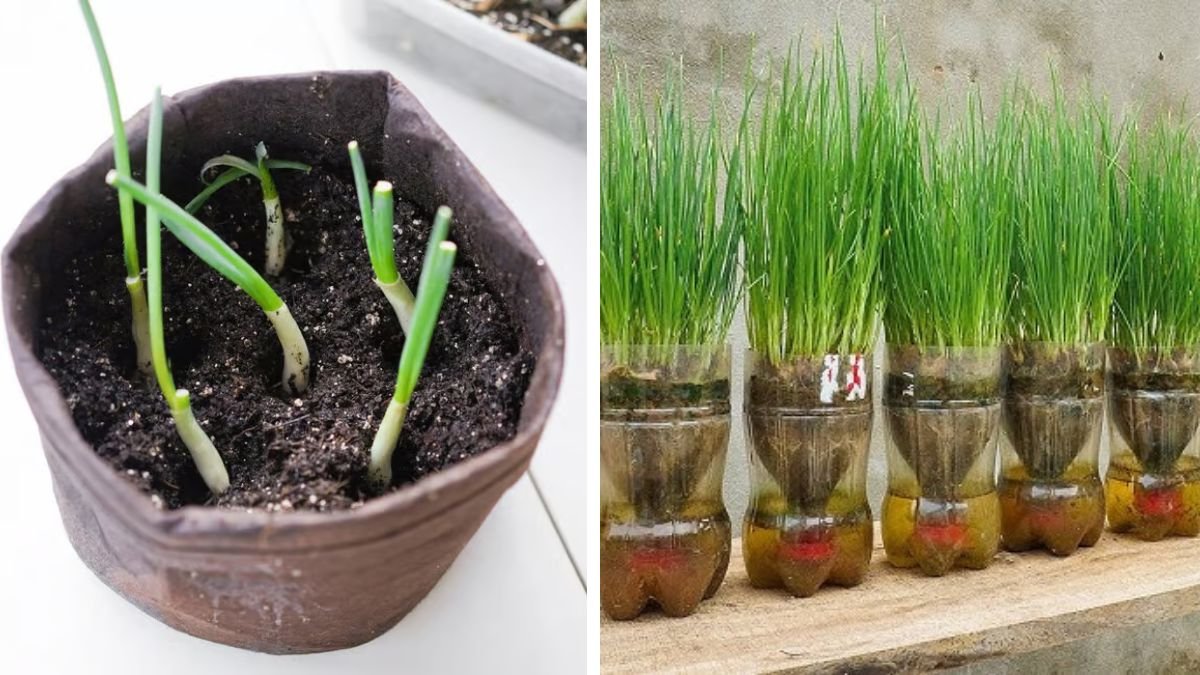
Onions are a staple ingredient in many kitchens around the world. Apart from their flavor and versatility, onion greens (also known as scallions or green onions) are equally prized for their fresh, vibrant taste and nutritional benefits. Fortunately, you don’t need a garden plot or expensive gardening supplies to grow your own onion greens. Using recycled containers is an easy, sustainable, and fun way to grow these flavorful greens right in your home. This article will walk you through the process, step-by-step, to help you grow onion greens in water, along with answers to some frequently asked questions.
Why Grow Onion Greens?
-
Health Benefits: Onion greens are nutritious, rich in vitamins A, C, and K, and provide good amounts of minerals like calcium and iron.
-
Convenience: Having fresh greens at your fingertips is a major convenience. Just snip off what you need, and your onion greens will keep growing back.
-
Cost-Effective: Instead of buying green onions from the store every time you need them, growing your own can save you money in the long run.
-
Sustainability: By using recycled containers, you contribute to reducing waste while also growing your own food.
Materials Needed
Before you start, gather the following materials:
-
Recycled Containers: Look for small jars, old cups, or any glass containers you have at home. Make sure they are clean.
-
Onion Bulbs: You can use store-bought yellow, red, or green onions. Ideally, choose bulbs that are healthy, firm, and without any signs of rot.
-
Water: Tap water works well, but filtered or distilled water is preferred for better longevity.
-
Scissors: A pair of clean scissors or kitchen shears for harvesting your greens.
-
A sunny spot: A windowsill or any area that receives sufficient sunlight is ideal for growing onion greens.
Step-by-Step Guide to Growing Onion Greens
Step 1: Prepare Your Containers
-
Choose Your Container: Select a recycled container that will allow the onion bulbs to sit comfortably. The container does not need to be large; small jars or cups work perfectly.
-
Clean the Container: Ensure your container is clean and free of any residue from previous use.
-
Add Water: Fill the container with enough water to submerge the roots of the onion bulb but not completely cover the bulb itself. Typically, about one inch of water is sufficient.
Step 2: Place the Onion Bulbs
-
Trim the Roots: If your onion bulbs have long roots, you can trim them slightly for convenience, but do not remove them entirely.
-
Position the Bulb: Place the onion bulb in the container with its roots submerged in water and the top part exposed. Ensure bulbs are upright; they should not lean or fall over.
Step 3: Find the Right Spot
-
Light: Place the container in a sunny spot where it can receive at least 6 hours of sunlight daily. South-facing windowsills are usually ideal.
-
Temperature: Onions prefer cooler temperatures, ideally between 60°F to 75°F (15°C to 24°C).
Step 4: Water Maintenance
-
Change the Water: Change the water every few days to keep it fresh and to prevent the growth of bacteria. Rinse the roots gently during this process.
-
Watch for Growth: Within a week or two, you should start seeing green shoots growing from the top of the onion bulb. These shoots will expand quickly.
Step 5: Harvesting Your Greens
-
When to Harvest: You can start harvesting when the green shoots reach about 6 inches tall.
-
How to Harvest: Use clean scissors to snip off the greens, allowing a little bit of the green to remain for continued growth. This process can be repeated for several weeks, provided you maintain water levels.
-
Rotate Usage: To ensure a continuous supply of greens, consider starting a few more bulbs in different containers at staggered intervals.
Troubleshooting Common Issues
-
Slow Growth: If your onion greens are growing slowly, ensure they are getting enough light and that you’re changing the water regularly.
-
Yellowing Leaves: This can be due to various factors like lack of nutrients or insufficient sunlight. Ensure the bulbs are positioned correctly and consider placing them in a sunnier spot.
-
Rotting Bulbs: If the bulbs start to rot, check for excessive water; they need to be submerged only at the roots. Replace any rotting bulbs promptly.
Health Tips for Handling Onion Greens
-
Wash Thoroughly: Always wash green onions before using them in your recipes to remove any dirt or pesticide residues.
-
Storage: If you harvest more than you can use, store the leftover green onions in a zip-lock bag in the refrigerator. They typically last about a week in good conditions.
-
Cooking: You can use onion greens in salads, garnishes, soups, or any dish that benefits from a fresh, oniony flavor. They’re also excellent in stir-fries and omelets.
FAQs
1. Can I use any type of onion?
Yes, you can use yellow, white, red, or green onions. However, spring onions or scallions are often preferred for their milder taste.
2. How often should I change the water?
Change the water every few days or at least once a week to keep it clean and fresh.
3. How long will it take before I can harvest the greens?
You should be able to start harvesting within 7 to 14 days, depending on the conditions and the onion variety.
4. Can I grow onion greens indoors without sunlight?
While sunlight is preferred, you can use grow lights if you don’t have enough natural light. Aim for 12-16 hours of light per day.
5. Are there any pests I should be concerned about?
In hydroponic setups like this, pests are generally minimal; however, keep an eye out for mold or fungus that can develop in stagnant water.
6. Can I plant the onion bulbs in soil after they grow in water?
Yes, you can transfer the onion bulbs to soil after growing them in water, although this will change the growing method.
7. What if the onions start to flower?
If your onion greens begin to flower, they may become tough and less flavorful. It’s best to use them before they flower or remove the flowers to encourage leaf growth.
Conclusion
Growing onion greens in water using recycled containers is not only easy and cost-effective, but it also contributes to a sustainable lifestyle. With minimal resources and care, you can enjoy fresh, nutritious green onions right from your kitchen. This fun gardening hack is perfect for anyone, whether you’re a seasoned gardener or a beginner trying your hand at plant care. So grab those old jars and start growing your own onion greens today!