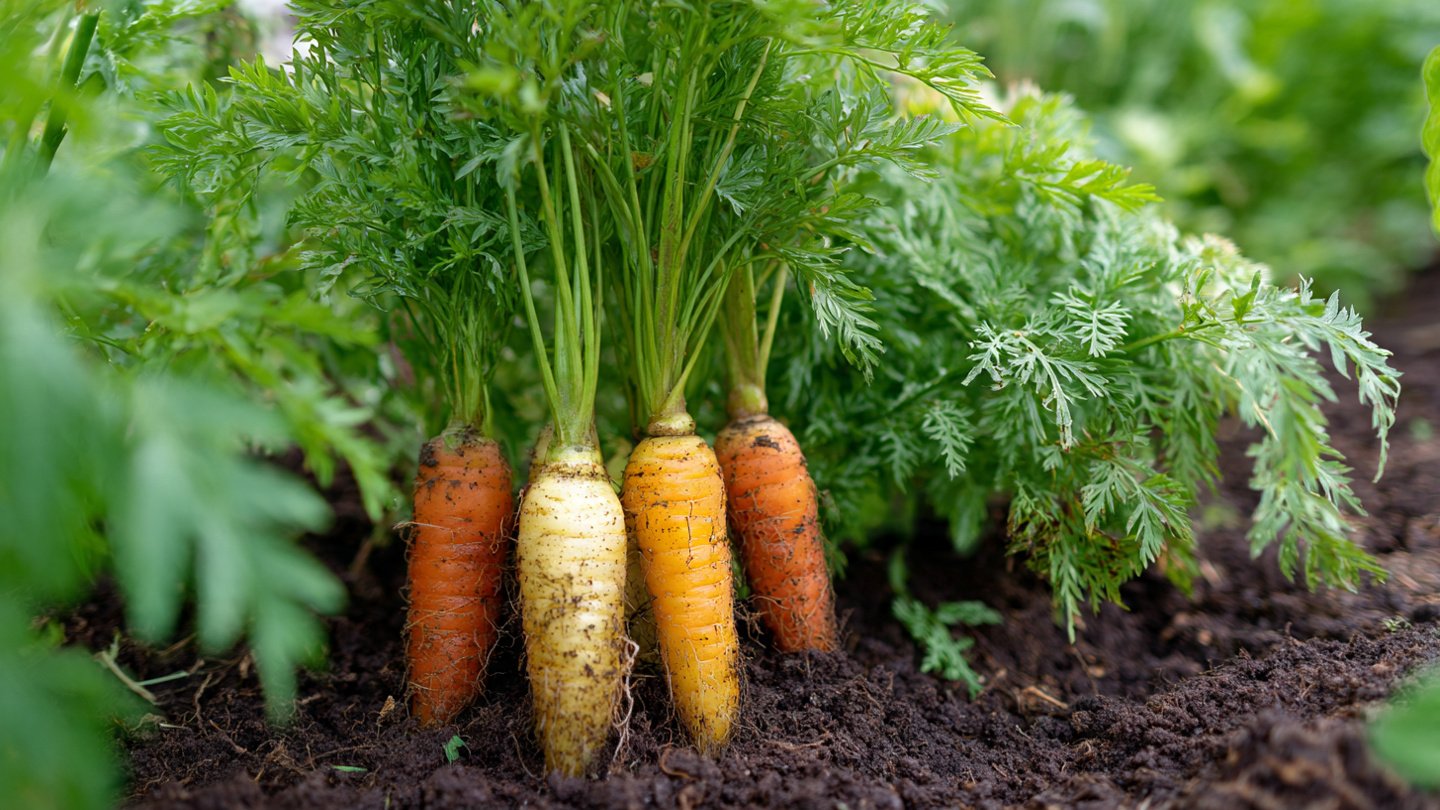
Carrots are a beloved staple in kitchens worldwide, known for their sweet flavor, versatility in dishes, and abundant health benefits. However, growing them can sometimes be a frustrating endeavor for gardeners, especially when the roots fork or grow deformed, leading to a disappointing harvest. If you’re looking to cultivate perfectly shaped carrots without the hassle of forked roots, you’ve come to the right place. This article will explore practical tips and techniques to help you achieve a bountiful carrot harvest with minimal effort.
Understanding Carrot Growing Basics
Before diving into the hacks and tips, it’s essential to understand a few fundamentals about carrot cultivation.
Soil Type
Carrots thrive in loose, well-draining soil. The ideal soil is sandy or loamy, with a pH between 6.0 and 7.0. Compacted or heavy clay soils can lead to forked and deformed carrots.
Sunlight and Watering
Carrots love full sun and need about 6 to 8 hours of direct sunlight per day. They also require consistent moisture. While it’s crucial to water them adequately, overwatering can lead to rot.
Seeds and Varieties
Choose quality seeds suited for your climate. There are various carrot varieties, including Nantes, Imperator, and Chantenay, each suited to particular soil conditions. Be sure to read the descriptions and select what works best for your garden.
The Easy Hack: Using Vertical Gardening Techniques
One of the best ways to grow carrots without forked roots is to incorporate vertical gardening techniques. This method doesn’t just save space; it also encourages optimal growth conditions. Here’s how to implement it.
1. Raised Beds
Create Elevated Growing Space
Raised beds allow you to control soil quality and drainage easily. By elevating your planting area, you provide a loose and well-draining environment for carrot roots to grow straight.
- Step 1: Build a raised bed at least 12 inches deep. This will give your carrots enough room to develop properly.
- Step 2: Fill the bed with a mix of quality topsoil and compost. This enhances nutrient availability and promotes healthy growth.
2. Deep Containers
If space is an issue, consider growing carrots in deep containers. This limits the compacting of soil that can occur in traditional gardening setups.
- Choose Containers: Select pots or containers that are at least 12 inches deep to give your carrots sufficient room to grow without forking.
- Soil Mixture: Just like with raised beds, use a loose potting mix that drains well.
3. Ensure Adequate Root Space
Forked carrots often result from overcrowding or inadequate soil depth. To prevent this, follow these guidelines during planting.
- Seed Spacing: When you sow your seeds, space them about 2 inches apart. This allows for proper growth and reduces competition for nutrients and space.
- Thinning: Once seedlings form their first set of true leaves, thin them out to about 3 to 4 inches apart. This gives each carrot ample space to develop.
4. Mulching
Adding a layer of organic mulch to your carrot bed can significantly improve soil quality and moisture retention.
- Benefits of Mulching: Mulch keeps the soil temperature consistent, retains moisture, and suppresses weeds. A 2- to 3-inch layer of straw, grass clippings, or shredded leaves can work wonders.
Other Practical Tips for Growing Carrots
In addition to vertical gardening techniques, here are some other best practices to ensure a successful carrot harvest without forked roots.
5. Regular Watering Schedule
Maintaining consistent moisture is key. Carrots need regular watering, especially during dry spells.
- Watering Frequency: Aim to water deeply about once a week, ensuring that the soil remains moist but not waterlogged.
6. Soil Preparation
Proper soil preparation before planting can significantly impact your harvest.
- Tilling the Soil: Prior to planting, ensure that the soil is well-tilled to at least 12 inches deep. This allows for loose, aerated soil that encourages straight growth.
7. Companion Planting
Consider incorporating companion plants that can benefit carrot growth. For example, planting onions or garlic alongside can naturally repel pests without harming your carrots.
8. Watch Out for Pests
Some pests, like root maggots, can cause deformed carrots. Employ organic pest control methods such as beneficial insects, traps, or organic pesticides if necessary.
Troubleshooting Common Issues
Even with the best practices, you may encounter issues in your carrot garden. Here’s how to address some common problems.
1. Forking Carrots
If you notice your carrots are still forking, this could be due to compacted soil or inconsistent watering.
- Solution: Re-evaluate your soil condition and ensure consistent moisture to help develop straighter roots.
2. Twisted Carrots
Twisted or deformed carrots can result from overcrowding or planting in rocky soil.
- Solution: Space plants adequately and ensure the soil is free of obstructions.
3. Cracking
Cracking typically occurs when carrots experience rapid changes in watering.
- Solution: Maintain a uniform watering schedule to avoid drought stress and subsequent over-watering.
Frequently Asked Questions (FAQs)
1. How long does it take for carrots to grow?
Carrots generally take about 70 to 80 days from seed to harvest, depending on the variety and growing conditions.
2. Can I grow carrots indoors?
Yes! If you have a sunny windowsill or grow lights, you can grow carrots in containers indoors.
3. What is the best time to plant carrots?
Carrots are best sown directly into the soil in early spring or fall when temperatures are cooler (60-65°F).
4. How can I tell if my carrots are ready to harvest?
Carrots are ready to be harvested when they have reached their desired size, usually about 1/2 inch in diameter. You can gently pull one out to check, ensuring not to damage the other roots.
5. Why are my carrots tasteless?
Flavor can depend on growing conditions, including soil quality and watering. Carrots grown in poor soil or stressed due to inconsistent watering might taste bland.
6. How do I store harvested carrots?
After harvesting, remove the greens (which draw moisture from the roots) and store carrots in a cool, dark place, ideally in the refrigerator. Carrots can last several weeks with proper storage.
Conclusion
Growing carrots without forking is entirely achievable with a few simple hacks and attention to their growing conditions. By using vertical gardening techniques, providing the proper soil medium, and maintaining consistent care, you can enjoy a harvest of perfectly shaped, delicious carrots. So grab your seeds, follow these guidelines, and delight in the satisfaction of a bountiful carrot harvest!