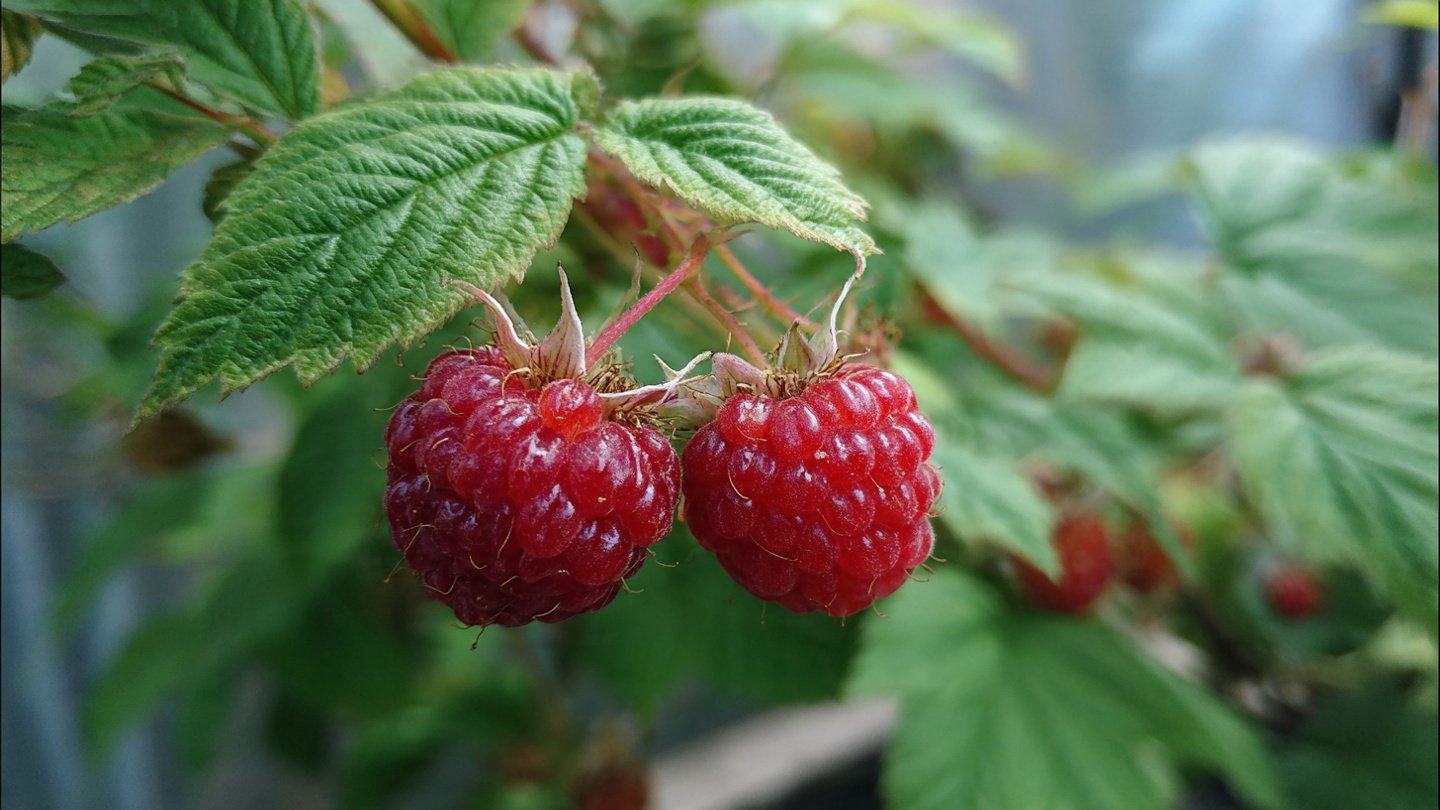
Growing raspberries in containers is a fantastic way to cultivate this berry in an urban garden where space may be limited. Not only do raspberries produce sweet, nutritious fruits, but they also thrive in portable pots, making them perfect for balconies, patios, and small yards. This guide will walk you through the necessary steps to successfully grow raspberries in containers, ensuring a bountiful harvest right at your fingertips.
Choosing the Right Raspberry Variety
Before you even think about potting them up, it’s essential to select the right raspberry variety suitable for container gardening. Two primary types of raspberries are available:
-
Summer-bearing raspberries: These varieties produce fruit on second-year canes. Example varieties include ‘Heritage’ and ‘Latham.’
-
Ever-bearing raspberries: Also known as fall-bearing raspberries, these can produce fruit on first-year canes, allowing for an earlier harvest. Popular choices are ‘Anne’ (yellow) and ‘Baby Cakes’ (compact).
When selecting a variety, look for compact or dwarf types that will thrive in containers. Ask your local nursery or research online to find the best varieties suited for your climate.
Container Selection
When it comes to containers, size matters. Raspberries prefer deep pots to accommodate their root systems. Here are some guidelines for choosing the right container:
- Size: Aim for at least a 5- to 10-gallon container. The deeper, the better, as raspberries have deep roots.
- Material: Choose between plastic, ceramic, or fabric pots. Ensure that whatever material you select has proper drainage holes.
- Mobility: If you plan on moving your containers, consider lightweight materials or pots with wheels.
Soil Requirements
Healthy soil is vital for raspberry success. Here’s what you need for optimal growth:
- Soil Type: A well-draining, nutrient-rich potting mix is ideal. Avoid garden soil, as it can compact and hinder root growth.
- pH Level: Raspberries thrive in slightly acidic soil, with a pH of 5.5 to 6.5.
- Adding Nutrients: Consider adding organic compost or well-rotted manure to enrich the soil and provide necessary nutrients during the growth cycle.
Planting Your Raspberries
Once you have selected your container and soil, it’s time to plant your raspberries. Follow these simple steps:
-
Prepare the Container: Fill the container with your chosen potting mix, leaving about an inch of space at the top.
-
Position the Plants: If planting multiple raspberry plants, ensure they are spaced appropriately. A single plant per container is ideal, but some compact varieties can share a pot if space is limited.
-
Planting Depth: Dig a hole in the soil deep enough to accommodate the plant’s root ball. Place the raspberry plant in the hole, ensuring that the crown (the point where the roots meet the stem) is level with the soil surface.
-
Water Thoroughly: After planting, water the raspberry plants deeply to help settle the soil around the roots.
Sunlight Requirements
Raspberries require plenty of sunlight to produce delicious fruit. Ensure your raspberries receive at least 6-8 hours of direct sunlight daily. If you have limited sun exposure, consider positioning containers in different areas throughout the day to maximize sunlight exposure.
Watering
Raspberry plants need consistent moisture, especially during fruiting. Here’s how to manage watering effectively:
- Regular Watering: Water deeply but infrequently. The top inch of soil should dry out before the next watering.
- Mulching: Adding a layer of mulch can help retain moisture, providing insulation to the roots and suppressing weeds.
Pruning and Maintenance
Proper pruning is essential for healthy raspberry growth and maximum yield. Here’s how to care for your plants:
Initial Pruning
When your raspberry plants are just starting, remove any weak, damaged, or crossing canes. This helps in focusing the plant’s energy on healthier canes.
Perennial Maintenance
For summer-bearing raspberries:
- After harvesting, cut the canes that bore fruit down to ground level.
- Leave the new canes, which will produce the following year.
For ever-bearing raspberries:
- You can choose to cut all canes in the fall for early spring harvest or leave them to enjoy fruit in both summer and fall.
Water and Fertilize
Feed your raspberries with a balanced fertilizer every 4-6 weeks during the growing season. Look for fertilizers with a higher potassium content to promote fruit production.
Pest and Disease Management
Raspberries can encounter various pests and diseases. Be vigilant about inspecting your plants regularly. Here are common issues and solutions:
-
Pests: Aphids, spider mites, and Japanese beetles can harm raspberry plants. Consider using insecticidal soap or introducing beneficial insects like ladybugs.
-
Diseases: Common fungal diseases include powdery mildew and root rot. Ensure good air circulation, avoid overhead watering, and remove any infected plant material promptly.
Harvesting Raspberries
The most rewarding part of growing raspberries is harvesting the delicious fruit. Here’s what you need to know:
- Timing: Raspberries typically ripen within 2-3 weeks after flowering. The fruit is ready to pick when it easily comes off the stem with a gentle tug.
- Harvesting Technique: Use your fingers to pick the ripe berries carefully. Be cautious to avoid crushing them, and consider wearing gloves to protect your hands from thorny canes.
Winter Care
In colder climates, preparing your raspberry plants for winter is crucial. Here are some steps to safeguard them:
- Mulching: Layer a thick layer of mulch over the soil in late fall. This helps insulate the roots during freezing temperatures.
- Container Care: If you live in an area with severe winters, consider moving containers to a sheltered location or wrapping them with insulating materials.
Frequently Asked Questions (FAQs)
1. Can I grow raspberries in small pots?
While raspberries prefer larger containers, some compact varieties can thrive in smaller pots. However, expect a smaller yield.
2. How often should I fertilize my raspberry plants?
Fertilize every 4-6 weeks during the growing season with a balanced fertilizer to ensure healthy growth and fruit production.
3. How do I know when to harvest my raspberries?
Harvest raspberries when they turn a deep color and easily come off the vine with a gentle pull.
4. What should I do if my raspberries have pests?
Inspect your plants regularly. For pests like aphids, consider using insecticidal soap or introducing beneficial insects.
5. Can I plant raspberries in partial shade?
While raspberries need sunlight to thrive, they can tolerate some shade. However, avoid densely shaded areas as this may reduce fruit yield.
6. Are raspberries self-pollinating?
Yes, most modern raspberry varieties are self-pollinating, which means they don’t require multiple plants for fruit production.
Conclusion
Growing raspberries in containers can be a rewarding experience, particularly in urban settings where space is limited. With the right variety, container, and care, you can enjoy sweet, homegrown raspberries right from your balcony or patio. By following the steps outlined in this easy guide, you’ll be on your way to a bountiful harvest in no time. Happy gardening!