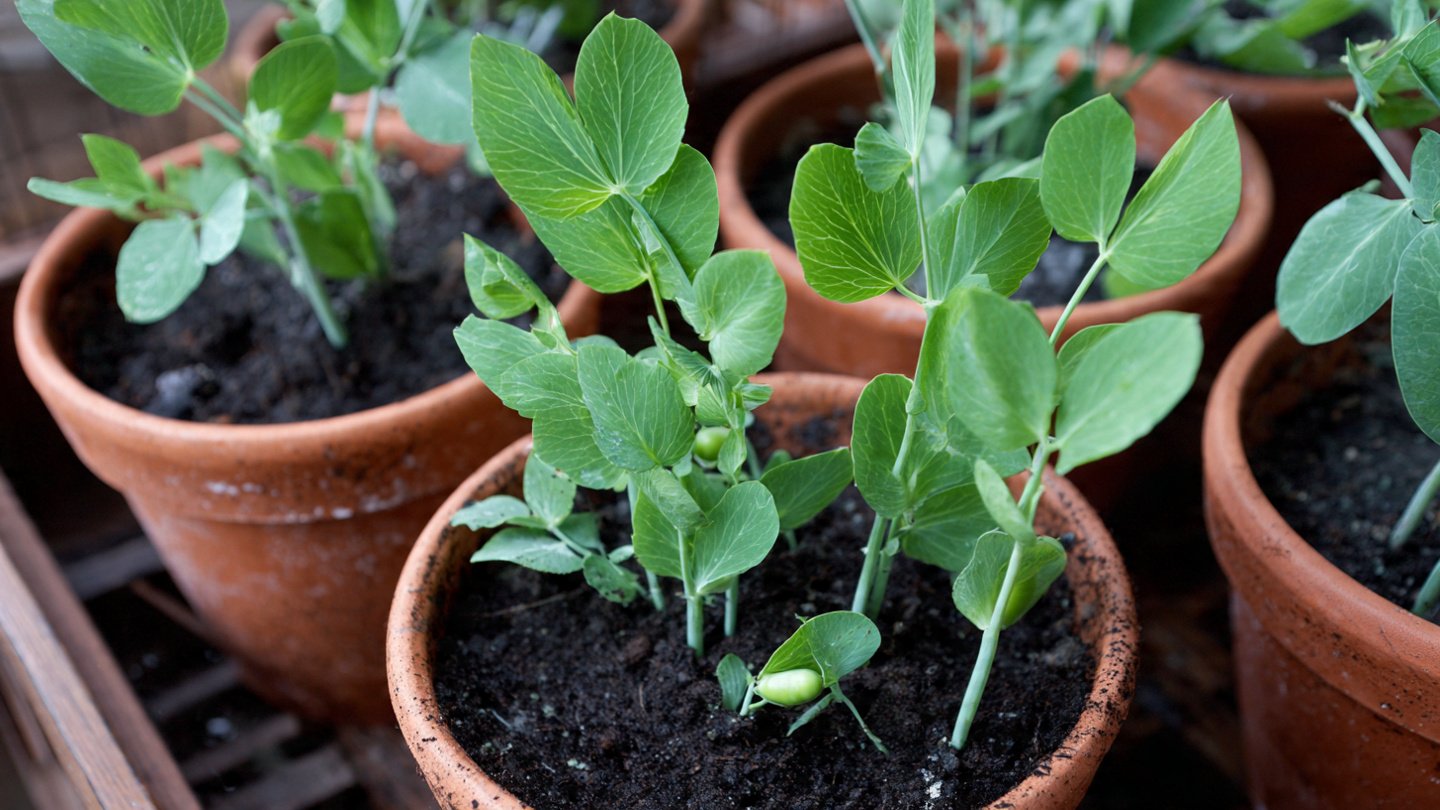
Snow peas (Pisum sativum var. saccharatum) are a versatile and nutritious addition to any garden or patio. With their sweet flavor and crisp texture, they can elevate a variety of dishes. For those with limited space, growing snow peas in pots is an excellent solution. In this guide, we will cover everything you need to know about growing snow peas in containers to maximize your yield.
Introduction to Snow Peas
Snow peas are a type of edible pod pea where the whole pod is consumed. Unlike shelling peas, snow peas are harvested when the pods are flat, containing small, immature seeds. They are best enjoyed fresh but can also be stir-fried, steamed, or added to salads.
Benefits of Growing Snow Peas
- Space-Efficient: Snow peas grow vertically, making them perfect for small spaces.
- Quick Harvest: They mature quickly, usually within 60 days, allowing for multiple harvests in a single growing season.
- Nutritional Value: Snow peas are low in calories and provide significant vitamins A and C, fiber, and iron.
- Aesthetic Appeal: The vibrant green color and flowers make them attractive plants for any garden setup.
Choosing the Right Container
Size Matters
For optimal growth, choose containers that are at least 10-12 inches deep and wide. This provides enough space for the roots to develop. For larger yields, consider using a 14-16 inch pot. Ensure that the container has drainage holes to prevent waterlogging.
Material
Containers can be made from various materials such as plastic, clay, or wood. Plastic pots retain moisture better, while clay allows for better air circulation. Wooden containers can provide a natural look, but ensure they are treated to withstand moisture.
Soil Recommendations
Snow peas thrive in well-draining soil rich in organic matter. A mix of potting soil, compost, and perlite works well. Aim for a pH of around 6.0 to 6.8. The organic matter will also provide essential nutrients that can boost your peas’ growth.
Sowing Snow Peas
Timing
Snow peas prefer cooler weather, making early spring the best time to sow. However, they can also be sown in late summer for a fall harvest in milder climates.
Seed Preparation
For optimal germination, soak the seeds in water for a few hours before planting. This helps to soften the seed coat and speeds up the germination process.
Planting Seeds
Fill your container with soil, leaving about an inch of space at the top. Plant the seeds about 1 inch deep and 2-3 inches apart. Cover with soil and water gently.
Supporting Your Snow Peas
Trellising
Since snow peas are climbing plants, they will require support as they grow. Use a trellis, stakes, or even repurposed materials like chicken wire. Insert the trellis or stakes into the pot at the time of planting to avoid disturbing the roots later.
Maintenance
As the plants begin to climb, gently guide them towards the support structure. This will encourage healthy growth and ensure that they receive adequate sunlight.
Watering
Snow peas require consistent moisture, but overwatering can lead to root rot. Water the plants when the top inch of soil feels dry. During hot spells, you may need to water daily, especially in pots that dry out quickly.
Fertilization
Snow peas don’t require a lot of fertilizer, especially if you start with a rich soil mix. However, a balanced, slow-release fertilizer can be applied every 4-6 weeks. Avoid over-fertilizing as it can lead to excessive leaf growth at the expense of pod production.
Pest and Disease Management
Common Pests
- Aphids: These tiny insects can weaken plants and lead to lower yields. You can remove them with a strong jet of water or use insecticidal soap.
- Leafhoppers: They can transmit diseases. Keep the area clean and monitor for signs of infestation.
Diseases
Powdery mildew can be a concern in humid environments. Ensure proper spacing and ventilation to minimize this risk. If your plants show signs of disease, remove affected leaves immediately to prevent spread.
Harvesting Snow Peas
When to Harvest
Snow peas are best harvested when the pods are plump but before the seeds inside begin to swell. This usually occurs around 1.5-2 months after sowing. The pods should be vibrant green and tender.
How to Harvest
Gently twist or cut the pods off the stem to prevent damage to the plant. The more you harvest, the more the plants will produce. Regular harvesting stimulates new growth and increases your yield.
Maximizing Yield
Container Rotation
Consider rotating the positioning of your pots each season to ensure that your plants get fresh nutrients and to reduce soil-borne diseases.
Successive Planting
Plan to sow new seeds every 2-3 weeks. This will stagger your harvest and provide you with fresh snow peas throughout the season.
Companion Planting
Growing snow peas alongside plants such as carrots or radishes can promote better growth. These plants share space efficiently and deter pests when planted together.
FAQs
1. Can I grow snow peas indoors?
Yes, snow peas can be grown indoors as long as they receive sufficient sunlight (at least 6 hours a day) and are provided with adequate support for climbing.
2. How often should I water my snow peas?
Water your snow peas when the top inch of the soil feels dry, which may be daily in hot weather. Be cautious of overwatering.
3. What should I do if my snow peas are not climbing?
If your snow peas aren’t climbing, ensure that they have enough support. You can also gently guide them onto the trellis or stakes, and they will start to latch on.
4. How do I know when to fertilize my snow peas?
If you’ve started with a high-quality soil mix, you may not need to fertilize immediately. You can apply a balanced slow-release fertilizer every 4-6 weeks during the growing season if you notice slower growth or pale leaves.
5. Can I save seeds from my snow peas for next year?
Yes, you can save seeds from your snow peas. Allow a few pods to mature fully on the plant, then harvest them, dry them out, and store them in a cool, dry place in an airtight container.
Conclusion
Growing snow peas in pots is a rewarding endeavor that not only beautifies your space but also provides fresh, delicious produce. By following this easy guide, you’ll be able to cultivate healthy, productive snow peas that can be enjoyed in numerous culinary creations. Remember to provide adequate support, water consistently, and keep an eye out for pests to maximize your yield. Happy gardening!