Introduction to Bean Sprouts Growing
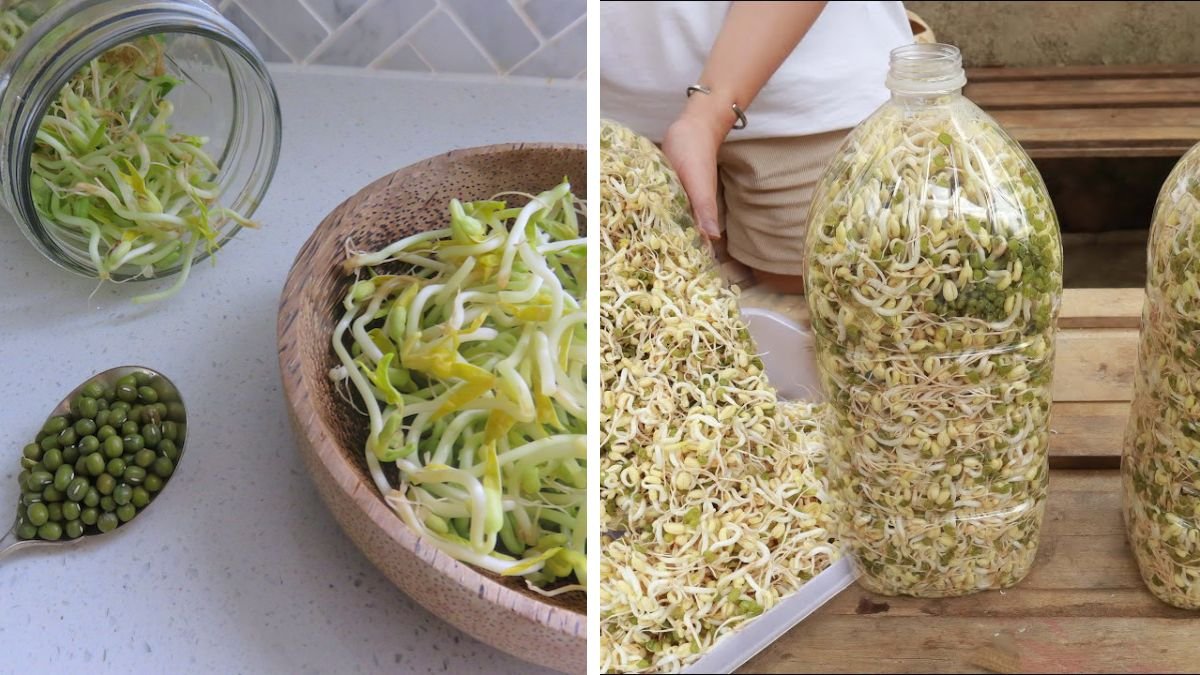
Bean sprouts are one of the healthiest and easiest foods to grow at home. They require no soil and very little space. Anyone can grow them in the kitchen. Bean sprouts are rich in vitamins and enzymes. Fresh sprouts taste better than store-bought ones. This method is perfect for beginners. It saves money and ensures hygiene. Making bean sprouts at home is truly easy for everyone.
Why Bean Sprouts Are Perfect for Beginners
Bean sprouts grow quickly. They do not require sunlight. No soil or fertilizer is needed. Growth happens within days. Minimal effort produces fresh food. This builds gardening confidence. Ideal for busy lifestyles.
Best Beans for Sprouting
Green gram grows best. Mung beans sprout quickly. Lentils also work well. Avoid treated seeds. Choose fresh and whole beans. Quality seeds ensure healthy sprouts.
Tools Required for Sprouting
A clean jar or container is enough. A cotton cloth or mesh lid is useful. Clean water is essential. No special tools required. Simple setup encourages consistency.
Soaking the Beans
Soak beans overnight. Water activates germination. Use clean water. Do not over-soak. Proper soaking ensures uniform sprouting.
Draining and Rinsing Process
Drain water completely after soaking. Rinse beans twice daily. Proper drainage prevents rot. Moisture should be balanced. Cleanliness is key.
Ideal Temperature Conditions
Room temperature is sufficient. Avoid extreme heat or cold. Consistent temperature speeds growth. Sprouts grow best naturally.
Growth Timeline
Sprouts appear within twenty-four hours. Ready to eat in three days. Longer growth gives longer sprouts. Harvest based on preference.
Maintaining Hygiene
Wash hands before handling. Clean containers regularly. Use fresh water. Hygiene ensures safe consumption.
Avoiding Common Sprouting Problems
Excess water causes smell. Poor drainage leads to mold. Old beans sprout poorly. Correct handling avoids issues.
Storage of Bean Sprouts
Refrigerate after harvesting. Use within two days. Do not store wet. Fresh sprouts taste best.
Nutritional Benefits
High in protein. Rich in vitamins. Improves digestion. Low in calories. Supports healthy diet.
Using Sprouts in Cooking
Add to salads. Use in stir-fries. Ideal for sandwiches. Enhances flavor and nutrition.
Sprouting Comparison Table
| Aspect | Store Bought | Home Made |
|---|---|---|
| Freshness | Low | Very high |
| Cost | High | Very low |
| Hygiene | Uncertain | Controlled |
| Nutrition | Reduced | Maximum |
Cost Savings
Very low investment. Beans are inexpensive. No electricity required. Daily fresh food at minimal cost.
Perfect for Small Homes
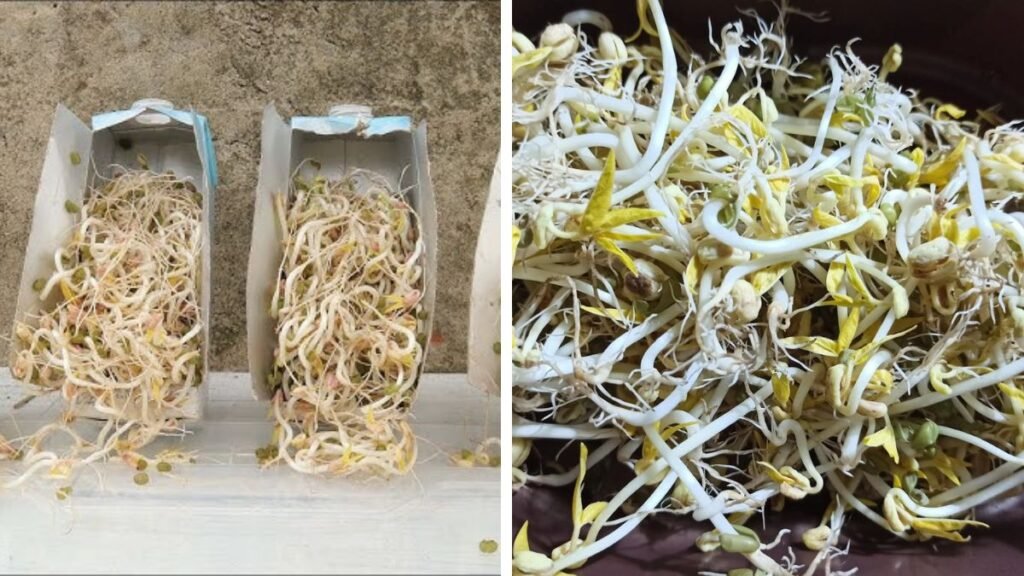
No space needed. Fits kitchen counter. Suitable for hostels and apartments.
Teaching Kids Healthy Habits
Easy learning activity. Encourages healthy eating. Builds food awareness.
Eco-Friendly Practice
No packaging waste. No transport emissions. Sustainable food habit.
Daily Routine Integration
Fits busy schedules. Requires minutes of care. Simple habit formation.
Common Mistakes to Avoid
Overwatering causes spoilage. Poor drainage leads to smell. Skipping rinsing causes mold.
Final Conclusion
Making bean sprouts at home is one of the easiest and healthiest food practices. It requires no soil, no space, and minimal effort. Anyone can enjoy fresh, nutritious sprouts daily. This simple habit improves health and saves money effortlessly.