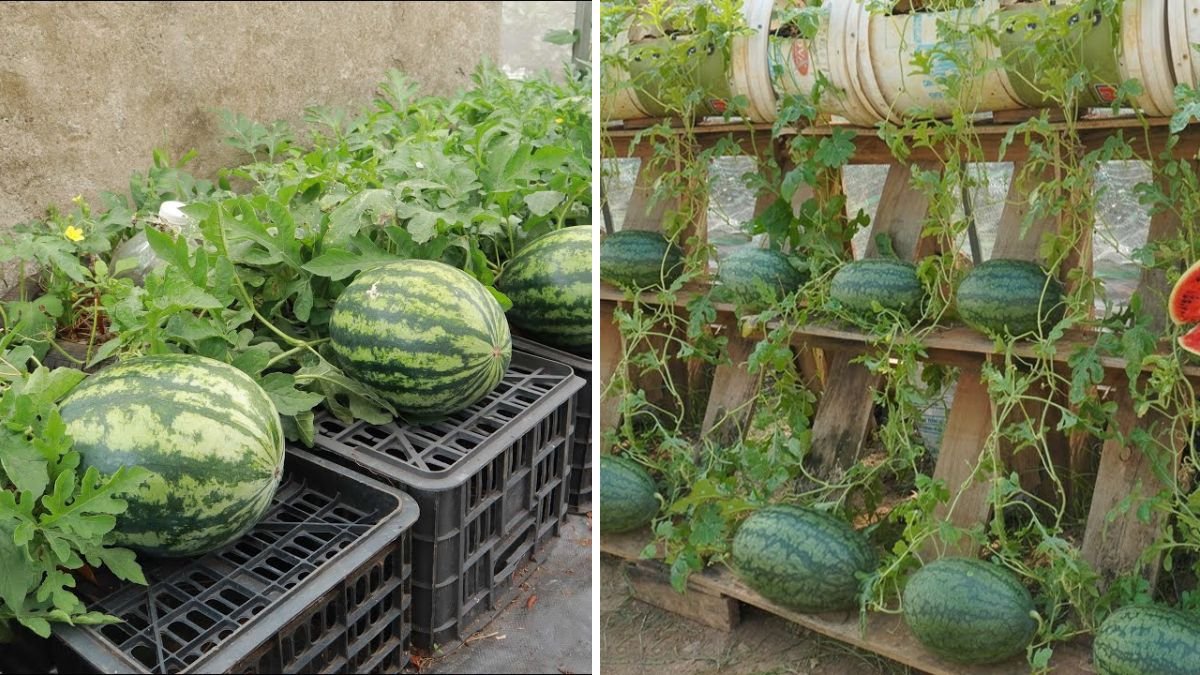
Many of us enjoy bananas daily, but often let overripe bananas go to waste. What if those ripe bananas could actually help you grow big, juicy watermelons at home? Using ripe bananas as part of a natural planting method is an innovative, sustainable, and highly effective technique that home gardeners around the world are now adopting.
This method not only reduces food waste but also enriches your soil, boosts plant growth, and can lead to higher yields of delicious, homegrown watermelons. In this guide, we’ll cover step-by-step instructions, why it works, and tips for maximizing growth.
Why Ripe Bananas Help Plants Grow
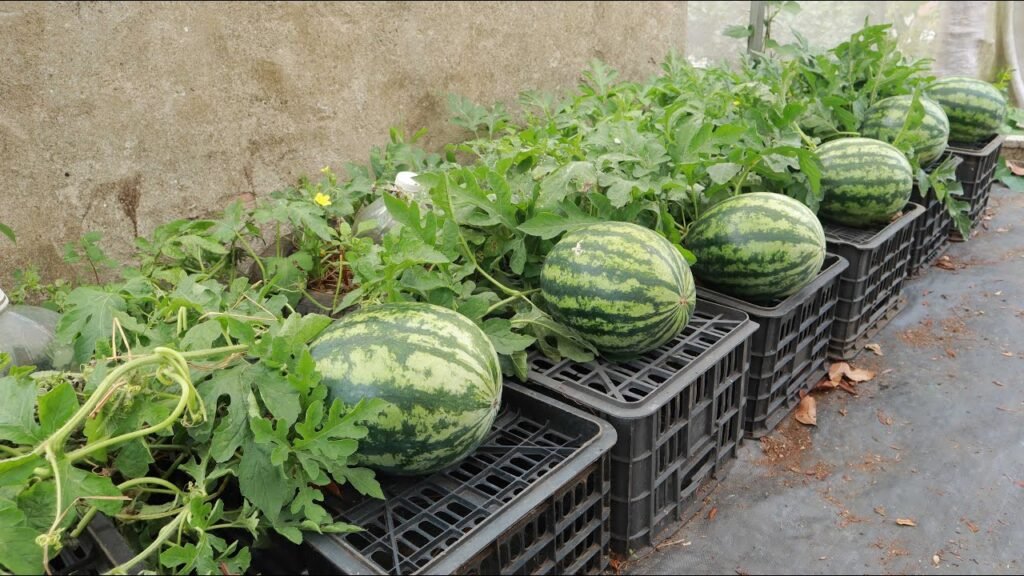
Ripe bananas are rich in nutrients that are essential for plant development, particularly for large fruiting plants like watermelons.
Nutrient Benefits
- Potassium: Promotes flowering and fruit development, resulting in sweeter, larger fruits
- Phosphorus: Supports strong root and stem growth
- Calcium: Prevents blossom-end rot in fruiting plants
- Organic matter: Improves soil structure and water retention
- Natural sugars: Stimulate beneficial microbial activity in the soil
By burying ripe bananas near watermelon seeds or seedlings, you create a mini nutrient reservoir that feeds plants naturally as the banana decomposes.
Step 1: Selecting the Watermelon Seeds or Seedlings
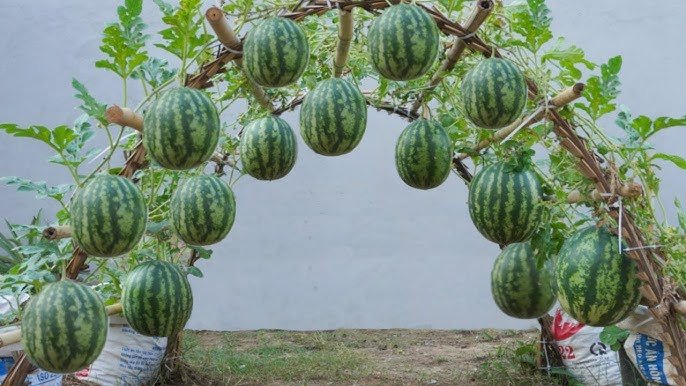
Starting with healthy seeds or seedlings is crucial for a successful crop.
Guidelines
- Choose watermelon seeds suitable for your climate
- Opt for disease-resistant or fast-growing varieties
- Seedlings should be strong, with healthy leaves and no signs of stress
Using robust seeds ensures high germination rates and vigorous plant growth.
Step 2: Preparing Ripe Bananas
Not every banana is ideal. Overripe bananas with brown spots work best because they decompose faster, releasing nutrients efficiently.
Preparation Steps
- Peel the banana and cut it into halves or quarters
- Optionally, mash it slightly to increase surface area
- Avoid chemically treated or unripe bananas
Ripe bananas act as a natural fertilizer capsule, perfect for nurturing watermelon plants.
Step 3: Preparing the Planting Site
Watermelons need well-draining, nutrient-rich soil and plenty of space to grow.
Soil Preparation
- Mix garden soil with compost or vermicompost (50:50 ratio)
- Add a little sand or cocopeat for aeration and drainage
- Dig a hole large enough to accommodate the banana and the watermelon seed/seedling
Ideal Location
- Full sunlight for at least 6–8 hours a day
- Space for vines to spread (watermelon vines can grow several feet)
Proper preparation ensures the plant establishes quickly and grows strong.
Step 4: Burying the Banana with the Seeds/Seedlings
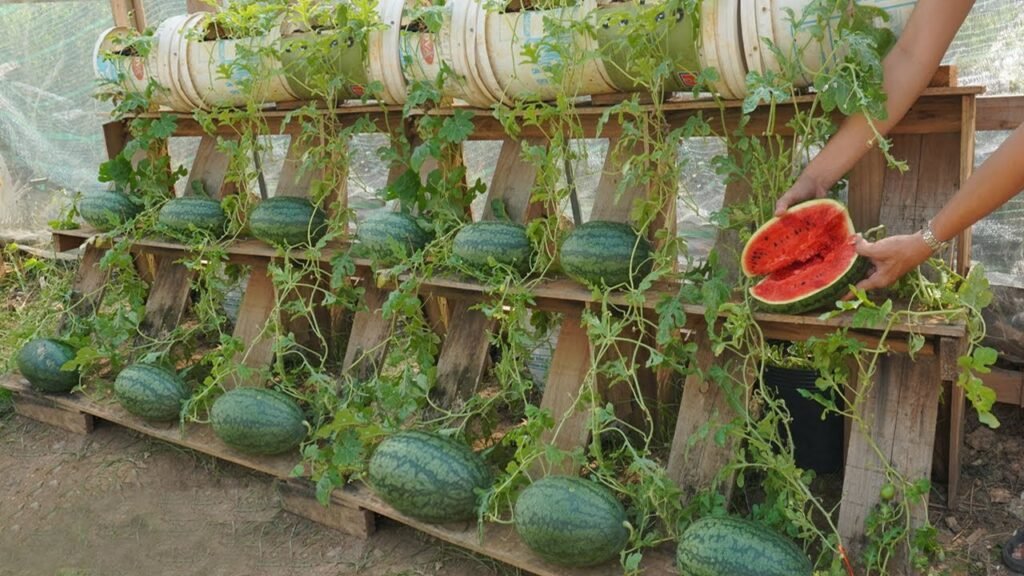
The placement of bananas is key to maximizing their benefits.
Steps
- Place the banana pieces at the bottom of the planting hole
- Plant watermelon seeds or seedlings just above the banana
- Cover with soil lightly, ensuring roots can reach the nutrients as they grow
- Water immediately to settle the soil around the roots
As the banana decomposes, it gradually releases nutrients, feeding the watermelon roots directly.
Step 5: Watering and Maintaining Moisture
Consistent watering is essential for watermelon plants, especially during germination and fruiting.
Watering Guidelines
- Water immediately after planting and maintain even soil moisture
- Avoid overwatering, which can cause root rot
- Mulch around the base to retain moisture and regulate soil temperature
- As vines grow, water deeply 1–2 times per week to encourage deep root growth
The buried banana also helps retain moisture in the soil, reducing water stress.
Step 6: Supporting Watermelon Vines
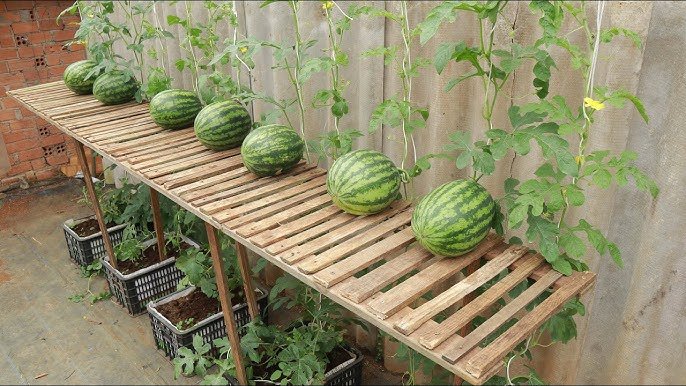
Watermelon plants are vigorous climbers and require support and space for optimal growth.
Tips
- Provide trellises or raised beds if growing vertically
- Prune unnecessary side shoots to direct energy to fruit development
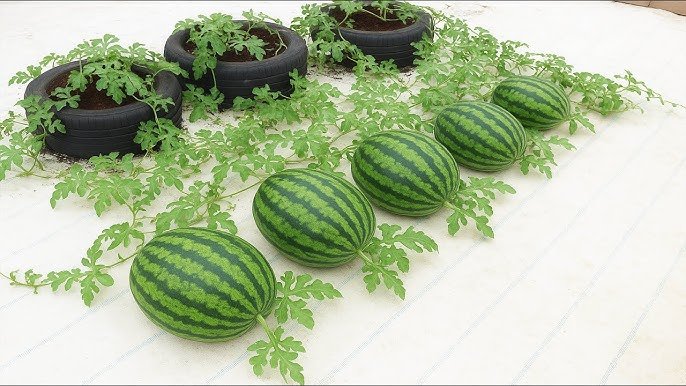
- Ensure vines have room to spread horizontally if grown on the ground
Proper support and pruning lead to larger, sweeter fruits.
Step 7: Fertilization and Additional Nutrients
Although bananas provide nutrients, additional fertilization can boost growth and fruit size.
Recommended Fertilizers
- Compost or vermicompost every 2–3 weeks
- Organic liquid fertilizer or compost tea during flowering
- Potash supplementation to increase fruit sweetness and size
- Avoid excessive nitrogen, which promotes leafy growth over fruit
Balanced fertilization ensures healthy plants with maximum yields.
Step 8: Pest and Disease Management
Even with rich soil and natural fertilizers, watermelon plants can face challenges.
Common Issues
- Aphids, whiteflies, and caterpillars
- Fungal diseases like powdery mildew
- Blossom-end rot due to nutrient imbalance
Organic Solutions
- Use neem oil or organic insecticides for pests
- Remove affected leaves and maintain airflow
- Mulch to prevent fungal spores from reaching plants
Healthy plants grown with ripe bananas are often more resilient to pests and diseases.
Step 9: Harvesting Watermelons
Watermelons grown with this method often produce larger, sweeter fruits compared to conventional methods.
Harvesting Tips
- Pick fruits when the underside turns creamy yellow and the tendrils near the fruit dry out
- Avoid leaving overripe fruits on the vine, which can reduce plant energy
- Harvest regularly to encourage continuous flowering and fruiting
With proper care, the banana-enhanced method can produce a bumper crop in your backyard.
Step 10: Benefits of Using Ripe Bananas for Watermelons
- Cost-effective: Reuses fruit that would otherwise go to waste
- Nutrient-rich: Provides potassium, phosphorus, and calcium naturally
- Improved fruit size and sweetness: Supports flowering and fruiting
- Water retention: Helps soil hold moisture for longer periods
- Beginner-friendly: Simple, sustainable, and effective for home gardeners
This method transforms kitchen waste into garden wealth, making it ideal for eco-conscious gardeners.
Final Thoughts: Transform Waste into Abundant Harvests
By using ripe bananas to enrich the soil, you can grow big, juicy watermelons at home without relying on chemical fertilizers. This simple, sustainable method combines waste reduction, nutrient enrichment, and natural irrigation, resulting in healthy plants, larger fruits, and higher yields.
Whether you have a backyard, terrace garden, or even a small container setup, this banana-based technique proves that you don’t need expensive tools or fertilizers to grow watermelons successfully. With just a few ripe bananas, a little care, and patience, you can enjoy delicious, homegrown watermelons season after season.