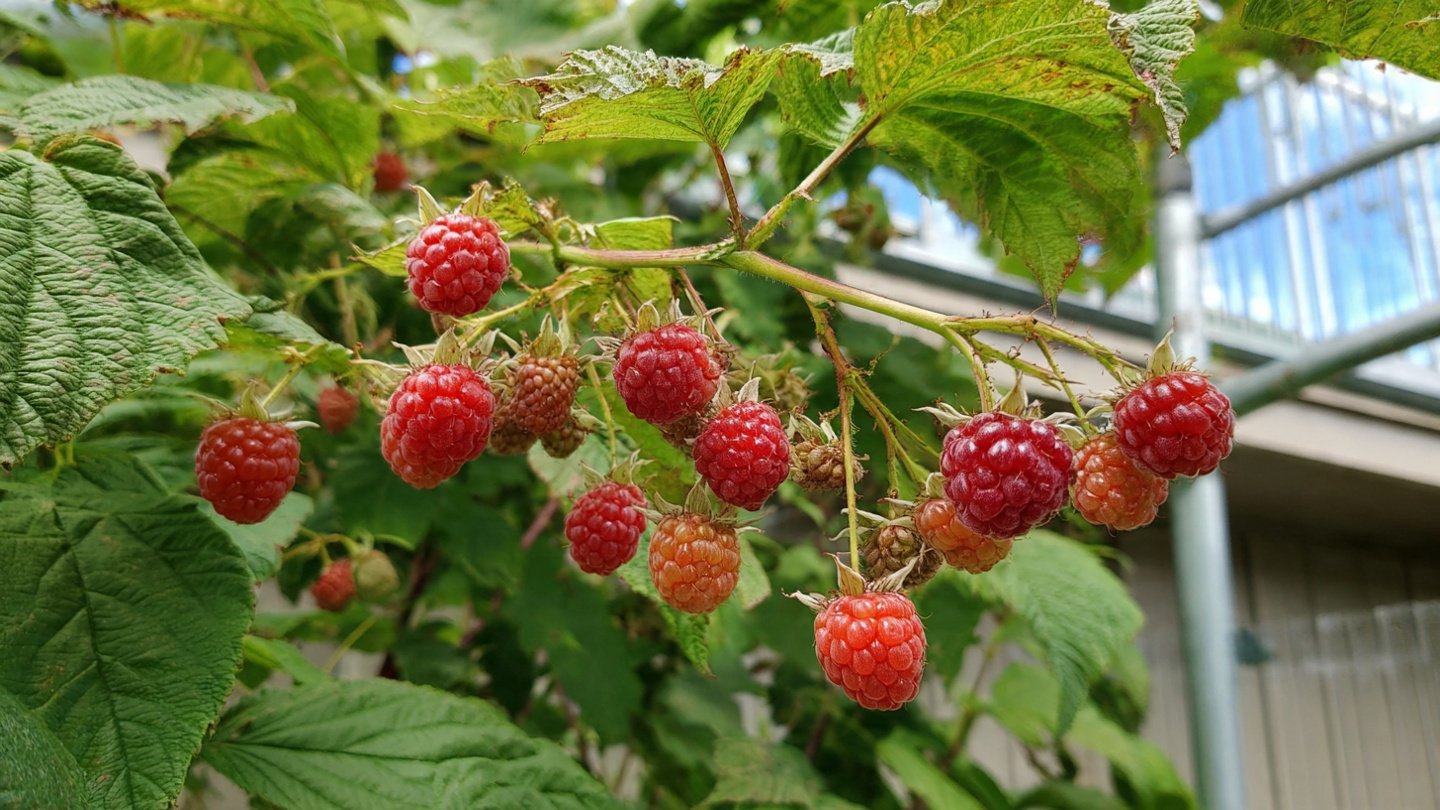
Raspberries are a beloved fruit and a staple in gardens across Canada. Their sweet, tangy nature makes them perfect for fresh eating, baking, and preserving. In Canadian climates, particularly, cultivating early ripening raspberry varieties can be a rewarding endeavor, ensuring a bountiful harvest even in the relatively shorter growing season. This article delves into the best techniques for successfully growing early ripening raspberries in Canada, covering everything from plant selection to care and pest management.
Understanding Raspberry Varieties
Before diving into cultivation techniques, it’s essential to know that not all raspberry varieties are created equal. In Canada, the two primary types of raspberries are:
- Summer-bearing raspberries: These produce fruit on stems that grew the previous year and typically ripen from late June to July.
- Fall-bearing raspberries (ever-bearing): These can produce fruit on both the previous year’s canes and new growth, providing two harvests—one in late summer and another in the fall.
For early ripening in cooler Canadian climates, consider the following varieties:
- Rubus idaeus ‘Heritage’: A popular fall-bearing variety known for its hardiness and ability to produce fruit early in the season.
- Rubus idaeus ‘Boyne’: Known for its adaptability to cold climates, this summer-bearing variety ripens in mid-June.
- Rubus idaeus ‘Latham’: Another hardy summer-bearing variety that yields sweet berries and is well-suited to northern conditions.
Site Selection and Preparation
Selecting the right site is crucial for raspberries to thrive. Here are some tips for choosing a site:
Sunlight and Space
- Sunlight: Raspberries love sunlight. Choose a location that receives at least 6-8 hours of direct sunlight each day. This helps ensure healthy, vigorous growth and better fruit production.
- Spacing: Raspberries require room to grow. Plant them 18-24 inches apart to allow air circulation and sunlight penetration, which are essential for healthy plants.
Soil Quality
- Soil Type: Raspberries prefer well-drained, loamy soil rich in organic matter. Heavy clay or overly sandy soils can hinder growth and fruiting.
- Soil pH: The ideal pH level for raspberries is between 5.5 and 6.5. Conduct a soil test before planting. If necessary, amend the soil with lime to raise pH or sulfur to lower it.
- Organic Matter: Incorporate compost or well-rotted manure into the soil before planting to enhance fertility and moisture retention.
Planting Techniques
Once your site is prepared, it’s time to plant. Here’s a step-by-step guide:
- Timing: In Canada, plant raspberries in early spring, once the danger of frost has passed, or in fall before the ground freezes.
- Digging Holes: Dig holes that are approximately 12-18 inches apart, making sure each hole is wide enough to accommodate the root system.
- Planting Depth: Place the raspberry plants in the holes and cover the roots with soil, ensuring that the crown (the part where the roots meet the stem) is level with the soil surface.
- Watering: Water them thoroughly after planting, ensuring the soil is moist but not soggy.
- Mulching: Apply a layer of mulch around the plants to retain moisture, suppress weeds, and regulate soil temperature.
Supporting Your Raspberries
Providing adequate support for raspberry plants is crucial for proper growth. Here are effective methods:
Trellising
A trellis system can help keep the canes upright, allowing for better air circulation and sunlight exposure. Here’s how to create a simple trellis:
- Materials Needed: 4-foot wooden or metal posts and heavy-gauge wire.
- Installation: Install posts at 8-10 feet apart along the planting row. Tie wire at 3 and 5-foot heights along each post, creating a sturdy framework for the plants to climb.
Watering and Fertilization
Proper watering and fertilization are critical for the healthy growth and fruiting of raspberries.
Watering
- Frequency: Raspberries require about 1-2 inches of water weekly. Drip irrigation is optimal as it delivers water directly to the roots, minimizing fungal diseases.
- Mulch Usage: The layer of mulch you added earlier helps retain soil moisture, reducing the need for frequent watering.
Fertilization
- Initial Fertilization: Apply a balanced fertilizer (like 10-10-10) at planting time.
- Ongoing Fertilization: Use a nitrogen-rich fertilizer early in the growing season to promote lush growth. Be cautious, as excessive nitrogen can lead to poor fruit development.
- Late-Season Fertilization: In late summer, switch to a low-nitrogen fertilizer to encourage dormancy and prepare plants for winter.
Pruning for Production
Pruning is essential to keep raspberry plants healthy, productive, and manageable. Here’s a guide based on the variety:
- Summer-bearing Varieties: prune immediately after the harvest. Remove the canes that bore fruit last season, as they will not produce again. Trim back the remaining canes to encourage new growth.
- Fall-bearing Varieties: You can prune these in early spring. Cut all canes to the ground to encourage new growth for the upcoming season, or leave some to enjoy a fall harvest, depending on your preferences.
Pest and Disease Management
Raspberries are susceptible to various pests and diseases. Proactive management is critical to ensure a bountiful harvest.
Common Pests
- Spider Mites: Small pests that can cause stippling on leaves. Regularly checking the undersides of leaves can help catch them early.
- Fruit Flies: These pests lay eggs in overripe fruit. Regular harvesting and prompt removal of any damaged or fallen fruit can mitigate their presence.
Common Diseases
- Root Rot: Caused by overly wet conditions. Ensure proper drainage and avoid watering at night.
- Powdery Mildew: A fungal disease that thrives in humid conditions. Space plants properly and provide good air circulation to control this issue.
Organic Control Methods
- Use neem oil or insecticidal soap to manage pests naturally.
- Rotate crops and practice good sanitation to reduce the incidence of disease.
Harvesting Your Raspberries
Knowing when to harvest is crucial for enjoying your raspberries at their peak flavor.
- Timing: Raspberries are ready to harvest when they easily pull away from the stem, usually signaled by a deep color.
- Method: Gently twist or pull each berry to avoid damaging the plant. Consider harvesting in the early morning when temperatures are cooler and berries are firmer.
FAQs
1. What is the best time to plant raspberries in Canada?
The best time to plant raspberries is early spring, after the last frost date. You can also plant in late fall before the ground freezes.
2. How long does it take for raspberries to bear fruit?
Most raspberry varieties will start to bear fruit about one year after planting, with full production typically occurring in the second or third year after planting.
3. Can I grow raspberries in containers?
Yes, raspberries can be grown in containers, especially dwarf varieties. Ensure the container is large enough (at least 5 gallons) and has proper drainage.
4. How do I prevent pests in my raspberry patch?
Regular monitoring, timely harvesting, and the use of natural pest control methods, such as neem oil, can help manage pests effectively.
5. What should I do if my raspberries aren’t producing fruit?
Possible causes include insufficient sunlight, poor soil quality, or incorrect watering practices. Assess the growing conditions and make necessary adjustments.
Conclusion
Cultivating early ripening raspberries in Canadian climates can be both enjoyable and productive. Through careful variety selection, site preparation, and diligent care, you can enjoy ripe, delicious raspberries even in the cooler months. Embrace these techniques, and soon you’ll have your very own raspberry patch bursting with fruit!