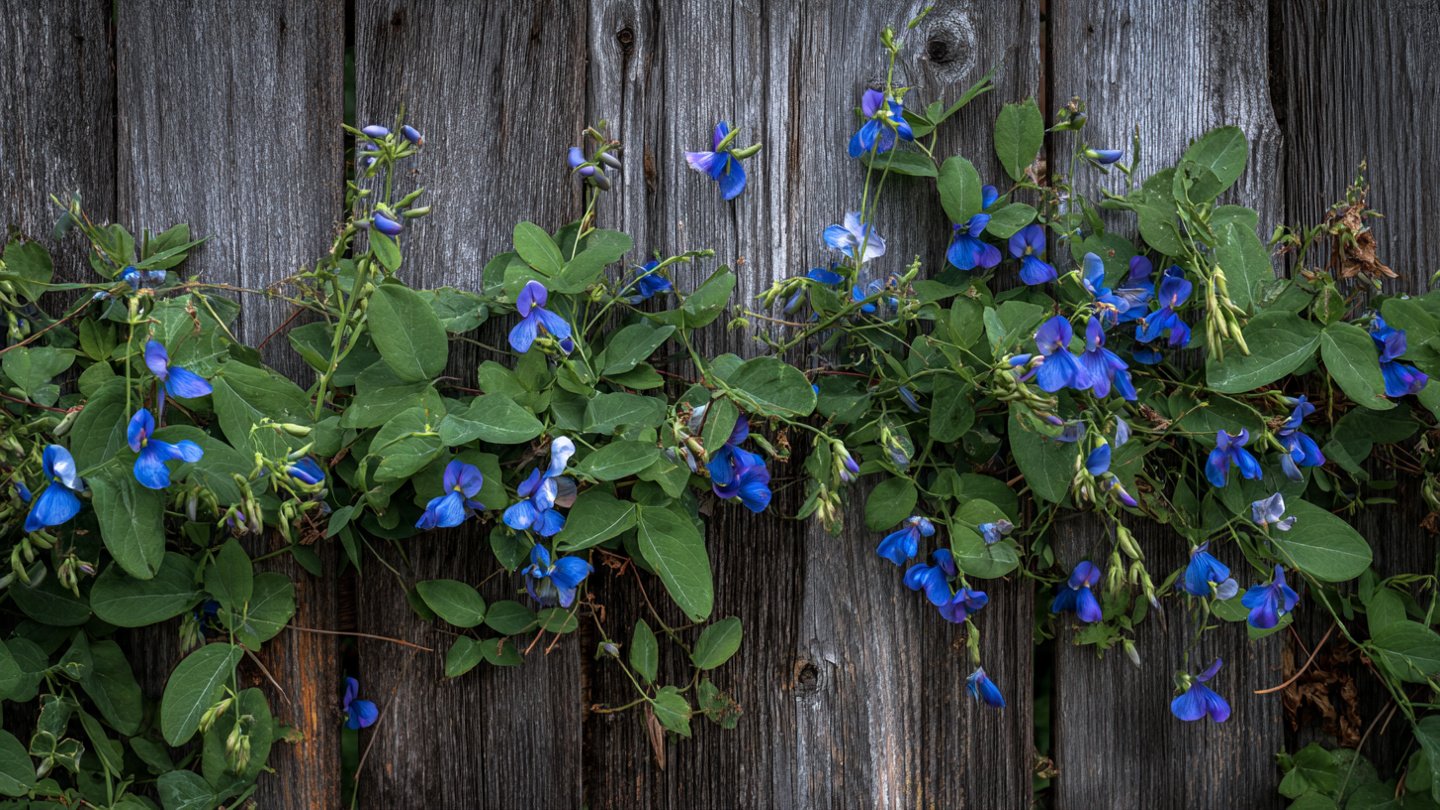
Are you looking for an easy way to bring vibrancy and beauty to your garden? Consider the enchanting blue pea vine, also known as Clitoria ternatea. With its stunning blue flowers and hardy nature, this tropical plant can transform your garden fence into a natural masterpiece. In this article, we will explore how to cultivate blue pea vines effortlessly, along with tips on care, propagation, and answers to frequently asked questions.
What is the Blue Pea Vine?
The blue pea vine is a perennial climbing plant native to tropical Asia. Known for its striking blue flowers shaped like a butterfly, this vine is often used in traditional medicine, herbal teas, and as a natural dye. The plant is highly coveted for its ornamental appeal as its vivid flowers can bloom year-round in suitable climates.
Choosing the Right Location
Sunlight Requirements
Blue pea vines thrive in full sunlight, requiring at least 6 to 8 hours of direct sunlight each day. When selecting a location on your garden fence, choose a spot that receives ample sunlight, as this will promote healthy growth and abundant flowering.
Soil Conditions
The blue pea vine prefers well-draining soil rich in organic matter. A slightly acidic to neutral soil pH (around 5.5 to 7) is ideal. If your soil is heavy or compacted, consider amending it with compost or well-rotted manure to enhance drainage and fertility.
Space Consideration
Blue pea vines are vigorous climbers; they can reach heights of 10 feet or more. Ensure your garden fence is sturdy enough to support this lush growth, and allow for enough horizontal space to avoid overcrowding.
Planting Blue Pea Vines
Seed Selection
To start cultivating blue pea vines, you can either use seeds or established plants. Seeds are readily available from garden centers or online. Look for fresh, high-quality seeds for the best results.
Seed Preparation
Soak the seeds in water for 12 to 24 hours before planting. This softens the hard seed coat, improving germination rates.
Planting Steps
- Digging the Hole: Prepare small holes about 1 inch deep and 1-2 feet apart along your garden fence.
- Planting the Seeds: Place one seed in each hole and cover it with soil.
- Watering: Water gently to moisten the soil, making sure not to over-saturate. Maintain consistent moisture until seedlings emerge.
Transplanting Established Plants
If you opt for established blue pea vines, choose healthy plants from your garden center. Follow these steps for successful transplanting:
- Soil Preparation: Improve the soil in the planting area by mixing in compost.
- Digging: Create a hole that is twice the size of the root ball of the plant.
- Placement: Set the plant in the hole, ensuring the top of the root ball is level with the soil surface.
- Filling: Backfill the hole with soil and water thoroughly.
Supporting the Vines
Trellis or Fence
As blue pea vines grow, they will require support to climb. If your fence is not conducive to climbing, consider installing a trellis or lattice nearby for the vines to latch onto. Ensure the support structure is robust enough to hold the weight of the plant as it matures.
Training the Vines
For optimal growth, gentlyTraining the vines to climb the fence or trellis will encourage fuller coverage and potentially lead to more prolific flowering. You can do this by tying the vines loosely to the support structure, but be careful not to damage the delicate stems.
Caring for Blue Pea Vines
Watering
Blue pea vines prefer consistent moisture but are susceptible to waterlogging. Water the plants regularly during dry spells, ensuring the soil remains moist but not soggy.
Fertilization
To promote healthy growth and lush flowering, you can use a balanced, water-soluble fertilizer every four to six weeks. Organic options, like fish emulsion or compost tea, are also beneficial.
Pruning
Pruning is essential for maintaining the health and appearance of your blue pea vines. Remove dead or diseased leaves and spent flowers to encourage new growth. Additionally, trim back overgrown areas to prevent overcrowding and improve air circulation.
Harvesting and Usage
Once the blue pea vines mature, you’ll notice an abundance of beautiful blue flowers. The flowers can be harvested for various uses:
- Culinary Applications: The vibrant flowers are edible and can be used in salads or as a natural food coloring for different dishes.
- Herbal Tea: Dried flowers can be brewed to make a rich herbal tea known for its myriad health benefits, including antioxidant properties.
- Natural Dye: The intense blue pigment extracted from the flowers can be used as a natural dye for fabrics and other materials.
Troubleshooting Common Issues
When cultivating blue pea vines, you may encounter some challenges. Here are common problems and their solutions:
Pests
Common Pests: Aphids and spider mites can be a nuisance.
Solution: Use insecticidal soap or neem oil as a natural pesticide.
Diseases
Common Diseases: Fungal infections can occur, especially in humid conditions.
Solution: Ensure good air circulation around the vines and avoid overhead watering. If disease symptoms appear, remove affected areas immediately.
Seasonal Care
While blue pea vines are resilient, they may require specific care as seasons change. In colder climates, you may need to protect the vines from frosts. Consider mulching around the base to insulate the roots. In tropical regions, the plants thrive year-round, requiring minimal intervention.
Conclusion
Cultivating blue pea vines on your garden fence is a rewarding project that adds beauty and functionality to your outdoor space. With their stunning appearance and numerous uses, these hardy plants are an excellent addition to any garden. Follow the simple steps outlined in this article to grow your blue pea vines successfully, and enjoy the lush green foliage and vibrant blue flowers for years to come.
FAQs
1. How long do blue pea vines take to grow?
Blue pea vines typically germinate within 7-14 days, and you can expect significant growth within a few weeks of planting. Full maturity may take around 3 months, depending on conditions.
2. Can blue pea vines be grown in containers?
Yes, blue pea vines can be grown in large containers with ample support. Ensure the pot has proper drainage and sufficient soil depth.
3. How do I propagate blue pea vines?
You can propagate blue pea vines easily via seeds or cuttings. For cuttings, take a healthy stem and root it in water or soil.
4. Are blue pea flowers safe to eat?
Yes, blue pea flowers are edible and safe for consumption. They are often used in culinary dishes and herbal teas.
5. Do blue pea vines attract pollinators?
Absolutely! The vibrant flowers attract various pollinators, including bees and butterflies, making them a great addition to a pollinator-friendly garden.
By following the tips outlined in this article, you’re well on your way to cultivating beautiful blue pea vines on your garden fence, creating an eye-catching natural display while enjoying the numerous benefits this plant has to offer. Happy gardening!