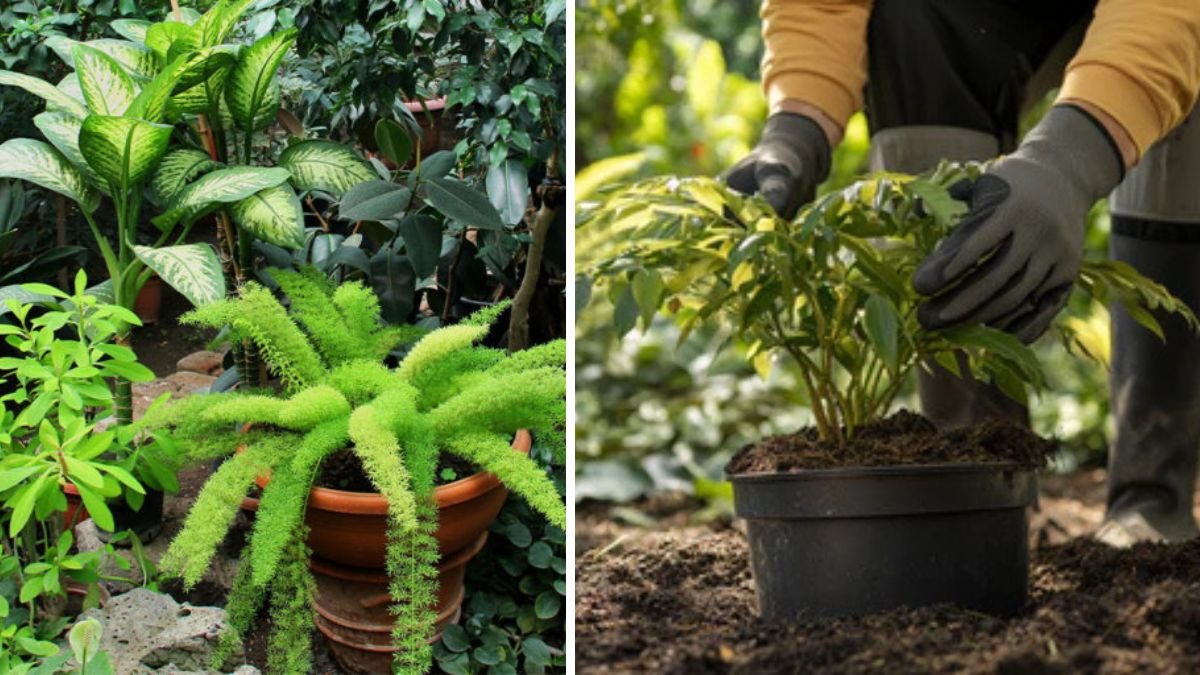
Creating a lush tropical garden experience in your backyard can transform your living space into a serene paradise. One plant that can add an exotic flair to your garden is Aralia. Known for its striking foliage and unique structure, Aralia is a versatile plant that thrives in various environments. This article will guide you through the process of successfully cultivating Aralia, including tips on care, propagation, and creating the ideal environment for growth.
Understanding Aralia: A Brief Overview
Aralia belongs to the Araliaceae family, which encompasses a diverse range of species, some of which are sought after for ornamental purposes. Common varieties include Polyscias, Fatsia, and Schefflera. These plants are characterized by their large, glossy leaves and varying growth habits, making them suitable for both indoor and outdoor settings.
Why Choose Aralia for Your Garden?
- Aesthetic Appeal: Aralia plants boast an exotic appearance, often resembling tropical palms or ferns, which can elevate the visual interest of your garden.
- Versatility: They can be grown in pots or directly in soil, suited for shaded areas or as part of a mixed planting scheme.
- Air Quality: Many Aralia species improve indoor air quality, making them beneficial for both indoor and outdoor gardens.
Choosing the Right Variety for Your Garden
Before diving into cultivation, it’s essential to select the right Aralia variety for your specific environment:
- Polyscias: This shrub can grow quite tall and is perfect for creating a lush backdrop in your garden.
- Fatsia japonica: With its large, palmate leaves, this species is ideal for shady areas and can even tolerate cool temperatures.
- Schefflera: Often known as the umbrella tree, it thrives in bright, indirect light and can become a stunning focal point in your garden.
Planting Aralia: Step-by-Step Guide
1. Choosing the Planting Site
Light: Aralia plants generally prefer partial to full shade. Make sure to avoid direct sunlight, which can scorch their leaves.
Soil: Opt for well-draining soil with a slightly acidic to neutral pH. A mixture of potting soil and perlite or sand will provide the necessary drainage.
2. Preparing the Soil
- Test the pH: Use a soil pH tester to ensure it falls between 6.0 and 7.0.
- Amend the soil: Incorporate organic matter like compost or well-rotted manure to enrich the soil.
3. Planting
- Spacing: If planting multiple Aralia plants, space them about 2-3 feet apart to allow for adequate growth.
- Dig the hole: Make a hole twice as wide as the root ball and as deep as needed to accommodate the roots without bending them.
- Planting: Gently remove the plant from its pot, place it in the hole, and backfill with soil. Water thoroughly after planting.
Care and Maintenance
Once your Aralia is planted, regular care is vital for a thriving garden.
Watering
- Consistency: Keep the soil consistently moist but not soggy. Watering once or twice a week, depending on the climate, is usually sufficient.
- Signs of Overwatering: Yellow leaves or root rot can indicate excessive moisture.
Fertilizing
- Type of Fertilizer: Use a balanced, slow-release fertilizer during the growing season (spring and summer).
- Frequency: Fertilize every 4-6 weeks for optimal growth.
Pruning
- When to Prune: Early spring is the best time to prune your Aralia.
- How to Prune: Remove any dead or yellowing leaves and cut back overly aggressive growth to maintain shape.
Pest Control
Aralia plants are generally pest-resistant, but it’s essential to monitor for common pests like aphids, mealybugs, and spider mites.
- Natural Remedies: Use insecticidal soap or neem oil to tackle minor infestations.
- Regular Inspections: Periodically check the underside of the leaves for pests.
Propagating Aralia
Propagation can be accomplished through several methods, including:
1. Stem Cuttings
- Taking Cuttings: Use a sharp knife or scissors to cut a healthy stem with at least two leaves.
- Rooting Medium: Place the cutting in a pot with moist soil or water until roots begin to develop (usually 3-4 weeks).
2. Division
If you have an established Aralia plant, division is an effective method:
- When to Divide: Spring is the best time to divide an Aralia.
- How to Divide: Carefully separate the root ball into smaller sections, ensuring each section has roots and foliage.
Creating a Tropical Garden Atmosphere
1. Choose Complementary Plants
Pair Aralia with other tropical plants like ferns, Bromeliads, or hostas for a lush, layered effect.
2. Incorporate Water Features
Adding fountains, ponds, or birdbaths can enhance the tropical feel, providing moisture and attracting wildlife.
3. Utilize Hardscaping
Stone pathways, wooden benches, and decorative pots can help to create a cohesive and inviting environment.
Seasonal Care Guidelines
Spring
- Begin fertilization.
- Inspect for pests.
- Prune as necessary.
Summer
- Water regularly to maintain moisture.
- Provide shade if temperatures soar.
Fall
- Gradually reduce watering.
- Prepare for dormancy by stopping fertilization.
Winter
- If grown indoors, ensure adequate light and humidity.
- If outdoors in temperate areas, mulch to protect the roots.
FAQ Section
Q1: Can Aralia be grown indoors?
Yes, Aralia can be grown indoors, provided it has sufficient light, humidity, and warmth.
Q2: How often should I water my Aralia?
Watering once or twice a week is typically sufficient, depending on your climate and soil conditions.
Q3: Is Aralia low maintenance?
Generally, Aralia plants require moderate care, including regular watering and occasional pruning.
Q4: Can Aralia tolerate frost?
Most Aralia species do not tolerate frost well. Bring them indoors if the temperature dips below freezing.
Q5: What are the common pests affecting Aralia?
Common pests include aphids, spider mites, and scale insects. Regular inspections and natural remedies can help manage these issues.
Conclusion
Cultivating Aralia in your tropical garden can create a vibrant and lush oasis right at home. By following the tips outlined in this article, including site selection, planting, care, and propagation strategies, you can enjoy the beauty of Aralia in your garden all year round. With a bit of effort and patience, your garden will flourish, offering a serene retreat that transports you to a tropical paradise. Happy gardening!