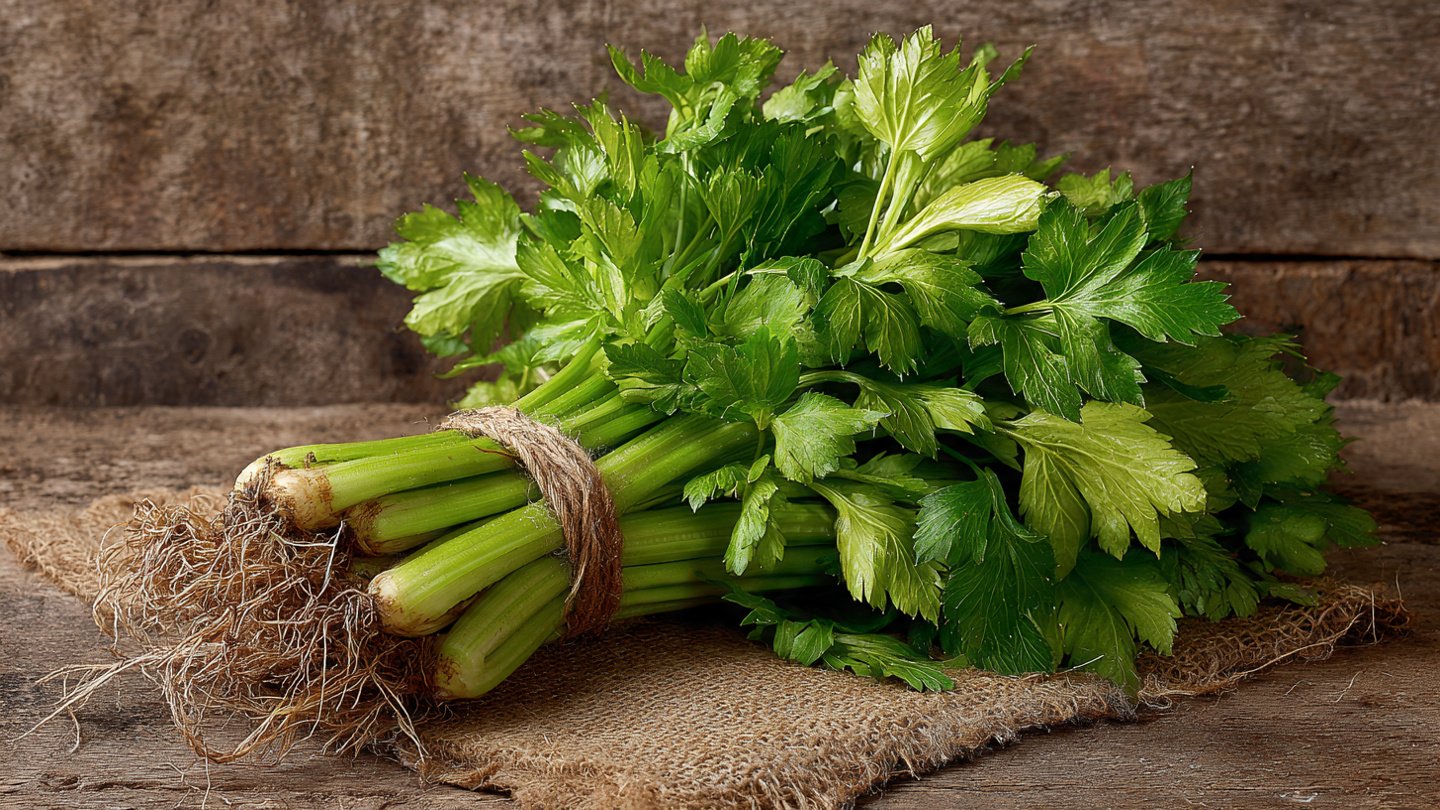
Celery (Apium graveolens) is a versatile vegetable, prized for its crisp texture and refreshing flavor. Whether used in soups, salads, or as a raw snack, celery adds a delightful crunch to a variety of dishes. However, growing celery can be challenging, especially for novice gardeners. One of the most frustrating issues faced is bolting, where the plant prematurely produces flowers and seeds, leading to a bitter taste and a woody texture. In this article, we will explore effective techniques for cultivating celery successfully while minimizing the risk of bolting.
Understanding Celery’s Growing Needs
Climate and Location
Celery thrives in cool weather, ideally between 60°F to 70°F (15°C to 21°C). Growing celery in a hot climate can trigger bolting, so it’s essential to pay attention to the season. Ideally, celery should be planted in early spring or late summer for a fall harvest.
Choose a spot with partial to full sunlight. While celery can tolerate shade, it grows best in areas receiving at least 6 hours of sunlight per day. If you live in a particularly hot area, consider using shade cloth to protect your crops during the hottest part of the day.
Soil Requirements
Celery requires rich, well-draining soil that retains moisture. The optimal pH level should be between 6.0 to 7.0. Before planting, amend the soil with organic matter such as compost or well-rotted manure to enhance its fertility.
Watering
Celery has shallow roots, which makes consistent moisture crucial. Aim to keep the soil evenly moist, as fluctuations can lead to stress and, ultimately, bolting. Water the plants deeply at least once a week, more often during extremely hot conditions. A layer of mulch can help retain soil moisture and regulate temperature.
Techniques to Prevent Bolting
Choose Bolt-Resistant Varieties
Selecting the right variety of celery can make a significant difference. Look for bolt-resistant options such as ‘Giant Pascal’ or ‘Utah Tall Celery’. These varieties have been bred to handle heat better and are less susceptible to early flowering.
Appropriate Timing of Planting
As previously mentioned, timing is crucial to prevent bolting. Starting seeds indoors 10-12 weeks before the last frost date ensures that your plants have enough time to mature during cooler weather. If planting in the late summer for a fall harvest, ensure you are doing so at least 12 weeks before the first expected frost.
Adequate Nutrients
Celery is a heavy feeder, which means it requires plenty of nutrients throughout its growing period. Incorporate a balanced fertilizer and consider using a liquid fertilizer every few weeks to promote lush, green growth. Avoid over-fertilizing, as this can lead to lush growth that is more susceptible to bolting.
Monitor Temperature Fluctuations
Rapid temperature changes can stress celery plants. If a heatwave is expected, consider providing temporary shade or row covers to protect them from extreme heat. Conversely, during colder spells, row covers can help retain warmth.
Succession Planting
Instead of planting all your celery at once, consider spacing out your planting dates every couple of weeks. This ensures that you have a continuous supply of celery while mitigating the risk of all your plants bolting simultaneously due to unexpected weather conditions.
Best Practices for Growing Celery
Transplanting Seedlings
When seedlings are 3-4 inches tall and have developed several true leaves, it’s time to transplant them outdoors. Space them about 8-10 inches apart to allow for adequate growth. Be gentle during this process to avoid damaging the roots.
Pest and Disease Management
Celery can be susceptible to various pests such as aphids, slugs, and nematodes. Regularly inspect your plants and take action promptly if you notice any pests. Organic methods, such as introducing beneficial insects or using insecticidal soap, can be effective.
Harvesting Celery
Celery takes about 90-120 days to reach maturity. You can start harvesting when the stalks are about ½ to 1 inch in diameter. Rather than pulling the entire plant, cut the outer stalks at the base, allowing the inner stalks to continue growing. This method not only prolongs your harvest but also enhances the overall yield.
Tips for Post-Harvest Care
Storage
To maintain freshness, trim the bottom of the stalks and store them in the refrigerator in a plastic bag. Celery can last up to two weeks if stored properly, but it’s best enjoyed fresh.
Rotating Crops
After harvesting celery, consider rotating with different crops in the following season to avoid soil-borne diseases and nutrient depletion. Root crops or legumes can be excellent choices for the following year.
Troubleshooting Common Problems
Leaf Browning
If you notice the tips of celery leaves turning brown, it may indicate underwatering or excessive fertilization. Adjust your watering schedule accordingly and avoid over-fertilizing.
Slow Growth
Slow growth can be attributed to poor soil conditions, inadequate sunlight, or insufficient water. Ensure that your plants are receiving the nutrients and care they need.
Premature Bolting
If you notice any signs of bolting, it’s often best to harvest the plant immediately to save it from becoming inedible.
Conclusion
Successfully cultivating celery requires attention to detail, patience, and a willingness to adapt to changing conditions. By employing simple techniques and maintaining diligent care, you can enjoy a bountiful harvest without the risk of bolting. Above all, understanding the specific needs of this unique vegetable will lead you to a successful and fruitful gardening experience.
FAQs
1. How long does it take for celery to grow from seed to harvest?
Celery typically takes 90-120 days to grow from seed to harvest, depending on the variety and growing conditions.
2. Can I grow celery in containers?
Yes, celery can be grown in containers, but ensure the pots are deep enough (at least 12-14 inches) to accommodate the celery’s root system.
3. What should I do if my celery starts to bolt?
If your celery plants start to bolt, harvest them immediately. The taste will be bitter, but they can be used in cooking to balance other flavors.
4. How often should I water my celery?
Celery needs consistently moist soil. Water deeply at least once a week, and more frequently during hot spells to avoid stress.
5. Are there any companion plants for celery?
Good companion plants for celery include beans, tomatoes, and onions. Avoid planting celery near carrots, as they can compete for nutrients.
By following these guidelines and remaining vigilant, you can cultivate your celery successfully and enjoy this nutritious vegetable year-round. Happy gardening!