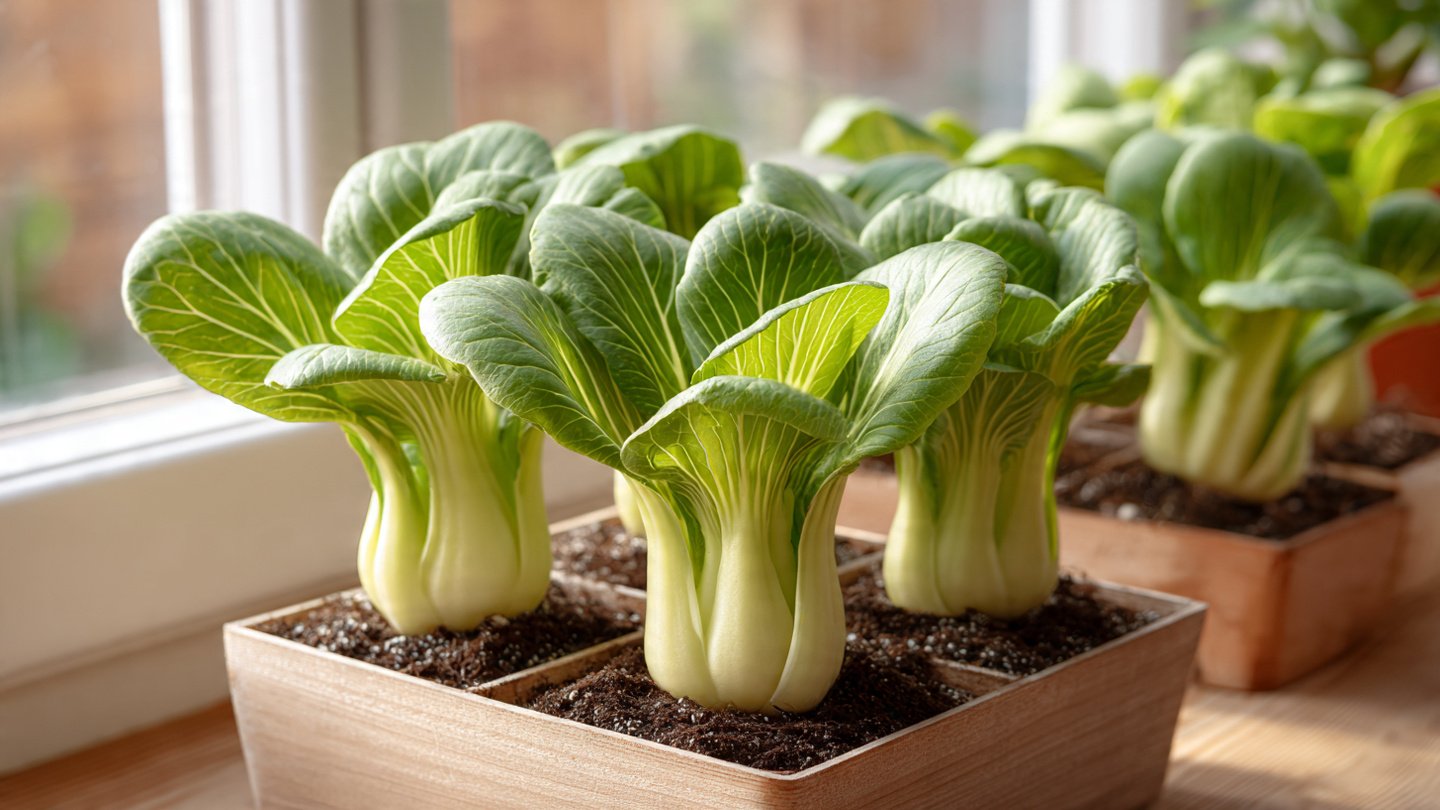
Bok choy, a delicious and nutritious leafy green, is a staple in many Asian cuisines and beloved for its tender crunch and mild flavor. Whether you’re a seasoned gardener or a curious beginner, growing bok choy indoors can be a rewarding experience. With the right conditions and care, you can cultivate this versatile vegetable year-round. This article will guide you through the steps and best practices to successfully grow bok choy indoors, ensuring a constant supply of fresh greens right at your fingertips.
Why Grow Bok Choy Indoors?
Growing bok choy indoors offers several advantages:
- Year-Round Availability: With controlled indoor conditions, you can grow bok choy at any time, regardless of the season.
- Pest Control: Indoor gardening minimizes encounters with pests, reducing the need for chemical interventions.
- Space Efficiency: Bok choy is suitable for small spaces, making it perfect for apartments or homes with limited outdoor gardening areas.
- Freshness: Having your own supply means the freshest leaves for your dishes, packed with nutrients and flavor.
Getting Started: Supplies You’ll Need
Before you begin growing bok choy indoors, gather the necessary supplies:
- Containers: Choose pots with drainage holes. Bok choy can thrive in containers that are at least 6-12 inches deep and wide.
- Soil: Use high-quality potting soil that retains moisture but drains well. Look for mixes formulated for vegetables.
- Seeds or Seedlings: You can start from seeds or purchase small seedlings from a nursery.
- Light Source: If natural light is insufficient, consider grow lights to provide adequate illumination.
- Watering Can: For maintaining moisture levels in the soil.
- Fertilizer: A balanced, all-purpose fertilizer to boost nutrient levels.
Step-by-Step Guide to Growing Bok Choy Indoors
1. Choose the Right Variety
Bok choy comes in several varieties. The two main types are:
- Chinese Bok Choy (Small): A smaller leaf variety that matures relatively quickly.
- Shanghai Bok Choy: A larger, thicker variety that tends to be sweeter.
Choose a variety suited to your taste and growing conditions.
2. Preparing Your Containers
- Drainage: Ensure your containers have drainage holes to prevent waterlogging.
- Soil Preparation: Fill the pots with your potting mix, leaving an inch or so at the top. You can mix in organic compost for added nutrients.
3. Sowing Seeds
- Seed Spacing: If using seeds, sow them about half an inch deep and 2-4 inches apart. If using seedlings, plant them at the same depth they were in their original pots.
- Moisture: Water the soil lightly after planting to moisten it without causing saturation.
4. Providing Light
Bok choy thrives with plenty of light. Ideally, it needs 12-16 hours of light per day:
- Natural Light: Place your containers near a south-facing window. Monitor the plants and rotate them for even light exposure.
- Grow Lights: If natural light is inadequate, use LED or fluorescent grow lights. Position the lights 2-6 inches above the plants and keep them on a timer for consistent light exposure.
5. Temperature and Humidity
Bok choy prefers cooler temperatures:
- Temperature: Aim for a temperature range of 60-75°F (15-24°C) during the day. Temperatures above 80°F (27°C) can promote bolting.
- Humidity: Indoor environments can be dry, especially in winter. Place a humidifier nearby or use a pebble tray with water to maintain humidity levels.
6. Watering and Feeding
- Watering: Keep the soil consistently moist but not soggy. Water when the top inch of soil feels dry.
- Fertilizing: Feed your bok choy with a balanced, all-purpose fertilizer every 2-4 weeks, following package instructions for dilution.
7. Thinning and Pruning
As seedlings grow, they may crowd each other:
- Thinning: Thin seedlings to keep the strongest 1-2 plants per pot, ensuring ample space for growth. This prevents competition for nutrients and light.
- Pruning: Regularly harvest outer leaves, allowing the inner leaves to continue growing. This promotes more abundant yields.
8. Watch for Pests and Issues
Even indoor plants can face challenges:
- Pests: Common pests include aphids and spider mites. Inspect your plants regularly and use insecticidal soap if necessary.
- Diseases: Look for signs of fungal diseases, such as yellowing leaves or mold. Ensure proper air circulation and avoid overhead watering.
9. Harvesting Your Bok Choy
Bok choy is ready to harvest when the leaves are about 6-8 inches tall:
- Cutting: Use a sharp knife to cut the leaves or the whole plant at the base to encourage new growth.
- Timing: Regularly harvest leaves for continued growth and tenderness. Smaller leaves can be harvested sooner, while larger ones can be left longer.
Tips for Continuous Growth
- Succession Planting: Sow new seeds every couple of weeks to ensure a steady supply of bok choy throughout the year.
- Rotate Varieties: Experiment with different bok choy varieties for diverse flavors and textures.
- Crop Rotation: Avoid planting bok choy in the same container for consecutive seasons to prevent nutrient depletion and disease buildup.
FAQs
1. How long does it take for bok choy to grow indoors?
Bok choy typically takes 30-60 days from seed to harvest, depending on the variety and growing conditions.
2. Can I grow bok choy from kitchen scraps?
While it’s possible to regrow some leafy greens from scraps, bok choy generally doesn’t regrow well. It’s best to start from seeds or seedlings for optimal growth.
3. What should I do if my bok choy starts to bolt?
Bolting, or flowering, can occur if temperatures are too high. If this happens, you can either harvest the leaves to use them or allow the plant to flower and collect seeds for future planting.
4. Is it safe to consume bok choy grown indoors?
Yes, bok choy grown indoors is safe to eat as long as you ensure cleanliness in handling and preparing your plants. Avoid using harmful chemicals on your indoor plants.
5. How often should I water bok choy?
Water bok choy when the top inch of soil feels dry, being careful not to let the soil dry out completely. Consistent moisture is key to healthy growth.
In conclusion, growing bok choy indoors is not only feasible but also rewarding. With the right approach and care, you can enjoy fresh, homegrown greens anytime of the year. Whether you use them in stir-fries, salads, or soups, bok choy will enhance your meals and enrich your indoor gardening experience. Happy growing!