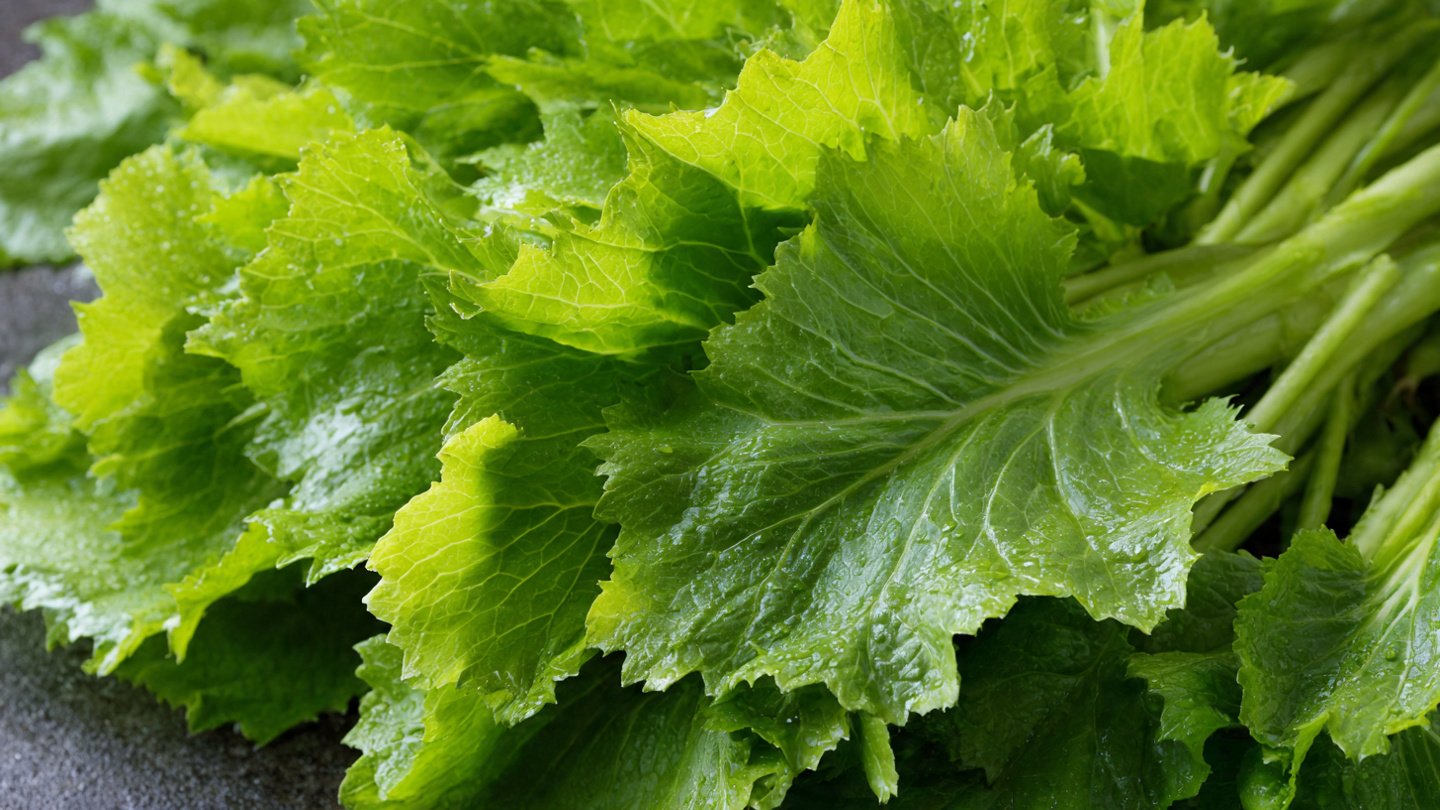
Mustard greens, with their vibrant green leaves and peppery flavor, are a staple in culinary traditions around the world. They belong to the Brassica family, which includes vegetables like broccoli, cabbage, and kale. Thanks to their hardiness, mustard greens are especially suited for cool-season gardening. In this article, we’ll explore the secret techniques for easily growing these flavorful greens, ensuring you can harvest them fresh from your garden.
Understanding Mustard Greens
Varieties of Mustard Greens
Mustard greens come in several varieties, each with unique flavors and textures. The more common types include:
- Green Wave: Known for its curled, dark green leaves and slightly spicy flavor.
- Southern Giant: Features large, tender leaves that thrive in cooler temperatures and is excellent for cooking.
- Red Mustard: Has striking red-purple leaves with a slightly milder taste, making for beautiful salads.
Nutritional Benefits
Mustard greens are packed with nutrients, including:
- Vitamins: High in vitamins A, C, and K.
- Minerals: Rich in calcium, iron, and magnesium.
- Antioxidants: Contains several antioxidants that promote health.
These greens not only add flavor to your dishes but also enhance your overall diet with their nutritional benefits.
Preparing Your Garden
Selecting the Right Location
Mustard greens prefer full sun but can tolerate partial shade, especially in warmer climates. Choose a location in your garden that receives at least 4-6 hours of sunlight daily. Additionally, ensure that the area is well-drained to prevent waterlogging during the cool, damp months.
Soil Preparation
Optimal soil conditions are paramount for growing mustard greens. Here’s how to prepare your soil:
-
Test the Soil pH: Mustard greens thrive in slightly acidic to neutral soil (pH of 6.0 to 7.0). Use a soil testing kit to determine your soil’s pH.
-
Amend the Soil: Incorporate organic matter such as compost or well-rotted manure. This improves soil structure, as well as drainage and nutrient retention. Aim for a soil depth of at least 12 inches.
-
Add Fertilizer: A balanced fertilizer with equal amounts of nitrogen, phosphorus, and potassium can be beneficial. Apply this in accordance with soil test results.
Choosing the Right Time to Plant
Mustard greens should be planted in late summer to early fall, or early spring, depending on your climate. In cooler areas, planting in early spring allows greens to mature before the heat of summer arrives. Conversely, in milder climates, sowing seeds in late summer ensures a harvest during the cooler months.
Planting Mustard Greens
Sowing Seeds
Mustard greens can be started from seeds directly sown in the garden:
-
Seed Depth: Sow seeds about ¼ to ½ inch deep.
-
Spacing: Plant seeds 1-2 inches apart, thinning them to 4-6 inches once seedlings emerge for optimal growth and airflow.
-
Row Spacing: If planting in rows, space them about 12-18 inches apart.
Transplanting Seedlings
For those starting seedlings indoors, the process involves:
-
Starting Seeds Indoors: Begin seeds indoors 4-6 weeks before the last expected frost. Use seed trays filled with seed-starting mix.
-
Transplant: Once seedlings have developed at least two true leaves and the outdoor temperature is consistently above 50°F, transplant the seedlings into the garden.
Watering Your Greens
Maintaining moisture is crucial for mustard greens, particularly during their initial growth stages:
-
Watering Schedule: Water regularly, aiming to keep the soil consistently moist. Avoid waterlogging, which can lead to root rot.
-
Mulching: Apply a layer of mulch around your plants to conserve moisture, suppress weeds, and regulate soil temperature.
Caring for Mustard Greens
Pest and Disease Management
Pests such as aphids, cabbage worms, and flea beetles can threaten your mustard greens. Here are a few techniques to manage pests:
-
Companion Planting: Interplant with herbs like dill or marigolds to deter pests naturally.
-
Floating Row Covers: Use lightweight fabric covers to protect young plants from pests.
-
Regular Monitoring: Inspect your plants frequently for signs of pests or disease and address these issues promptly.
Fertilization
After your mustard greens establish themselves, they will benefit from additional nitrogen. Use a liquid fertilizer or side-dress with compost every few weeks to encourage vigorous growth.
Harvesting Mustard Greens
Mustard greens can be harvested at various stages:
-
Baby Greens: Begin harvesting baby leaves when they are about 2-4 inches long for a milder flavor.
-
Mature Leaves: For a stronger taste, allow leaves to reach full size (6-10 inches). Cut the outer leaves first, allowing the inner ones to continue growing.
Harvesting in the morning when the leaves are hydrated will result in tastier greens. Additionally, regular harvesting can encourage the plants to produce more leaves.
Storing Mustard Greens
Freshly harvested mustard greens can be stored properly to extend their shelf life:
-
Refrigeration: Store unwashed mustard greens in a plastic bag in the vegetable crisper of the refrigerator. Aim to use them within a week.
-
Freezing: To preserve mustard greens for long-term storage, blanch them in boiling water for 2-3 minutes, cool them in ice water, and pack them in freezer bags.
Cooking with Mustard Greens
Mustard greens can be incorporated into a variety of dishes:
-
Sauté: Cook with garlic and olive oil for a simple side dish.
-
Soups and Stews: Add chopped greens to your favorite soups for added nutrition.
-
Salads: Use baby greens in salads or mix with other greens for a peppery flavor.
-
Stir-fries: Include mustard greens in stir-fries for a nutritional and flavorful boost.
Recipe Idea: Mustard Greens Salad
A simple salad can highlight the peppery flavor of mustard greens:
Ingredients:
- 3 cups chopped mustard greens
- 1 cup sliced radishes
- 1 cup cherry tomatoes, halved
- ½ cup feta cheese
- Olive oil
- Lemon juice
- Salt and pepper to taste
Instructions:
- In a large bowl, combine the mustard greens, radishes, and cherry tomatoes.
- Dress with olive oil, lemon juice, salt, and pepper.
- Top with crumbled feta cheese and serve immediately.
FAQs
1. When is the best time to plant mustard greens?
Mustard greens thrive in cool weather, making late summer to early fall or early spring ideal for sowing seeds.
2. Do mustard greens need a lot of sunlight?
They prefer full sun but can tolerate partial shade, especially in warmer climates.
3. How often should I water mustard greens?
Keep the soil consistently moist but not soggy. Water regularly, especially during dry spells.
4. What pests should I watch for?
Common pests include aphids, cabbage worms, and flea beetles. Use companion planting and row covers to deter them.
5. How long does it take to harvest mustard greens?
Seeds typically germinate within 7-10 days. Depending on the variety and conditions, you can begin harvesting in about 30-60 days.
6. Can mustard greens be frozen?
Yes, blanch them in boiling water for a few minutes, cool, and then freeze them in bags for long-term storage.
7. What is the best way to cook mustard greens?
Mustard greens can be sautéed, added to soups, or included in salads for a peppery kick in your dishes.
Conclusion
Growing mustard greens is a rewarding experience that provides not only a vibrant addition to your meals but also essential nutrients to your diet. By following these techniques—from soil preparation to harvesting—you can easily cultivate this cool-season crop and enjoy its unique flavors. Whether sautéed, in soups, or featured in salads, mustard greens can enhance a variety of dishes and keep your meals exciting throughout the season. Happy gardening!