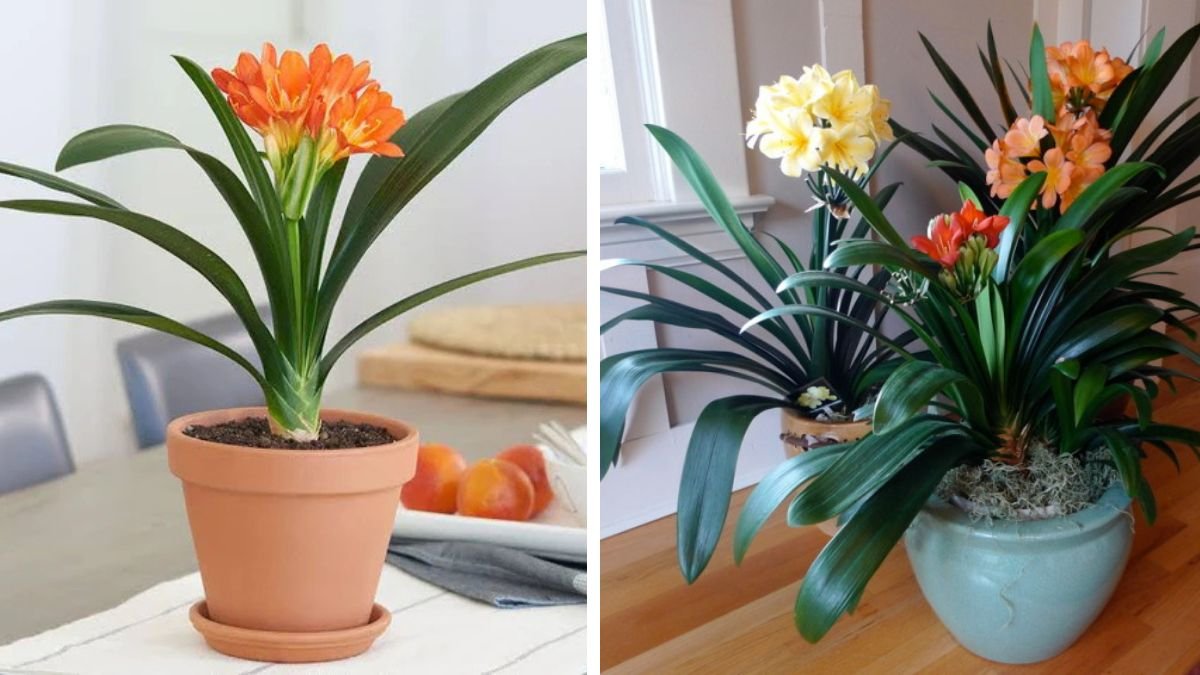
Clivia, a genus of flowering plants native to South Africa, is increasingly popular among indoor plant enthusiasts. Known for their vibrant, trumpet-shaped flowers and lush, green foliage, Clivia species are relatively easy to care for—particularly when grown in low light conditions. This article explores the best techniques for successfully cultivating Clivia indoors, focusing on their unique requirements and providing insights into the challenges and solutions associated with low light environments.
Understanding Clivia
Origin and Characteristics
Clivia plants belong to the Amaryllidaceae family. They thrive in the understory of forests, where they receive dappled sunlight rather than direct exposure. Common varieties include Clivia miniata, C. nobilis, and C. gardenii, each boasting distinct colors and leaf shapes. Clivia plants can grow up to 2 feet tall and produce clusters of striking flowers that bloom typically in late winter to early spring.
Light Requirements
While Clivia can tolerate low light, they do best in indirect sunlight. Inadequate light can lead to stunted growth and fewer flowers. However, their adaptability makes them suitable for indoor environments that may not offer ideal light conditions.
Techniques for Growing Clivia Indoor in Low Light
1. Choosing the Right Location
Assessing Light Levels: Identify the areas in your home with the least light. Use a light meter app or gauge the quality of light based on the effectiveness of reading material in that space.
Ideal Spots: North-facing windows often provide soft, indirect light ideal for Clivia. If natural light is scarce, aim for locations near east or west-facing windows that receive filtered light throughout the day.
2. Potting and Soil Conditions
Container Selection: Choose pots with drainage holes to prevent water stagnation, which can lead to root rot. Consider using shallow pots initially, as Clivia prefer being slightly pot-bound.
Soil Mix: Clivia thrive in well-draining soil. A conventional potting mix can be enhanced by adding perlite or coarse sand, promoting aeration and drainage. A mix of peat, compost, and sand (or perlite) works well.
3. Watering Techniques
Moisture Management: Clivia are susceptible to overwatering, particularly in low light, where their growth rate slows.
- Signs of Overwatering: Yellow leaves and soggy soil indicate too much water.
- Watering Schedule: Water thoroughly, but allow the top 1-2 inches of soil to dry out between watering sessions. In low light, this might mean watering every 2-3 weeks.
4. Fertilization Tips
Nutrient Needs: Clivia benefit from regular feeding during their growing season, which generally spans from spring to summer. However, in low light, their nutrient absorption may slow.
- Type of Fertilizer: Use a balanced, water-soluble fertilizer diluted to half strength, focusing on one with a higher phosphorus content to encourage flowering.
- Application Timing: Fertilize every four to six weeks during the growing season, tapering off in fall and winter.
5. Humidity and Temperature
Optimal Conditions: Clivia prefer moderate humidity and temperatures between 65°F and 75°F (18°C to 24°C). They can handle slight fluctuations but should not be exposed to drafts or extreme temperatures.
Humidity Levels: In drier indoor environments, especially during winter, consider using a humidifier or placing a tray of water near the plants to maintain adequate moisture in the air.
6. Pruning and Maintenance
Leaf Care: Regularly remove dead or yellowing leaves to promote air circulation and prevent pests. Clean the leaves occasionally to remove dust, allowing the plant to absorb more light.
Dividing Clivia: After several years, Clivia may outgrow their pots and could benefit from division. Divide them during the dormant period in late fall or early winter, repotting the divisions in fresh soil.
7. Propagation Methods
Seed Propagation: Clivia can be grown from seeds, but this method takes time and patience. Allow the seeds to germinate in a warm, humid environment. It can take several years from seed to flowering.
Offsets or Pups: Another efficient method of propagation is by separating offsets from mature plants. These “pups” can be planted in new pots after their parent plant has flowered.
8. Dealing with Pests and Diseases
Common Issues: Clivia can become susceptible to pests such as aphids, mealybugs, and spider mites, particularly in high humidity or poor air circulation conditions.
- Control Measures: Inspect plants regularly, and if pests are detected, treat them with insecticidal soap or neem oil. Remove any infested leaves and maintain air circulation around the plants.
Disease Management: Root rot is a common issue, especially in poorly draining soil. To prevent this, adhere strictly to watering guidelines and ensure proper pot drainage.
Additional Tips for Successful Clivia Care
Seasonal Adjustments
- Winter Care: Reduce watering and refrain from fertilizing during the winter. Clivia enter a dormant phase where they require minimal care.
- Spring Awakening: As daylight increases in spring, adjust your care routine by slowly increasing watering and resuming fertilization to encourage blooming.
Observing for Flowering
Although Clivia can tolerate low light, they may flower more profusely with a bit more light. Following the right care techniques will promote healthy growth and eventually blooming, often triggered by slightly cooler temperatures at night.
Use of Artificial Light
In extremely low light situations, consider supplementing with grow lights. LED grow lights can mimic natural sunlight and promote healthy growth, particularly if used for several hours a day.
FAQs
Can Clivia survive in complete darkness?
No, Clivia cannot survive in complete darkness. They thrive in low light but require some form of indirect light to carry out photosynthesis.
How often does Clivia bloom?
Under optimal conditions with adequate light and care, Clivia can bloom once a year, typically in late winter or early spring.
Is Clivia toxic to pets?
Clivia is considered mildly toxic, particularly to pets like cats and dogs. It’s advisable to keep the plants out of reach of pets to prevent any adverse reactions.
How can I encourage flowering in my Clivia?
To encourage flowering, ensure your Clivia receives adequate indirect light, proper watering, and nutrients. Cooling temperatures at night in early spring can also trigger blooming.
Can I grow Clivia outdoors?
Clivia can be grown outdoors in suitable climates where the temperatures do not drop below 50°F (10°C). They prefer partial shade, mimicking their natural habitat.
What should I do if my Clivia’s leaves are turning yellow?
Yellowing leaves can indicate overwatering or insufficient light. Adjust your watering schedule and assess the plant’s light conditions to improve its health.
Conclusion
Growing Clivia indoors in low light conditions can be a rewarding endeavor for any plant lover. By implementing the strategies outlined in this article, you can cultivate these stunning plants successfully, providing beauty and vitality to your indoor environment. Proper care—including choosing the right location, managing water and nutrients, and addressing potential pests—ensures that your Clivia will thrive, offering vibrant blooms for years to come. Whether you’re an experienced gardener or a novice, Clivia plants can thrive under your care with the right techniques.