Introduction
The world of gardening is filled with captivating plants, but few can rival the passion flower (Passiflora) when it comes to aesthetics and versatility. Known for its striking blooms and unique foliage, this ornamental vine not only serves as an eye-catching display but also offers numerous benefits to gardeners and the environment. In this article, we’ll explore the beauty of the passion flower, its growth requirements, the benefits of incorporating it into your garden, and address some frequently asked questions.
The Allure of Passion Flower
Unique Aesthetic
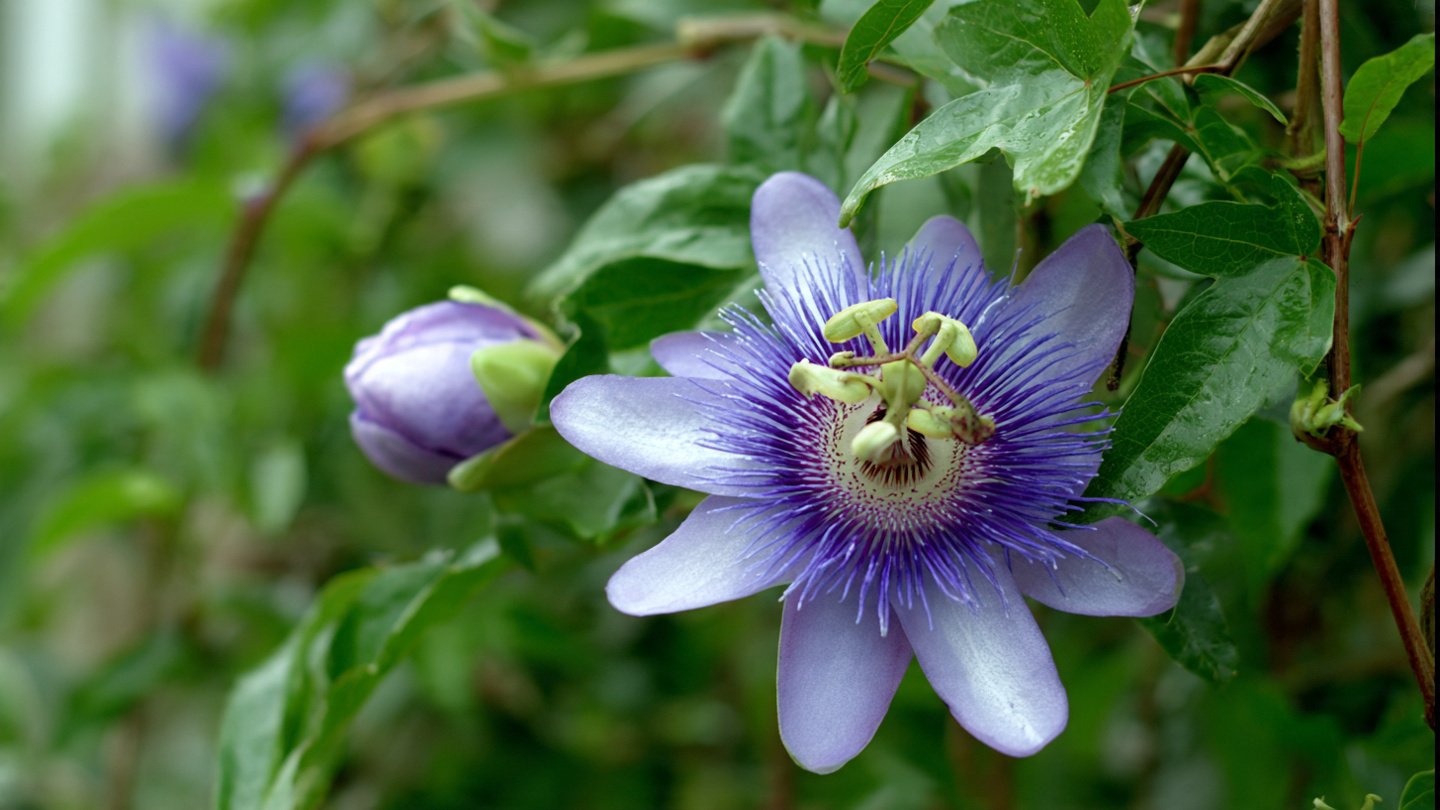
Passion flowers are a botanical marvel, often showcasing intricate, multi-layered blooms that can be as large as 6 inches in diameter. Available in a variety of colors—ranging from white and pink to deep purple and blue—these flowers feature a characteristic star-shaped design that draws the eye. The unique structure of the flowers, with their standout filaments and bracts, can create a whimsical, almost otherworldly atmosphere in your garden.
Foliage Variety
The leaves of the passion flower are equally impressive. They are typically lobed and can vary in shade from bright green to darker tones, contributing texture and depth to your garden. This hardy vine tends to be vigorous, capable of climbing fences, trellises, and even trees if given the proper support.
Growing Passion Flower
Climate and Conditions
Passion flowers thrive in USDA hardiness zones 5 to 10, making them suitable for a variety of climates. They prefer full sun but can tolerate partial shade, especially in hotter regions. Well-drained soil enriched with organic matter is ideal, as it promotes healthy root systems.
Planting Tips
- Preparation: Start by selecting a location that offers adequate sunlight and support structures like trellises or fences.
- Soil: Amend your soil with compost to enhance its nutrient content and drainage.
- Spacing: When planting multiple vines, space them at least 3 to 5 feet apart to allow for healthy growth.
- Watering: Water your plants regularly, especially during dry spells, but avoid overwatering, which can lead to root rot.
Maintenance
- Fertilization: Use a balanced fertilizer during the growing season to encourage lush growth and prolific blooms.
- Pruning: Prune your passion flower annually in late winter or early spring to keep it manageable and encourage new growth.
- Pest Control: Few pests pose a significant threat to passion flowers; however, monitoring for aphids and spider mites is advisable.
Benefits of Growing Passion Flower
Environmental Contributions
- Pollinator-Friendly: The striking blooms of passion flower attract various pollinators, including bees, butterflies, and hummingbirds. By planting passion flowers, you can help support local ecosystems and biodiversity.
- Erosion Control: Thanks to their vigorous growth, these vines can help control soil erosion on slopes or open ground.
Culinary and Medicinal Uses
Some species of passion flower, particularly Passiflora edulis, produce edible fruit known as passion fruit. This tropical fruit is rich in vitamins A and C and has become increasingly popular in culinary applications, from desserts to beverages.
Moreover, passion flower has medicinal properties. Traditionally used as a natural remedy for anxiety and insomnia, its extracts are often found in herbal supplements and teas.
Aesthetic Benefits
The ornamental value of passion flowers cannot be overstated. They add vibrant color and interesting shapes to garden spaces, enhancing visual appeal and creating focal points. Their ability to quickly cover trellises and fences makes them a perfect choice for vertical gardening.
Versatility
Passion flowers can be grown in pots, making them suitable for balconies, patio gardens, and small urban spaces. This versatility allows gardeners with limited space to still experience the beauty of this remarkable plant.
Tips for Creating a Dazzling Passion Flower Display
Companion Planting
Pairing your passion flowers with other plants can enhance the visual appeal of your garden. Consider planting species that bloom at different times of the year or have complementary colors. For example, planting alongside dark green ferns or light-colored flowers can create a striking contrast.
Seasonal Interest
To ensure year-round interest in your garden, combine passion flowers with both perennial and annual plants that flower at different times. This layered approach will keep your garden vibrant through all seasons, utilizing the passion flower’s spring and summer blooms effectively.
Architectural Elements
Incorporate architectural features like arbors, pergolas, or decorative screens in your garden. Passion flowers thrive on vertical structures, providing a living tapestry that adds dimension and architectural interest.
FAQs About Growing Passion Flower
1. What types of passion flowers are best for ornamental use?
While there are many species, Passiflora caerulea (Blue Passion Flower) and Passiflora edulis (Purple Passion Fruit) are among the most popular for ornamental gardens. They are known for their beautiful flowers and fast growth.
2. How do I propagate passion flower vines?
Passion flowers can be propagated through seeds or cuttings. For cuttings, take a healthy shoot, remove the lower leaves, and place it in water or a well-draining soil mix until roots develop. Seed propagation can take longer, as they require a period of stratification before germination.
3. How often should I water my passion flowers?
Keep the soil consistently moist but not soggy. During the hot summer months, you may need to water more frequently. Ensure good drainage to avoid root rot.
4. Are passion flowers invasive?
Some species, particularly certain native varieties, can be aggressive in their growth and may require regular management to prevent them from overtaking other plants. Always check local guidelines on potential invasiveness.
5. What pests should I look out for?
Common pests include aphids and spider mites. Regularly inspect your plants and treat infestations promptly with insecticidal soap or neem oil.
6. Can I grow passion flowers indoors?
While passion flowers thrive outdoors, they can also be grown indoors if provided ample sunlight. Ensure they have a sturdy support structure to climb.
7. Do passion flowers require a lot of fertilizer?
Passion flowers benefit from regular fertilization during the growing season. A balanced, all-purpose fertilizer can promote vigorous growth and abundant blooms.
Conclusion
Growing passion flower as an ornamental vine in your garden can enhance not only the visual appeal of your space but also contribute positively to your local ecosystem and provide cultural benefits. Its unique beauty, ease of growth, and many environmental contributions make it a must-have for both novice and seasoned gardeners alike. With the right care and planning, your garden can become a lush, vibrant paradise that attracts pollinators while stimulating the senses. Embrace the passion flower, and let it inspire a gardening experience filled with color and life.