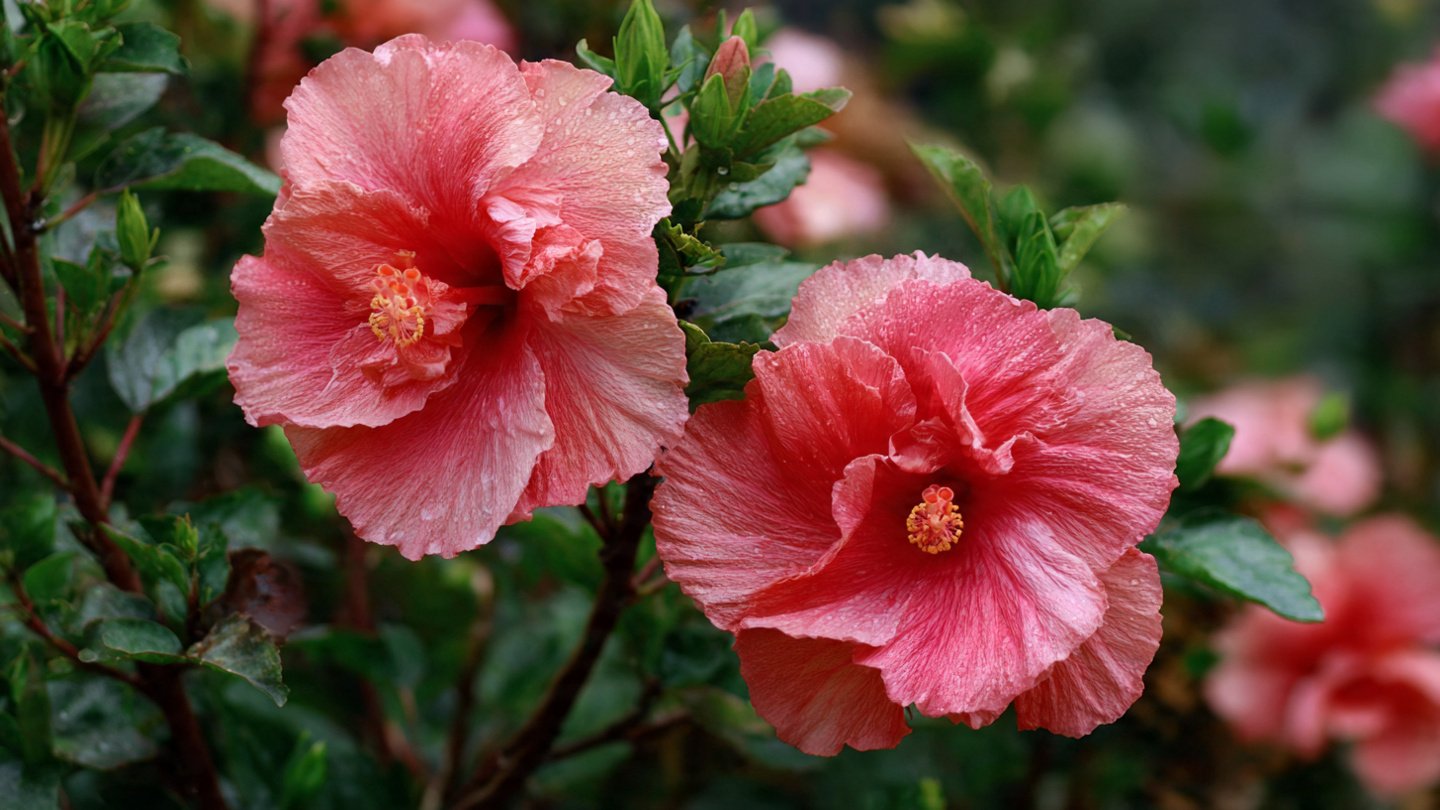
Hibiscus, with its stunning blossoms and vibrant colors, can be a stunning addition to any landscape. Among its many varieties, the double hibiscus stands out for its lush, layered petals and large blooms that can bring life to gardens, patios, and yards. This article will explore how to successfully cultivate double hibiscus, from selecting the right variety to providing optimal care and maintenance, ensuring you enjoy a vibrant landscape all year round.
Understanding the Double Hibiscus
What Is Double Hibiscus?
Double hibiscus (Hibiscus rosa-sinensis) is characterized by its double-layered flowers, which can look almost like miniature roses. These flowers come in a variety of colors, including red, pink, yellow, orange, and white, often blending hues for a breathtaking display. The lush blooms can reach up to six inches across and will attract butterflies and hummingbirds, enhancing the visual beauty of your garden.
Varieties of Double Hibiscus
While there are many types of double hibiscus, they generally fall into two categories:
-
Tropical Double Hibiscus: Often grown in warmer climates, these plants thrive in USDA hardiness zones 9-11. They require ample sunlight and warmth to produce their brilliant blooms.
-
Hardy Double Hibiscus: Better suited for cooler climates, these varieties can tolerate frost and are generally found in USDA hardiness zones 4-9. They may bloom later in the summer compared to their tropical counterparts.
Each type has its unique charm and requirements, but both can create dazzling displays in gardens.
Choosing the Right Location
Sunlight Requirements
Double hibiscus thrives best in full sun, requiring at least 6 to 8 hours of direct sunlight daily. Choose a location where the plant can bask in the sun, ensuring it blooms profusely throughout the growing season.
Soil Preparation
Hibiscus prefers well-draining, rich soil. Here are some tips:
- pH Level: Aim for a pH level between 6.0 and 7.0.
- Soil Amendment: Incorporate organic matter like compost to enrich the soil and improve drainage.
- Drainage: If your soil tends to retain water, consider building raised beds or amending the soil further to promote drainage.
Planting Double Hibiscus
When to Plant
The best time to plant double hibiscus is in the spring after the last frost. This timing allows the plant to establish roots and acclimate to the environment as temperatures warm.
How to Plant
-
Digging the Hole: Use a spade to dig a hole that is twice as wide and as deep as the root ball of your hibiscus.
-
Positioning the Plant: Place the hibiscus in the center of the hole, ensuring the top of the root ball is level with the soil surface.
-
Backfilling: Fill in the hole with the enriched soil and lightly tamp it down to remove air pockets.
-
Watering: Water thoroughly to ensure the roots settle well.
Watering and Fertilizing
Watering Guidelines
Double hibiscus requires consistent moisture, particularly during the blooming season. Here are some watering tips:
- Frequency: Water the plant deeply once a week. In extreme heat, you may need to water more frequently.
- Signs of Underwatering: Yellowing leaves can indicate that the plant isn’t getting enough water.
Fertilization Schedule
To encourage robust growth and vibrant blooms, fertilize your double hibiscus:
- Type of Fertilizer: Use a balanced fertilizer (10-10-10 or 20-20-20) every 4-6 weeks during the growing season.
- Application: Follow the manufacturer’s instructions for application frequency and rates.
Pruning and Maintenance
Pruning Techniques
Pruning is essential for maintaining the shape and health of your double hibiscus:
- Timing: Prune in late winter or early spring before new growth begins.
- How to Prune: Remove any dead or crossing branches to improve air circulation and shape the plant.
Pests and Diseases
Double hibiscus is generally hardy but can be susceptible to pests and diseases:
- Common Pests: Watch for aphids, spider mites, and whiteflies. Use insecticidal soap or neem oil for treatment.
- Diseases: Fungal infections, such as root rot, can occur if the soil is too damp. Ensure proper drainage and avoid overwatering.
Overwintering Double Hibiscus
For tropical varieties in cooler climates, protecting your double hibiscus during winter is vital:
- Indoors: Bring potted plants indoors before the first frost. Place them in a sunny location.
- Outdoors: For hardy varieties, apply a layer of mulch around the base to insulate roots.
Propagating Double Hibiscus
Methods of Propagation
Double hibiscus can be propagated through seeds, cuttings, or layering. Here’s a breakdown:
-
Seeds: Soak seeds in water for 24 hours and plant them in seed-starting mix. They typically require warmth to germinate.
-
Cuttings: Take 4-6 inch stem cuttings in spring or summer. Dip the cut end in rooting hormone and plant in moist potting soil.
-
Layering: Bend a lower branch to the ground and cover it with soil, securing it in place. It will root over time.
Extending the Bloom Season
To enjoy your double hibiscus blooms as long as possible:
- Deadheading: Remove spent flowers to encourage more blooms.
- Consistent Care: Maintain regular watering and fertilization throughout the growing season.
Conclusion
With their striking blooms and vibrant colors, double hibiscus can be a true centerpiece in any garden. By selecting the right variety, providing optimal care, and maintaining good practices, you can enjoy these stunning plants all year round. Embrace the beauty of double hibiscus and transform your landscape into a colorful paradise.
FAQs
1. How often should I water my double hibiscus?
You should water your double hibiscus deeply once a week. In extreme heat, you may need to increase the frequency.
2. Can double hibiscus survive winter?
Tropical double hibiscus cannot survive frost and should be brought indoors in cooler climates. Hardy varieties can tolerate winter conditions.
3. What is the best fertilizer for double hibiscus?
A balanced fertilizer (10-10-10 or 20-20-20) is ideal for double hibiscus. Fertilize every 4-6 weeks during the growing season.
4. Why are the leaves turning yellow?
Yellowing leaves can indicate underwatering or overwatering. Check the soil moisture and adjust your watering schedule accordingly.
5. What pests should I watch for?
Common pests include aphids, spider mites, and whiteflies. Use insecticidal soap or neem oil to combat infestations.
6. When should I prune my double hibiscus?
Prune in late winter or early spring before new growth begins to maintain shape and remove dead branches.
7. How can I propagate double hibiscus?
You can propagate double hibiscus through seeds, cuttings, or layering.
By following these guidelines and caring for your double hibiscus, you will ensure a vibrant, colorful landscape that flourishes year-round. Embrace these fantastic plants and enjoy their beauty in your garden!