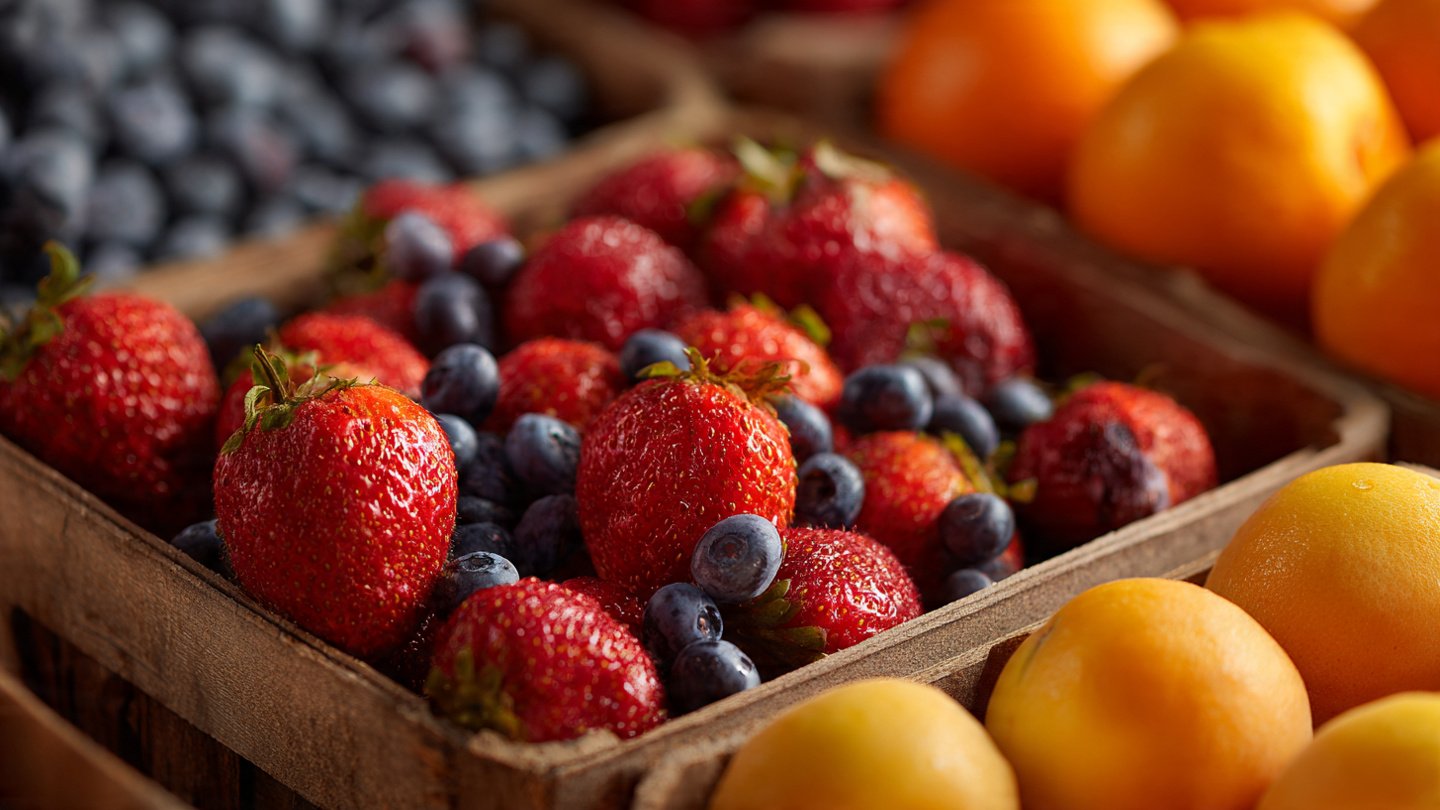
Fruits are not only delicious but also packed with essential nutrients that contribute to overall health. However, the joy of biting into a perfectly ripe apple or enjoying a succulent peach can quickly diminish if the fruit is marred by unsightly bruises. Improper fruit storage is a common but often overlooked contributor to this problem. Understanding how and why bruising occurs can significantly enhance our fruit storage practices, ensuring that our produce remains fresh, flavorful, and appealing.
The Biology of Bruising: An Overview
Bruising in fruits occurs due to physical damage to the cells, which leads to the release of cellular contents and the breakdown of structural integrity. When fruits are subjected to pressure, impact, or excessive handling, the delicate tissues can rupture, causing discoloration and spoilage. The degree of bruising can vary based on fruit type, ripeness, and environmental conditions.
For example, bananas, with their softer flesh, are more susceptible to bruising than firmer apples. When bruised, fruits not only lose their aesthetic appeal but also their nutritional value and taste. Enzymatic reactions take place, leading to a decline in quality. Thus, preventing bruising is essential for maintaining both the visual and nutritional aspects of fruit.
How Improper Storage Practices Contribute to Bruising
1. Temperature Fluctuations
One of the critical factors in fruit storage is temperature. Most fruits should be stored at specific temperatures to maintain their freshness. When fruits are exposed to extreme temperature fluctuations, the cellular structure can be compromised.
For instance, storing apples at room temperature for an extended period can lead to overripening and increased susceptibility to bruising. Furthermore, storing fruits in the refrigerator when they should be kept at room temperature—like certain tropical fruits—can create stress in the cell structure, leading to bruising when they are eventually brought back to room temperature.
2. Pressure and Weight
Fruits are often piled one on top of another in shopping bags or storage containers. This stacking can apply excessive pressure on the fruits at the bottom. For instance, a few heavy oranges on top of a layer of bananas may crush them, creating bruises. Even the weight of the fruit itself can lead to bruising if they are tightly packed together, as the pressure exerted can rupture delicate cells.
3. Improper Handling
Handling fruits roughly can also contribute to bruising. Fruits that are tossed around or dropped can easily sustain internal damage, even if there are no visible external signs. It’s essential to handle fruits gently, especially softer varieties like peaches and cherries, which are particularly prone to bruising.
4. Incompatible Neighboring Fruits
Certain fruits produce ethylene gas, which can accelerate ripening in nearby fruits. While this can be advantageous in some scenarios, it can also lead to uneven ripening and increased susceptibility to bruising. For example, placing ethylene-producing fruits like apples or bananas next to sensitive berries can cause the berries to ripen too quickly, making them more vulnerable to bruising.
Best Practices for Fruit Storage to Prevent Bruising
To combat the problem of bruising, it’s vital to adopt effective storage practices. Here are some best practices to help keep fruits fresh and free from bruises:
1. Know Your Fruits
Different fruits have varying storage requirements. Familiarizing yourself with the optimal conditions for each fruit can help you create a better storage plan. For example:
- Apples: Best stored in a cool, dark place or in the fridge to slow down ripening.
- Bananas: Should be kept at room temperature and away from other fruits to prevent premature ripening.
- Berries: Need to be stored in the refrigerator and should be kept in a single layer to avoid squishing.
2. Avoid Overpacking
When storing fruits, avoid overpacking containers. Leaving enough space between fruits prevents excessive pressure and reduces the risk of bruising. If using a bag, consider placing a clean paper towel at the bottom and on top of the fruits to absorb moisture and cushion them.
3. Use Proper Containers
Use breathable containers that allow for air circulation, rather than sealing fruits in plastic bags or containers that trap moisture. This can lead to condensation and spoilage, increasing the risk of bruising. Fruit baskets, perforated containers, or cloth bags can be good alternatives.
4. Handle with Care
Always handle fruits gently, particularly delicate varieties. When transporting them, consider using padded bags or containers to provide extra protection. In grocery stores, opt for self-service options when possible, as this allows you to pick fruits with minimal handling.
5. Keep Ethylene Producers Separate
To prolong the freshness of perishable fruits, store ethylene-producing fruits separately from ethylene-sensitive ones. This practice not only delays the ripening of sensitive fruits but also minimizes the chances of bruising.
6. Monitor Humidity Levels
Humidity plays a vital role in fruit storage. Some fruits benefit from a higher humidity environment, while others prefer dryer conditions. For instance, apples thrive in a humid environment but can bruise and rot in excessively wet conditions. Using a humidity-controlled crisper drawer in your refrigerator can be beneficial.
7. Rotate Stock
If you’re buying fruits in bulk, practice the ‘first in, first out’ rule. Use older fruits before newer ones to prevent overripening and potential bruising.
The Impact of Bruising on Nutrition and Waste
Bruising can lead to more than just unsightly appearances. It can also impact fruit nutrition and contribute to increased food waste. Bruised areas can become sites for microbial growth, leading to further spoilage. Recognizing the importance of proper storage not only enhances your culinary experience but also helps reduce waste.
Nutritional Impact
As bruised areas decay, nutrients can degrade. Antioxidants and vitamins may diminish, diminishing the health benefits that fruits provide. This deterioration can be so significant that a visibly bruised fruit may be less nutritious than an unblemished one.
Waste Reduction
Improper storage often results in throwing away more food than necessary. When fruits spoil or become too bruised to consume, they are often discarded. By implementing better storage techniques, consumers can significantly reduce food waste and save money.
Conclusion
The way we store fruits directly affects their quality, taste, and nutritional value. By understanding the biology of bruising and adopting improved storage practices, we can enhance our enjoyment of fruits while minimizing waste. Simple changes, from knowing the right temperature and handling with care to keeping ethylene-producing fruits separate, can make a world of difference.
As we move forward in our journey of healthy eating, let us pay closer attention to how we store our fruits, ensuring that they remain fresh and delightful. Remember, a little effort in proper storage can lead to a more fruitful and enjoyable experience when it comes to consuming nature’s sweet gifts.