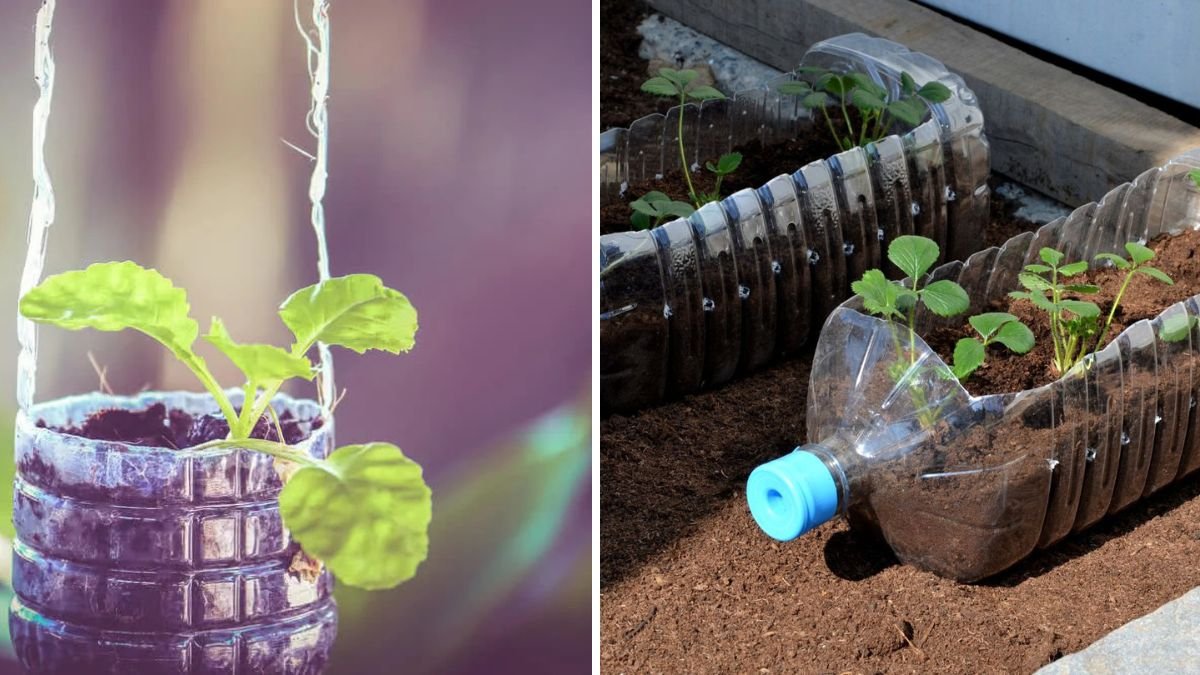
Indoor plants bring life, color, and freshness to our living spaces. They improve air quality, reduce stress, and create a calming, vibrant environment. However, not everyone has access to large pots, garden space, or expensive planters. A sustainable, budget-friendly solution is growing indoor plants using plastic bottle cuttings. This method not only repurposes plastic waste but also allows anyone to enjoy the beauty of greenery at home.
This guide will explore step-by-step methods, tips, and creative ideas for growing indoor plants using plastic bottles, making gardening accessible, fun, and eco-friendly.
Why Grow Indoor Plants Using Plastic Bottles?
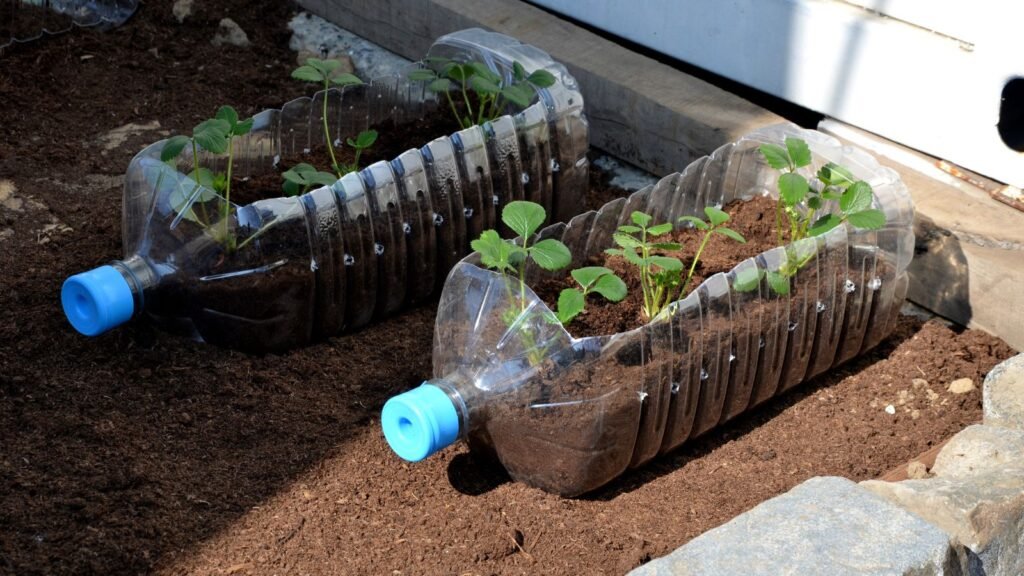
- Eco-Friendly: Repurposing plastic bottles helps reduce plastic waste and promotes sustainability.
- Cost-Effective: Bottles are free or inexpensive, making this method ideal for budget-conscious gardeners.
- Space-Saving: Perfect for apartments, balconies, or small living areas where traditional pots may not fit.
- Creative and Fun: Cutting and decorating bottles adds a DIY element, making gardening enjoyable.
- Easy Plant Propagation: Ideal for small indoor plants, herbs, and succulents.
Choosing the Right Plastic Bottle
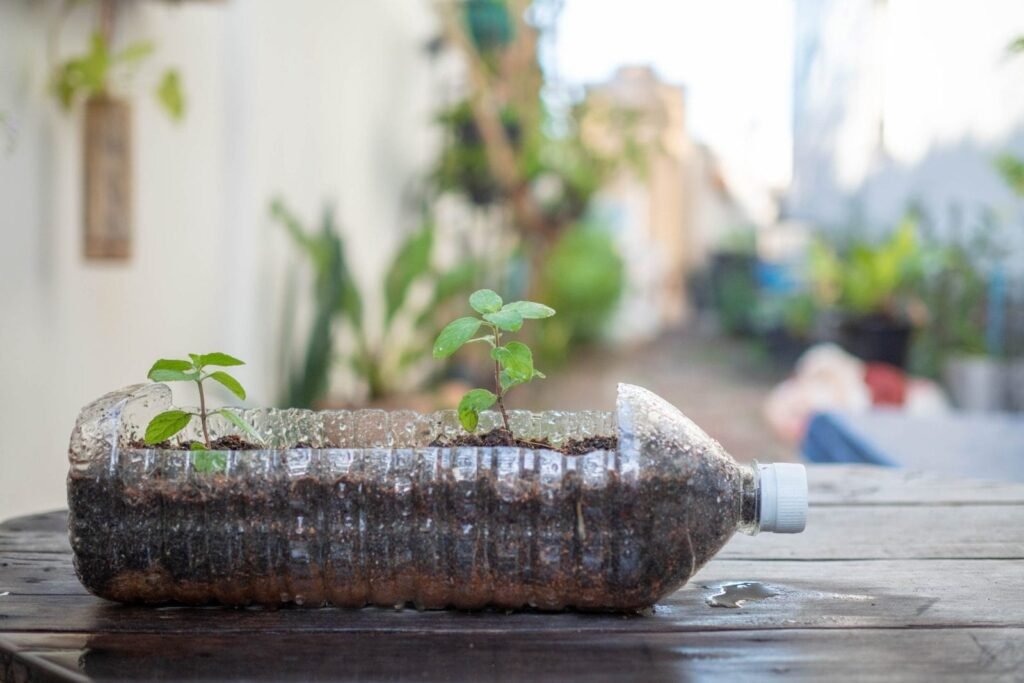
- Size: Use 500 ml bottles for small plants, and 1–2 liter bottles for larger indoor plants.
- Material: Transparent bottles allow you to see the soil moisture and root development.
- Shape: Bottles with wide mouths make planting and watering easier.
Common plants suitable for plastic bottle propagation include:
- Herbs: Mint, basil, coriander, and parsley.
- Indoor Foliage Plants: Money plant, pothos, spider plant, and philodendron.
- Succulents and Cacti: Require minimal soil and watering, ideal for small bottles.
- Flowering Plants: Marigold, geranium, and hibiscus cuttings can thrive in bottle planters.
Step-by-Step Guide to Creating Indoor Plant Bottles
1. Preparing the Bottle
- Clean the plastic bottle thoroughly with water and mild soap to remove any residue.
- Remove the label if you prefer a clean look.
- Decide whether to use the bottle upright or horizontally.
- Cut the bottle carefully:
- Horizontal Cut: Creates an open planter for easy planting and watering.
- Vertical Cut: Ideal for hanging planters or wall-mounted gardens.
2. Creating Drainage
- Drill or poke small holes at the bottom of the bottle for drainage.
- Excess water should drain to prevent root rot.
- For indoor use, place a small tray or saucer beneath the bottle to catch water.
3. Adding Soil and Fertilizer
- Use well-draining soil suitable for your plant type.
- For herbs and leafy plants, mix compost with garden soil.
- For succulents, use a cactus or sandy soil mix.
- Add a small layer of gravel or pebbles at the bottom to improve drainage.
4. Planting the Cuttings
- Take healthy plant cuttings 4–6 inches long, removing lower leaves.
- Insert cuttings gently into the soil, covering the roots.
- Water lightly to settle the soil.
- Place the bottle planter in a spot with suitable light for the plant.
5. Watering and Care
- Water according to plant requirements:
- Herbs: Keep soil moist but not soggy.
- Succulents: Allow soil to dry between watering.
- Foliage plants: Moderate watering is sufficient.
- Mist plants occasionally to increase humidity, especially for tropical indoor plants.
- Rotate the bottle to ensure even sunlight exposure.
Creative Indoor Gardening Ideas Using Plastic Bottles
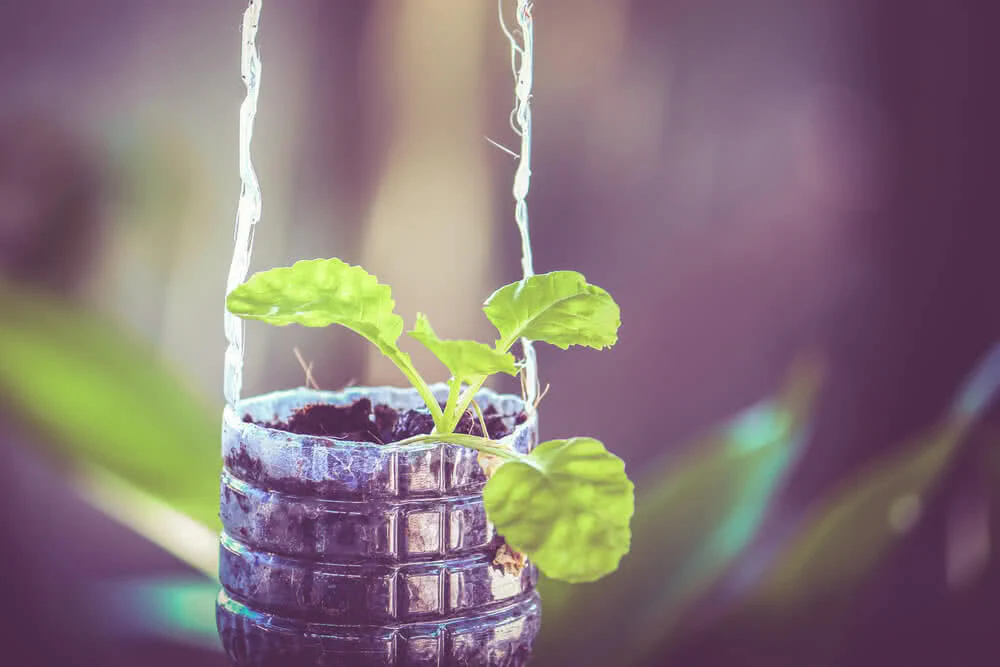
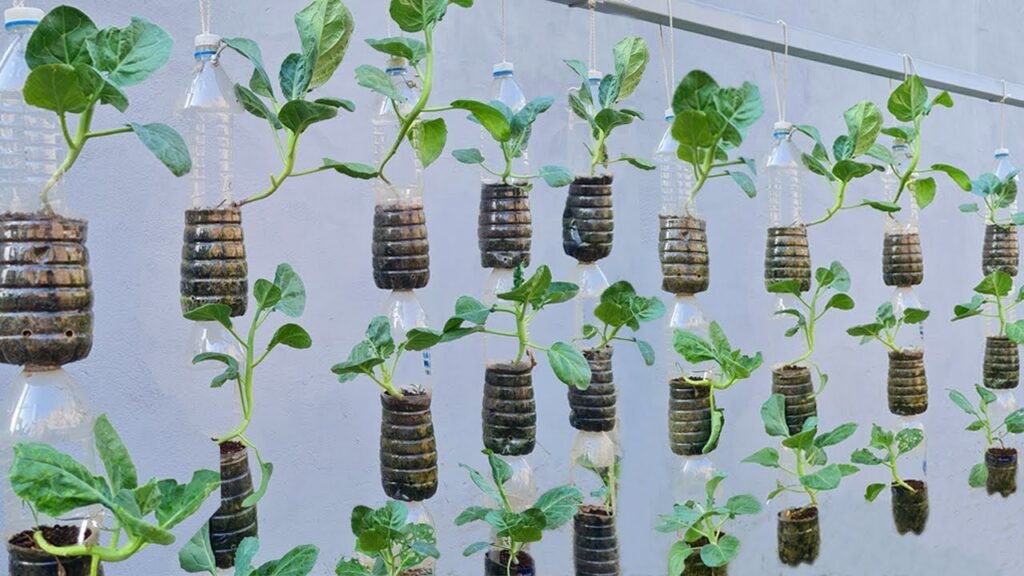
- Vertical Bottle Gardens
- Hang bottles vertically using strings or a wooden frame.
- Perfect for small spaces, balconies, or walls.
- Grow herbs, pothos, or small flowering plants for a cascading green effect.
- Desk and Shelf Planters
- Use small cut bottles as mini planters on desks or shelves.
- Decorate bottles with paint, twine, or stickers for aesthetic appeal.
- Hanging Bottle Gardens
- Hang bottles upside down using hooks or ropes.
- Plant trailing vines like money plant or philodendron for a stunning effect.
- Self-Watering Bottles
- Use the top of a bottle inverted into the bottom section filled with water.
- The plant absorbs water gradually, reducing the frequency of watering.
- Wall-Mounted Bottle Gardens
- Attach cut bottles horizontally on walls using nails or brackets.
- Ideal for creating a living wall with herbs, succulents, or flowering plants.
Benefits of Using Plastic Bottles for Indoor Plants
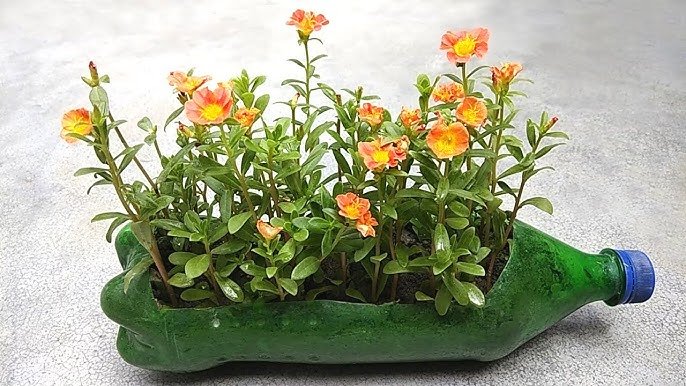
- Sustainable: Reduces plastic waste while promoting greenery.
- Cost-Effective: Reuses materials and saves money on expensive pots.
- Customizable: Cut and decorate bottles to match your home decor.
- Portable: Lightweight and easy to move indoors or outdoors.
- Educational: Encourages children and beginners to learn about gardening and sustainability.
Tips for Healthy Indoor Plants in Bottles
- Light: Place bottles near windows with adequate sunlight or use artificial grow lights.
- Air Circulation: Ensure proper air movement to prevent fungal growth.
- Pruning: Trim plants regularly to encourage bushier growth.
- Fertilization: Use organic liquid fertilizers or compost tea to provide nutrients.
- Monitoring Pests: Check regularly for aphids, mealybugs, or fungus and treat naturally with neem oil.
Popular Plants to Grow in Plastic Bottles Indoors
- Mint: Quick-growing, aromatic, and easy to care for.
- Pothos (Devil’s Ivy): Hardy vine that thrives in low light and minimal care.
- Spider Plant: Air-purifying and visually appealing, perfect for desk or shelf planters.
- Money Plant (Pachira aquatica): Symbol of prosperity; grows well in water or soil-filled bottles.
- Succulents: Aloe vera, echeveria, and jade plants grow well with minimal watering.
Eco-Friendly and Aesthetic Advantages
- Decorative Appeal: Painted or decorated bottles can complement home interiors.
- Space Efficiency: Ideal for apartments, small kitchens, and limited indoor spaces.
- Sustainability: Reusing plastic reduces environmental impact.
- Educational Value: Demonstrates the concept of recycling and sustainable living to children and visitors.
Conclusion
Growing indoor plants using plastic bottle cuttings is a creative, eco-friendly, and budget-friendly way to bring greenery into your home. This method allows for space-saving, cost-effective gardening, while also giving new life to discarded plastic bottles.
With proper plant selection, soil preparation, watering, and light management, even beginners can cultivate thriving indoor plants. From vertical gardens and hanging bottles to desk planters and wall-mounted displays, the possibilities are endless.
By embracing plastic bottle gardening, you not only cultivate beautiful indoor greenery but also contribute to environmental sustainability. Start repurposing plastic bottles today, and enjoy the dual benefits of indoor plants: a vibrant, fresh home and a greener planet.