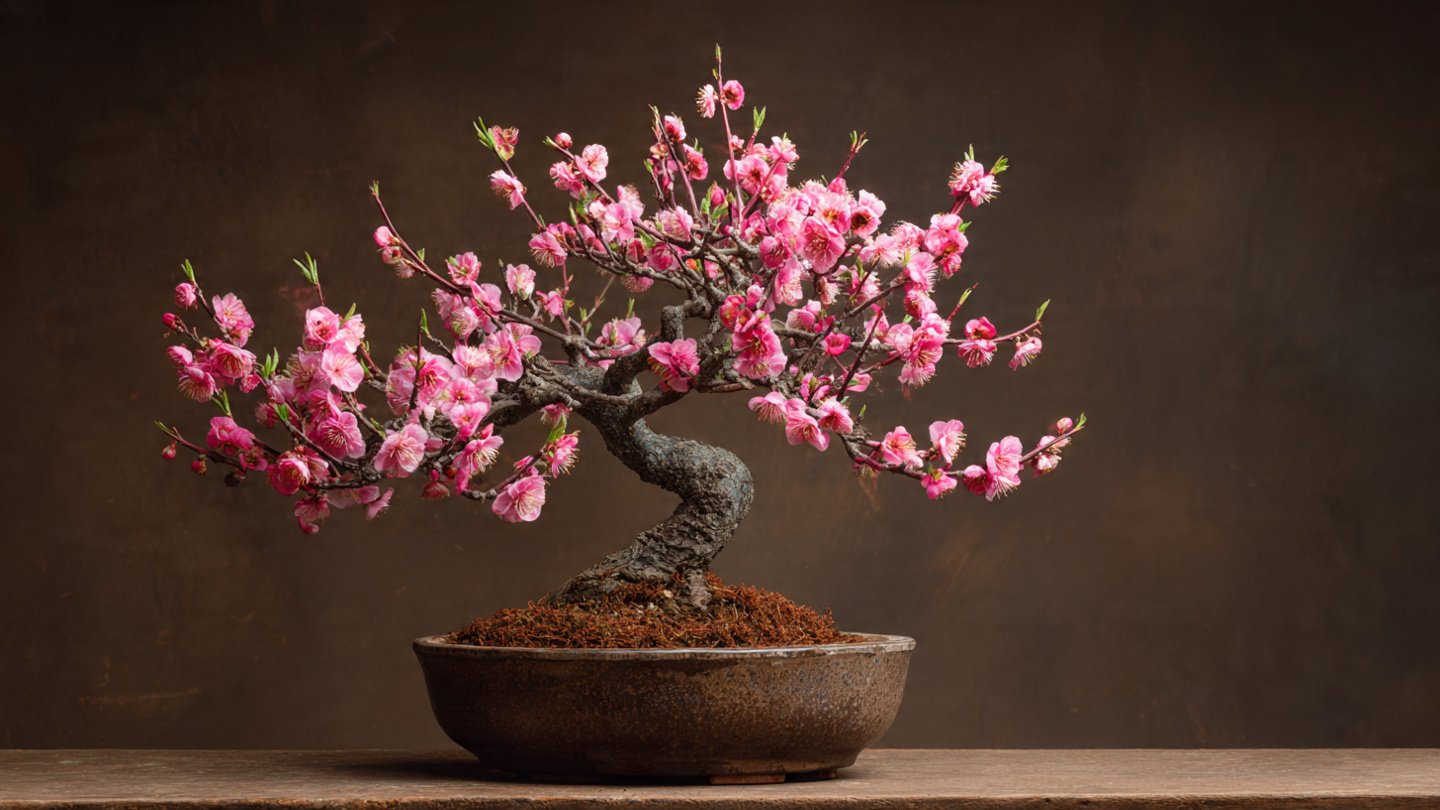
Bonsai, the art of cultivating miniature trees, has its roots in ancient Japan and China. Among the various species used for bonsai, the plum tree stands out due to its beautiful blossoms, rich history, and relatively forgiving nature for beginners. This comprehensive guide will delve into the essentials of cultivating and caring for plum bonsai trees, providing insights into their culture, pruning, watering, fertilization, and potting. We will also cover common issues and answer frequently asked questions at the end.
Understanding Plum Bonsai Trees
History and Significance
The plum tree holds a significant place in both Chinese and Japanese cultures. In China, it symbolizes perseverance and hope, often associated with the winter months due to its ability to bloom amidst cold weather. In Japan, it signifies courage and resilience. As a bonsai, the plum tree captures this cultural essence while serving as a stunning decorative piece.
Choosing the Right Variety
For bonsai cultivation, two primary species of plum trees are commonly used: Prunus mume (Japanese apricot) and Prunus domestica (European plum). The former is favored for its fragrant flowers and aesthetic appeal, while the latter is known for its hardiness and fruit production.
Essential Conditions for Plum Bonsai
Light Requirements
Plum bonsai trees require plenty of sunlight. Ideally, they should receive at least 6 hours of direct sunlight daily. A south-facing window or outdoor location with partial shade is often ideal. Insufficient light can lead to weak growth and poor fruiting.
Temperature and Humidity
Plum bonsai trees thrive in moderate climates. They can withstand frost but should be protected from extreme cold. Ideal indoor temperatures range from 60°F to 75°F (15°C to 24°C). Humidity levels should be maintained between 40% and 60%. Misting the leaves and using humidity trays can help achieve optimal humidity.
Soil Requirements
A well-draining soil mix is vital for plum bonsai. A blend of akadama, pumice, and lava rock is commonly recommended, with a ratio adjusted according to the growth stage. Well-draining soil prevents root rot, allowing the tree to thrive while ensuring it retains necessary moisture.
Planting Your Plum Bonsai
Choosing the Right Pot
Selecting an appropriate pot is crucial. Bonsai pots should have good drainage holes and provide enough depth for root development. Shallow pots are beneficial for aesthetic purposes, but deeper pots are necessary for younger trees to support their growth.
Wiring Techniques
Wiring is an essential technique in bonsai cultivation that helps shape the tree. It involves wrapping wire around the branches and trunk to encourage them to grow in a desired direction. For plum bonsai, use aluminum or copper wire, being careful not to damage the bark. It’s typically done in late spring or early summer when the branches are more pliable.
Pruning and Shaping
Trimming Leaves and Branches
Regular pruning is essential for maintaining the shape and health of plum bonsai trees. Trim the leaves in late spring or early summer to encourage new growth. Focus on cutting back to nodes to facilitate bushiness and compact growth.
Structural Pruning
Structural pruning involves removing larger branches to refine the tree’s form. This should be done during the tree’s dormant season, typically in late fall or winter. Remove any diseased or crossed branches, and maintain the central structure to promote good airflow and light penetration.
Watering Your Plum Bonsai
Watering Techniques
Humans often underestimate the importance of proper watering. Plum bonsai trees require consistent moisture without becoming waterlogged. The top inch of the soil should be dry before the next watering. Check daily, especially during hot seasons, and adjust based on environmental conditions.
Recognizing Water Stress
Signs of over-watering include yellowing leaves and root rot, while under-watering leads to wilting and leaf drop. Understanding these signs is crucial to the tree’s overall health.
Fertilization
Nutritional Needs
Plum bonsai trees require regular fertilization to receive essential nutrients for growth. Use a balanced fertilizer, with equal parts nitrogen, phosphorus, and potassium, during the growing season (spring to early fall). Reduce fertilization during the dormant period.
Fertilization Schedule
A monthly fertilization schedule during the growing season is generally sufficient. However, always read the manufacturer’s instructions and adjust according to the specific needs of your tree.
Pest and Disease Management
Common Pests
Plum bonsai trees can be afflicted by pests such as aphids, spider mites, and scale insects. Monitoring for these pests is crucial. If detected, treat with insecticidal soap or neem oil. Regularly checking the undersides of leaves can help catch infestations early.
Diseases
Common diseases affecting plum bonsai include leaf spot and root rot. Leaf spot can usually be managed with proper pruning and airflow, while root rot requires prompt action, including repotting and reducing moisture levels.
Repotting Your Plum Bonsai
When to Repot
Most plum bonsai trees should be repotted every two to three years, ideally during early spring. This ensures the roots do not become pot-bound and allows for fresh soil, promoting healthy growth.
Repotting Process
- Prepare New Pot and Soil: Choose a larger pot and prepare new soil.
- Remove from Current Pot: Gently remove the tree, taking care not to damage roots.
- Prune Roots: Trim any dead or excessively long roots. This encourages healthier root growth.
- Replant: Position your tree in the new pot, fill it with fresh soil, and water thoroughly.
Seasonal Care
Summer Care
During summer, ensure the plum bonsai receives adequate water and protection from direct harsh sunlight. Misting may also help combat overheating and maintain humidity.
Winter Care
In winter, consider moving indoor trees closer to sunlight or providing grow lights if natural light is insufficient. Reduce watering and fertilization during this dormant period.
Aesthetics and Display
Styling Your Plum Bonsai
Styling your plum bonsai is part of the joy in cultivating these beautiful trees. Techniques like carving, choosing a suitable pot, and arranging stones can enhance the display. Consider the natural growth patterns of plum trees as you design their shape and style.
Seasonal Displays
Plum bonsai trees are particularly stunning during the flowering period in late winter or early spring. This is an excellent time to display your tree in your home or garden, showcasing its beauty and cultural significance.
Frequently Asked Questions
1. How long does it take for a plum bonsai to blossom?
Plum bonsai trees usually take 2 to 3 years after propagation to flower, depending on the conditions and care provided.
2. Can I keep my plum bonsai indoors year-round?
While plum bonsai can survive indoors, they thrive best outdoors where they can get ample sunlight and fresh air. If kept indoors, ensure they receive plenty of light.
3. How big will my plum bonsai grow?
The size of a plum bonsai tree will vary based on care and species. Generally, they maintain a height of around 10 to 24 inches when properly cultivated as bonsai.
4. When should I prune my plum bonsai?
Pruning is best done in late spring or early summer for leaf and branch trimming, while structural pruning should occur in the dormant season.
5. What common diseases should I watch out for?
Watch for diseases like leaf spots and root rot. Maintaining good hygiene and airflow around the tree can help prevent these issues.
6. Can I graft a plum tree onto another species for bonsai?
Yes, grafting can be an effective method to create unique bonsai designs, but it requires experience and skill to ensure compatibility between the species.
Conclusion
Cultivating and caring for plum bonsai trees is a rewarding endeavor that connects you with nature and allows for creative expression. By understanding their basic needs and employing best practices, you can enjoy the beauty and serenity these miniature trees bring into your life. Whether you are a beginner or an experienced grower, the art of bonsai is a journey of patience and discovery, one that reflects the beauty of nature in its smallest form.