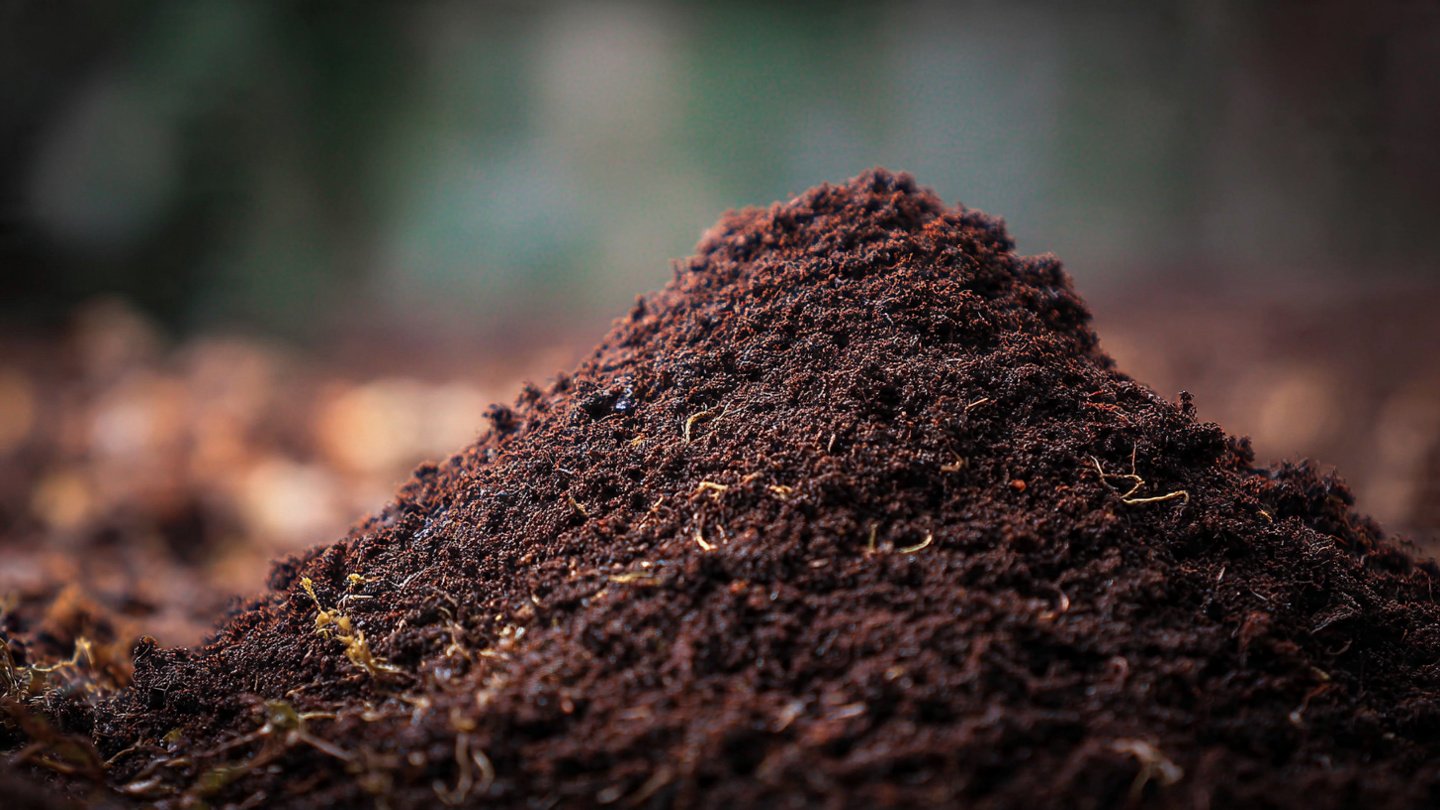
Composting is an essential practice for managing organic waste and improving soil health. By facilitating aerobic decomposition, composting transforms organic materials into nutrient-rich humus. The microbial community plays a pivotal role in this process, breaking down complex organic compounds into simpler forms that plants can utilize. However, various environmental factors, particularly moisture content, significantly influence microbial activity and the overall effectiveness of composting. This article delves into how dryness affects microbial activity and nutrient breakdown in composting systems.
Understanding the Composting Process
The Role of Microorganisms
Microbial communities, including bacteria, fungi, and protozoa, are crucial to the composting process. They drive the decomposition of organic matter, breaking it down into simpler molecules through enzymatic actions. As microorganisms metabolize these materials, they release nutrients, making them available to plants. The composting process generally occurs in three phases:
-
Mesophilic Phase: Starts with the breakdown of easily degradable materials. Mesophilic microorganisms thrive in moderate temperatures (20-40°C) during this phase.
-
Thermophilic Phase: As microbial activity increases, temperatures rise to 50-70°C. Thermophilic microbes dominate this stage, effectively breaking down pathogens and weed seeds.
-
Cooling and Maturation Phase: As the temperature cools, the process slows down, and microbial diversity increases, leading to the stabilization of the compost.
Importance of Moisture
Moisture levels are a critical factor in composting, as they directly influence microbial metabolism, enzyme activity, and the overall decomposition process. Water acts as a solvent, facilitating nutrient transport and microbial interactions. Ideally, composting materials should have a moisture content of about 40-60%. When the moisture level deviates from this range, particularly when it becomes too dry, several detrimental effects occur.
Effects of Dryness on Microbial Activity
Decreased Microbial Diversity
Dry conditions can lead to reduced microbial diversity in compost. Many microorganisms are sensitive to moisture levels and may die off or become inactive under dry conditions. This decline in microbial diversity can significantly hinder the decomposition process. Different microbes have distinct roles in breaking down various organic materials, and a diverse community is often more resilient and efficient in composting. For example, bacteria might dominate in dry conditions, limiting the overall efficiency of nutrient cycling that fungi usually enhance.
Reduced Metabolic Activity
Microorganisms require an optimal level of moisture to maintain metabolic processes. When conditions become too dry, microbial metabolic rates decrease. Enzymatic activities, which are essential for breaking down organic compounds, also diminish. Enzymes typically function within specific moisture ranges; outside those ranges, their activity is severely hampered. This results in slower decomposition rates, leading to a backlog of organic material that remains undecomposed.
Formation of Dormant States
In response to dryness, some microbial species can enter dormant states, suspending their metabolic activities until favorable conditions return. While this evolutionary adaptation allows microorganisms to survive extreme conditions, prolonged dormancy can stall the composting process. When conditions eventually improve, there may be a lag in reactivation and subsequent microbial activity due to the time required to regain normal metabolic functions.
Impact on Pathogen Control
Dryness not only affects beneficial microorganisms but can also exacerbate the presence of pathogens. While high temperatures during the thermophilic phase typically help eliminate pathogens, an extended dry period can lead to conditions that favor the survival of harmful organisms. Pathogens may endure stress conditions longer than beneficial microbes, potentially leading to health risks when compost is used as a soil amendment.
Nutrient Breakdown under Dry Conditions
Nitrogen Dynamics
Nitrogen is a critical nutrient for plant growth, and its availability in compost greatly affects crop yields. Microbial decomposition of organic matter is integral to nitrogen transformation, including the conversion of organic nitrogen to ammonium and then to nitrate. Dry conditions can disrupt this microbial activity, limiting nitrogen availability. Nitrification is particularly sensitive to moisture; in dry compost, the process slows down, leading to increased nitrogen losses through volatilization or leaching, which diminishes the overall nutrient value of the compost.
Carbon Decomposition
The breakdown of carbon compounds is another essential aspect of composting. Microbial communities decompose complex carbohydrates, lignin, and other carbon-rich materials. In overly dry conditions, carbon decomposition rates considerably decline, which means carbon remains in the compost, potentially leading to an imbalance in the carbon-to-nitrogen (C:N) ratio. A higher C:N ratio can slow down the composting process and lead to a less efficient nutrient release in the final product.
Phosphorus and Potassium Availability
Like nitrogen, phosphorus and potassium availability depends on microbial activity during composting. Phosphorus is usually organically bound in compost, making it less accessible to plants until it is mineralized by microbial action. When dryness limits microbial functions, phosphorus release can be inhibited, impacting plant nutrition. Potassium is typically more readily available, but a lack of microbial processing may lead to lower overall nutrient uptake due to poor soil structure and microbial interactions with root systems.
Strategies to Mitigate Dryness Effects
Given the critical role of moisture in composting, implementing strategies to manage dryness is essential for optimizing microbial activity and nutrient breakdown. Here are several approaches:
1. Monitoring Moisture Levels
Regular monitoring of moisture content is crucial to maintaining optimal conditions. Utilizing moisture sensors or simple methods like the “squeeze test” can help determine when to add water to compost piles. It’s essential to ensure that moisture levels remain within the ideal range to encourage microbial activity and decomposition.
2. Adding Water-Retaining Materials
Incorporating materials that retain moisture, such as wood chips, straw, or certain minerals like zeolite, can help mitigate dryness. These materials absorb moisture, creating a more stable environment for microbial communities. They also provide structure to the compost pile, promoting aeration and reducing anaerobic conditions.
3. Regular Turning of Compost Piles
Frequent aeration through turning the compost pile helps distribute moisture evenly, facilitating contact between microbes and organic materials. Aeration encourages microbial growth and can help maintain moisture levels by preventing compaction, which limits water retention.
4. Creating a Suitable Balance of Materials
Maintaining an appropriate C:N ratio (ideally between 25:1 and 30:1) can significantly enhance composting efficiency. The balance of carbon-rich “browns” (like leaves and straw) and nitrogen-rich “greens” (like food scraps and grass clippings) is crucial for supporting microbial activity and moisture retention.
5. Using a Cover
Covering compost piles with a tarp or breathable fabric can help retain moisture by reducing evaporation while still allowing air circulation. This simple method can protect compost from direct sun and rain, helping to stabilize moisture levels.
6. Implementing Indirect Watering Techniques
When necessary, using drip irrigation or a gentle spray can help maintain moisture without over-saturating the compost pile. This targeted approach minimizes evaporation while ensuring adequate moisture reaches the microorganisms needed for effective decomposition.
Conclusion
Moisture content is a vital aspect of the composting process that directly affects microbial activity and nutrient breakdown. Dry conditions lead to decreased microbial diversity and metabolic activity, resulting in slower decomposition rates and reduced nutrient availability. By implementing effective moisture management strategies, composters can enhance microbial activity and ensure a successful composting process. Understanding the importance of moisture in composting not only maximizes nutrient recycling but also contributes to sustainable waste management and improved soil health, essential for resilient ecosystems and agriculture in the face of climate variability. Thus, recognizing and addressing the impacts of dryness is key to optimizing composting outcomes, ultimately fostering a more sustainable future.