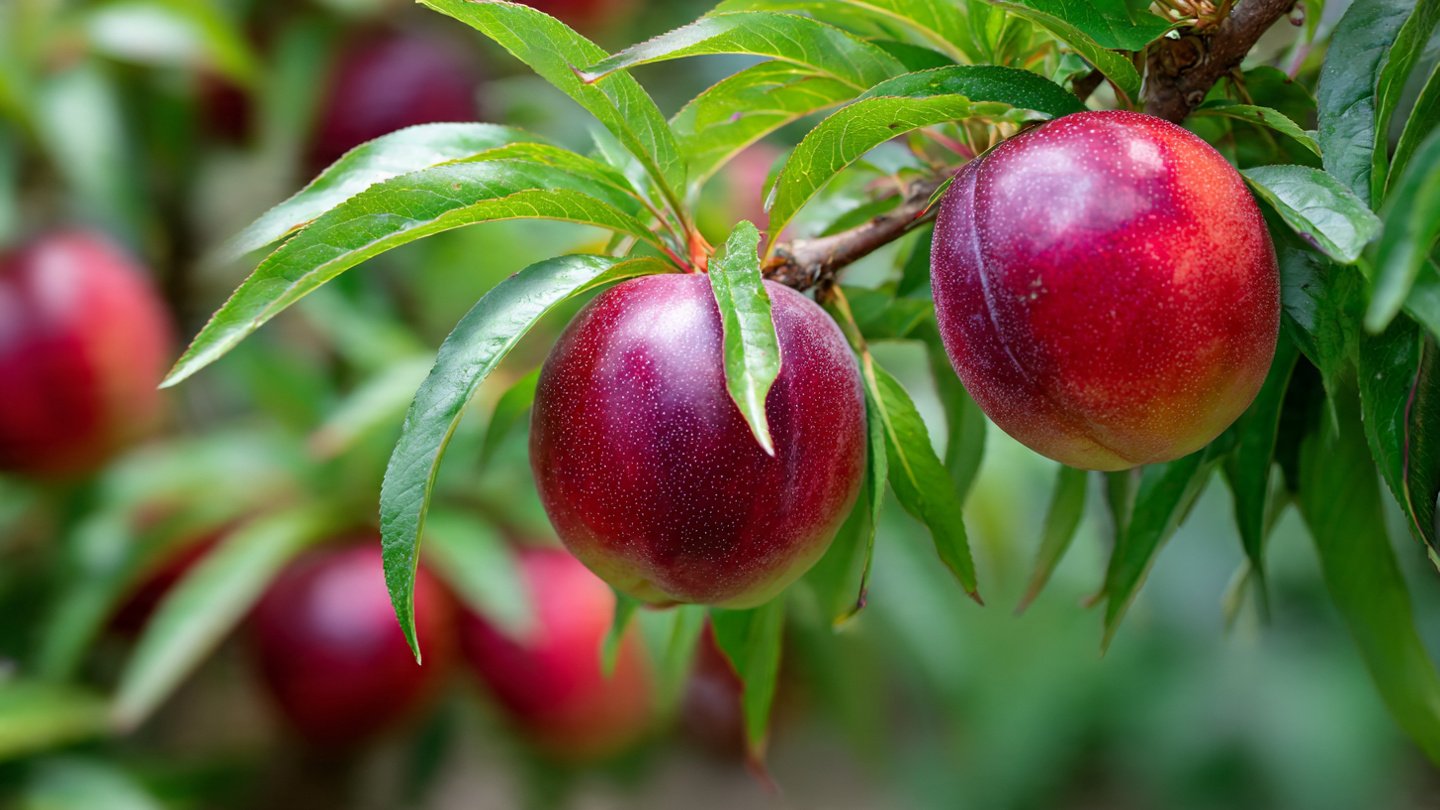
Nectarines are a delectable stone fruit, cherished for their sweet, juicy flesh and smooth skin. Propagating nectarines can be a rewarding venture, whether you’re a beginner looking to grow your own fruit or an expert aiming to refine your techniques. This comprehensive guide will go through the methods of propagation, care tips, and frequently asked questions to help you successfully cultivate these delightful fruits.
Understanding Nectarines
Nectarines (Prunus persica var. nucipersica) are closely related to peaches but have smooth skin instead of the fuzzy exterior of their peach counterparts. They thrive in warm climates and require well-drained soil, plenty of sunlight, and adequate moisture to produce bountiful fruit.
Types of Nectarines
- Freestone Nectarines: The flesh separates easily from the pit, making them ideal for fresh eating and cooking.
- Clingstone Nectarines: The flesh clings to the pit and is often used for canning and preserves.
Why Propagate Nectarines?
Propagation allows you to create new plants that are genetically identical to the parent plant. This method ensures that the desirable characteristics, such as flavor and disease resistance, are preserved.
Methods of Propagation
1. Seed Propagation
Step-by-Step Guide:
-
Choose and Harvest Seeds:
- Select fully ripe nectarines, and remove the pit.
- Allow the pits to dry for a few days.
-
Crack the Pits:
- Gently crack the pits to remove the seeds. Be careful not to damage the seeds.
-
Stratification:
- Mimic winter conditions by placing seeds in a damp paper towel inside a plastic bag and refrigerating them for 6 to 10 weeks.
-
Planting Seeds:
- Plant seeds in seed trays or pots filled with quality potting mix, covering them lightly.
- Water gently and place them in a warm, sunny location.
-
Germination:
- Seeds will typically germinate in 2-3 weeks. Keep the soil moist but not soggy.
-
Transplanting:
- Once seedlings are several inches tall and have developed their first true leaves, they can be transplanted into larger pots or directly into the ground.
Pros and Cons of Seed Propagation
- Pros: Cost-effective and creates genetic diversity.
- Cons: Variability in fruit quality and longer time to maturity (3-4 years).
2. Cuttings
Propagation through cuttings is a reliable method, especially for maintaining specific cultivars.
Step-by-Step Guide:
-
Select the Cutting:
- Choose a healthy, semi-hardwood branch from the current season’s growth.
-
Cut the Branch:
- Using sharp, sterile shears, cut a 6-8 inch section just below a leaf node.
-
Prepare the Cutting:
- Remove lower leaves, leaving only a couple of leaves at the top.
-
Rooting Hormone:
- Dip the cut end in rooting hormone to promote root development.
-
Planting the Cutting:
- Place the cutting in a pot filled with a well-draining plant medium (mix of perlite and peat or vermiculite works well).
-
Water and Cover:
- Water thoroughly and cover with a plastic bag or clear plastic dome to retain humidity.
-
Monitoring:
- Keep in a warm, low-light area. Roots should develop in 4-6 weeks.
-
Transplanting:
- Once rooted, transplant into larger pots or the ground.
Pros and Cons of Cuttings
- Pros: Faster results (1-2 years) and ensures the new plant is identical to the parent.
- Cons: Requires some skill and may have a lower success rate than other methods.
3. Grafting
Grafting is a more advanced technique that allows you to propagate nectarines and combine desirable traits from different rootstocks.
Step-by-Step Guide:
-
Select Rootstock:
- Choose a compatible rootstock that is disease-resistant.
-
Prepare the Scion:
- Take a healthy shoot from a nectarines cultivar. Make a slanting cut on one end (about 1 inch long).
-
Grafting Technique:
- Make a matching cut on the rootstock. Join the two pieces, ensuring the cambium layers touch.
-
Secure the Graft:
- Use grafting tape or wax to secure the graft union and prevent moisture loss.
-
Aftercare:
- Place the grafted plant in a protected environment and monitor for growth.
-
Transplanting:
- Once the graft takes hold (within a few weeks to months), pot or plant appropriately.
Pros and Cons of Grafting
- Pros: Combines traits from different varieties and can speed up fruit production.
- Cons: Requires advanced skills and knowledge of horticulture.
Caring for Newly Propagated Nectarines
Regardless of the propagation method, proper care is essential.
Soil Requirements
Nectarines prefer well-drained, sandy loam rich in organic matter. Conduct a soil test to check pH (ideally between 6.0 and 7.0) and amend accordingly.
Watering
Newly planted nectarines require regular watering, especially in hot weather. Avoid waterlogging, as this can lead to root rot.
Fertilizing
Feed young nectarine trees with a balanced fertilizer high in potassium and phosphorus. Application should occur in early spring and again in summer.
Pruning
Prune young trees to establish a strong structure. Focus on removing dead or crossing branches, and encourage an open center for better light penetration.
Pest and Disease Management
Regularly monitor for pests such as aphids, spider mites, and fruit flies. Implement organic pest control methods, such as neem oil or insecticidal soap, when necessary.
Frequently Asked Questions (FAQs)
1. How long does it take for nectarines to bear fruit?
Nectarines typically bear fruit in 3-4 years when grown from seed. If propagated by cuttings or grafting, fruiting may occur in 1-2 years.
2. Can I grow nectarines in containers?
Yes, nectarines can be grown in large pots. Choose a dwarf variety and ensure adequate drainage.
3. What is the best time to propagate nectarines?
Late winter or early spring is ideal for seed propagation and cuttings, while grafting is best done in late winter or early spring before new growth.
4. Are nectarines self-pollinating?
Most nectarines are self-pollinating but will produce better yields when planted in pairs for cross-pollination.
5. How should I care for my nectarines during winter?
Mulch around the base of the trees to insulate the roots. Young trees may require wrapping to protect from severe cold.
6. What is the best way to ensure high-quality fruit?
Ensure proper care, including regular watering, fertilizing, and pruning, to promote health and resistance to diseases.
Conclusion
Propagating nectarines can be a fulfilling journey filled with the joys of gardening and the sweetness of homegrown fruits. Whether you choose seed propagation, cuttings, or grafting, each method holds its unique advantages and challenges. By following this guide and dedicating time to care, you’ll be well on your way to enjoying the luscious fruits of your labor. Happy gardening!