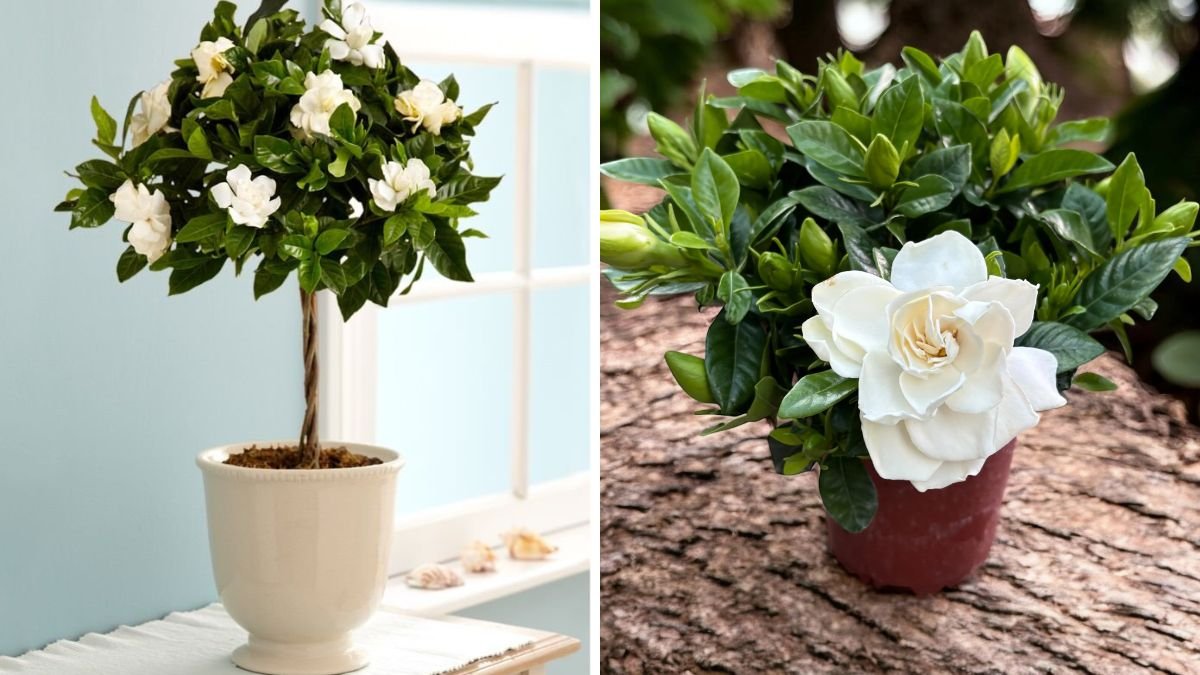
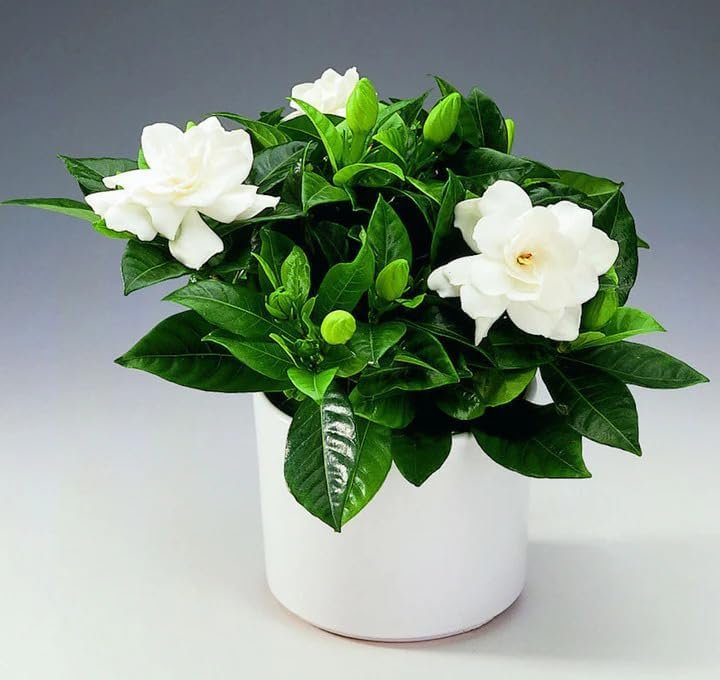
Cape jasmine, also known as Gardenia jasminoides, is one of the most beloved flowering plants worldwide, cherished for its fragrant blooms, glossy green leaves, and elegant beauty. This plant is perfect for home gardens, patios, and indoor spaces, where it brings a luxurious, tropical feel with its abundant white flowers and pleasant aroma. Known for producing many flowers throughout its blooming season, Cape jasmine is both a visual and aromatic delight for gardeners and plant enthusiasts.
This guide explores how to grow, care for, and nurture Cape jasmine to ensure a thriving plant with numerous blooms, enhancing the beauty of any garden or indoor space.
Why Grow Cape Jasmine?
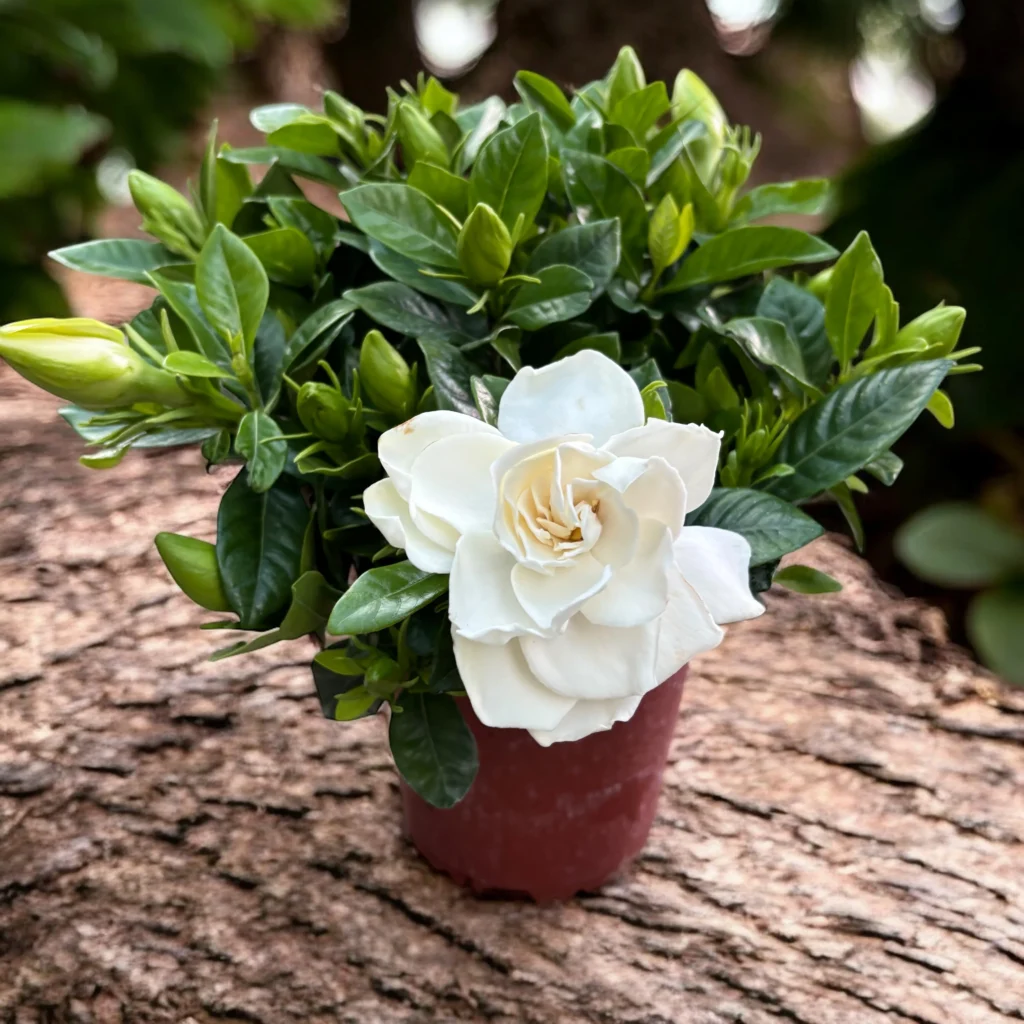
- Fragrant Flowers: The sweet, intense aroma of Cape jasmine makes it ideal for gardens, terraces, and even indoor spaces.
- Aesthetic Appeal: Its glossy, dark green foliage contrasts beautifully with pure white blooms, creating an elegant visual display.
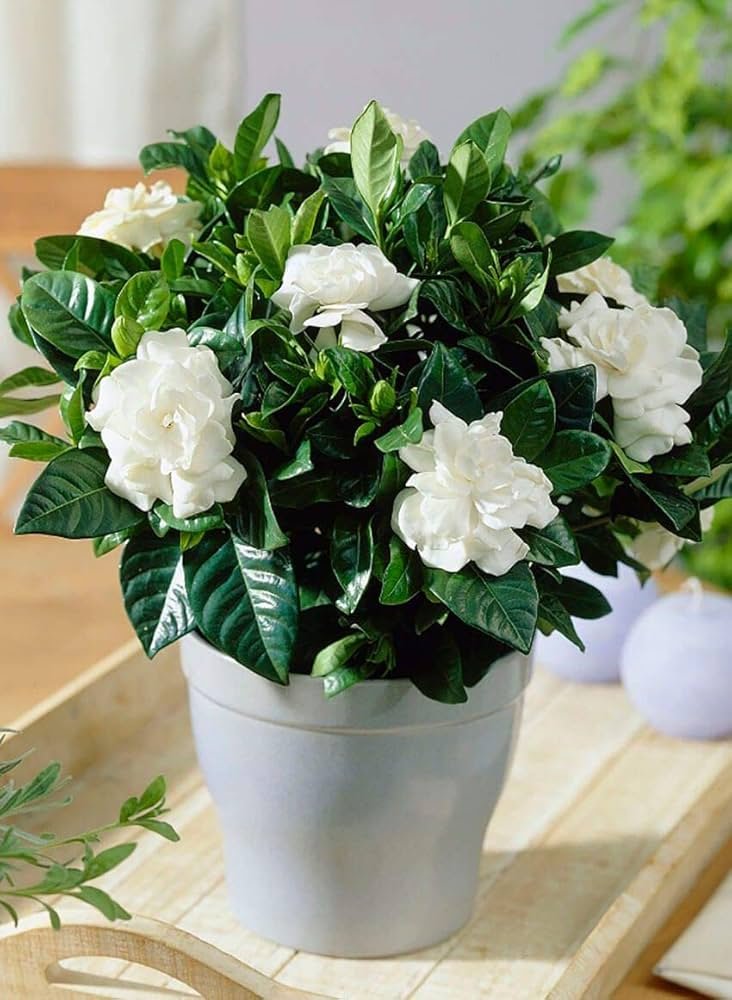
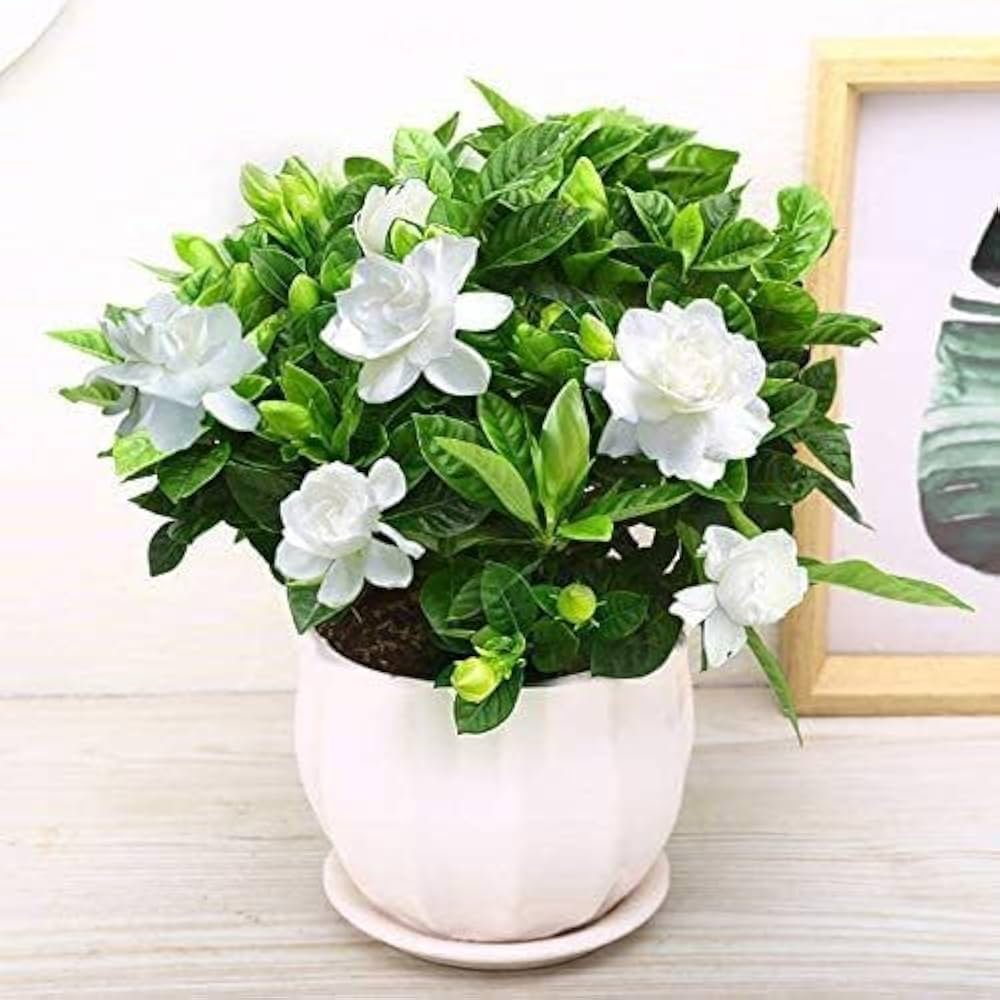
- Abundant Blooms: With proper care, Cape jasmine produces many flowers simultaneously, making it a show-stopping addition to any garden.
- Low Maintenance: Once established, it is relatively hardy and requires moderate care.
- Versatile Placement: Suitable for pots, borders, hedges, and indoor ornamental displays.
Choosing the Right Variety
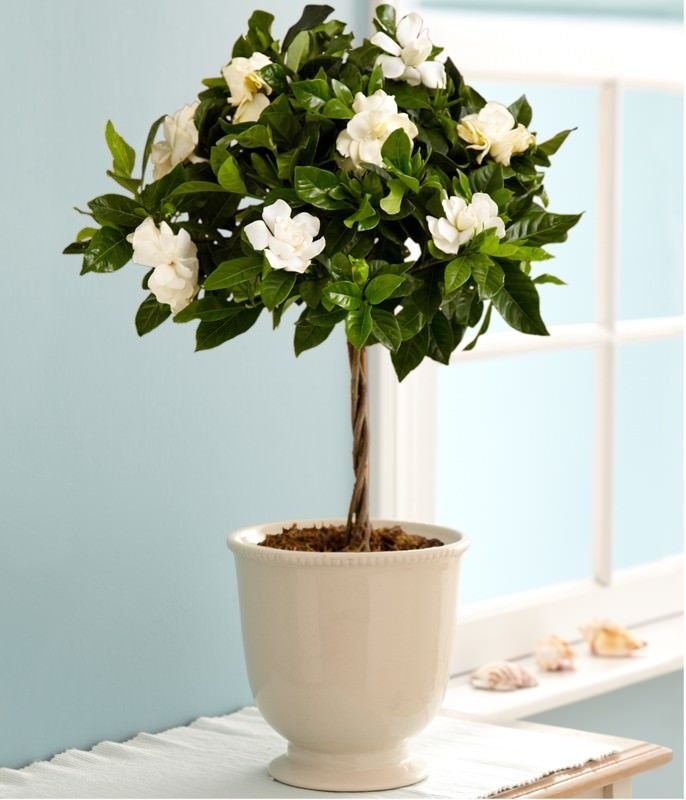
Cape jasmine comes in several varieties, each with unique characteristics:
- ‘Veitchii’ Cape Jasmine: Large, fragrant flowers; popular in tropical gardens.
- ‘August Beauty’ Gardenia: Continuous blooms; compact growth, suitable for containers.
- ‘Radicans’ Cape Jasmine: A low-growing, spreading variety ideal for ground cover or hanging baskets.
- Hybrid Gardenias: Offer extended flowering periods and improved disease resistance.
Selecting a variety depends on your available space, climate, and whether you prefer container or garden planting.
Ideal Conditions for Cape Jasmine
Cape jasmine thrives in warm, tropical to subtropical climates, but with proper care, it can also adapt to cooler regions. Key growing conditions include:
- Sunlight: Prefers partial shade to filtered sunlight. Direct afternoon sun may scorch leaves and reduce blooming. Morning sunlight is ideal.
- Soil: Well-draining, slightly acidic soil (pH 5.0–6.5) rich in organic matter is best. Gardenias struggle in alkaline soil.
- Temperature: Optimal growth occurs at 65–75°F (18–24°C). Protect plants from frost and extreme cold.
- Humidity: High humidity encourages abundant blooms; indoor plants may require occasional misting.
Planting Cape Jasmine
1. From Nursery Plants
- Choose healthy, disease-free plants from a nursery.
- Dig a hole slightly larger than the root ball and plant at the same depth as it was in the container.
- Water immediately after planting and apply mulch around the base to retain moisture.
2. From Cuttings
- Take semi-hardwood cuttings of 4–6 inches with a few leaves.
- Dip the cut end in rooting hormone and plant in a mixture of sand and peat.
- Keep soil moist and in a shaded area until roots develop (3–4 weeks).
- Transplant rooted cuttings into pots or garden beds.
3. Container Planting
- Use large pots with good drainage holes.
- A mixture of garden soil, compost, and sand works best.
- Container plants allow you to move Cape jasmine indoors during winter or harsh weather.
Caring for Cape Jasmine
1. Watering
- Water regularly to keep the soil consistently moist but not waterlogged.
- Reduce watering during the winter but avoid letting the soil dry out completely.
2. Fertilization
- Use an acidic fertilizer formulated for azaleas or camellias every 4–6 weeks during the growing season.
- Avoid over-fertilizing, which can reduce flower production.
3. Sunlight and Temperature
- Provide bright, indirect sunlight for optimal flowering.
- Maintain moderate indoor temperatures; extreme heat or cold can affect bloom quality.
4. Pruning
- Prune after flowering to shape the plant and remove dead or weak branches.
- Pruning encourages bushier growth and more flowers in the next blooming season.
5. Pest and Disease Management
- Aphids, mealybugs, and scale insects: Remove manually or spray neem oil.
- Leaf spot or powdery mildew: Improve air circulation and avoid overhead watering.
- Root rot: Ensure well-draining soil and avoid excess watering.
Encouraging Many Flowers
To ensure Cape jasmine blooms abundantly:
- Optimal Light: Provide filtered sunlight for 4–6 hours daily.
- Proper Watering: Maintain consistent moisture; stress from drought can reduce blooms.
- Balanced Fertilization: Use phosphorus-rich fertilizers to promote flower production.
- Pruning: Remove old, woody branches to encourage new flowering shoots.
- Humidity: Mist indoor plants or place near a tray of water to maintain high humidity.
With these practices, Cape jasmine can produce dozens of fragrant white flowers simultaneously, creating a stunning floral display.
Creative Gardening Ideas with Cape Jasmine
- Indoor Blooming Centerpiece
- Place potted Cape jasmine in living rooms or hallways to enjoy fragrant blooms indoors.
- Garden Borders and Hedges
- Plant multiple Cape jasmine shrubs in a row to create a fragrant hedge with continuous flowering.
- Terrace or Balcony Garden
- Container-grown Cape jasmine thrives on terraces and balconies with filtered sunlight.
- Combine with other flowering plants like hibiscus or orchids for a tropical feel.
- Mixed Container Arrangements
- Pair Cape jasmine with smaller plants like ferns or begonias in large pots to create layered visual appeal.
- Decorative Flower Corners
- Place Cape jasmine in corners or near entryways where its fragrance can be appreciated.
Harvesting and Enjoying Cape Jasmine Flowers
- Cape jasmine blooms can be enjoyed directly on the plant or used in floral arrangements.
- The flowers are ideal for indoor decoration, bouquets, or fragrant sachets.
- Deadhead faded flowers to encourage new blooms and maintain plant health.
- The intense fragrance makes them perfect for aromatic gardens or indoor plant displays.
Benefits of Growing Cape Jasmine
- Aesthetic Beauty: Glossy green foliage and abundant white flowers enhance any garden or indoor space.
- Fragrance: Fills rooms and outdoor areas with a sweet, tropical scent.
- Easy Maintenance: Hardy and adaptable to containers or garden beds.
- Abundant Blooms: With proper care, Cape jasmine can bloom continuously during the growing season.
- Versatile Placement: Suitable for borders, pots, hedges, and indoor displays.
Conclusion
Cape jasmine is a must-have flowering plant for any garden or indoor space. Its fragrant, white blooms and glossy foliage create an elegant and tropical aesthetic, while its care requirements are manageable for both beginners and experienced gardeners.
By following proper planting, watering, pruning, and fertilization techniques, Cape jasmine can produce many flowers simultaneously, creating a stunning visual and aromatic experience. Creative ideas such as container gardening, balcony arrangements, and indoor centerpieces allow you to enjoy its beauty and fragrance year-round.
Growing Cape jasmine not only enhances your living environment but also encourages a deeper connection with nature. With patience, care, and attention, your home can become a blooming paradise full of fragrant, dazzling white flowers, delighting both your senses and your garden visitors.