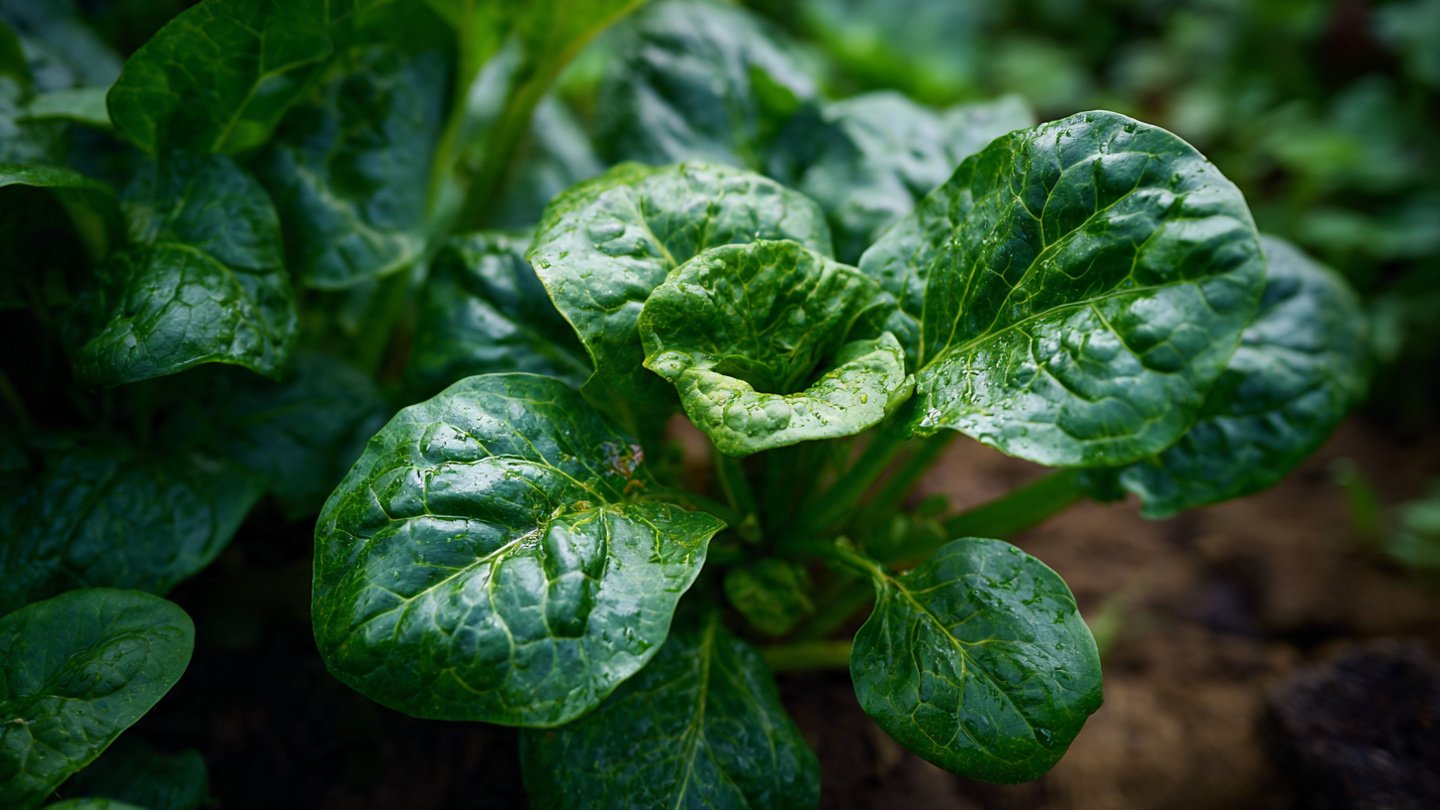
Malabar spinach, known scientifically as Basella alba, is a unique tropical vine that has gained popularity among home gardeners for its luscious, thick leaves and nutrient-rich profile. While traditional spinach (Spinacia oleracea) thrives in cooler temperatures, Malabar spinach flourishes in warm climates, making it an excellent choice for warm-season gardening. This article dives deep into the growing conditions, cultivation methods, pest control, and tips for successfully growing Malabar spinach, particularly focusing on achieving thick, succulent leaves.
Understanding Malabar Spinach
Characteristics
Malabar spinach is characterized by its heart-shaped leaves that can grow quite large, often reaching lengths of up to six inches. Varieties include the common green Malabar spinach and the red-stemmed variant, which boasts a slight berry-like flavor. The plant is not a true spinach; rather, it’s a member of the Basellaceae family, making it more akin to a vine. Its leaves can be used in various culinary dishes, from salads to stir-fries, and are rich in vitamins A, C, and calcium.
Ideal Growing Conditions
-
Climate: Malabar spinach thrives in USDA zones 9 to 11, where temperatures stay above 50°F (10°C). It is frost-sensitive, so gardeners in cooler climates should consider starting seeds indoors or using row covers.
-
Soil Requirements: Well-draining, fertile soil enriched with organic matter is best for Malabar spinach. The ideal pH level is between 5.5 and 7.5. A soil test can help determine its nutrient profile.
-
Light Requirements: Full sun exposure is crucial for robust growth. Malabar spinach requires at least six to eight hours of sunlight daily to produce thick, healthy leaves.
Starting Malabar Spinach Seeds
To successfully grow Malabar spinach with thick leaves, it starts right from the seeds. Here’s a step-by-step guide on the seed starting process:
-
Seed Selection: Choose high-quality seeds from a reputable supplier. Look for varieties noted for larger leaves or vigorous growth.
-
Seed Preparation: Malabar spinach seeds benefit from soaking in water for about 12 hours before planting. This soaking aids germination, particularly for older seeds.
-
Indoor vs. Outdoor Sowing:
- Indoor Sowing: Start seeds indoors in seed trays with potting mix about 6-8 weeks before the last expected frost. Transplant seedlings outdoors after they develop two true leaves and temperatures remain consistently warm.
- Outdoor Sowing: If you live in a warm climate, you can directly sow seeds outdoors after the danger of frost has passed.
-
Spacing: When transplanting, space plants 12-18 inches apart, as they will spread out as they grow. Providing adequate spacing is crucial for air circulation, allowing leaves to grow thick and healthy.
Care and Maintenance
Growing Malabar spinach with thick leaves requires consistent care:
-
Watering: Malabar spinach prefers consistently moist soil. Water deeply at least once a week, increasing frequency during hot, dry spells. Drip irrigation systems can help maintain moisture levels without wetting foliage, thus reducing the risk of fungal diseases.
-
Fertilization: Implement a balanced fertilizer or compost every few weeks to promote growth. A nitrogen-rich fertilizer will particularly support leaf development, leading to thicker leaves.
-
Pruning and Support: Malabar spinach is a climbing vine, so providing a trellis or other forms of support will allow it to grow upwards. Prune any leggy or old stems and pinch back leaf tips to encourage bushier growth, which can lead to more abundant and thicker leaves.
Pest and Disease Management
Like any plant, Malabar spinach is susceptible to certain pests and diseases. Here are common issues to address:
-
Pests:
- Aphids: These can suck the sap from the leaves. Use insecticidal soap or neem oil to control them.
- Spider Mites: Dry conditions can lead to infestations. Keeping humidity levels higher can prevent their occurrence.
- Whiteflies: Regularly inspect plants for signs of whiteflies and use sticky traps or insecticidal sprays as necessary.
-
Diseases:
- Powdery Mildew: This fungal disease can occur in humid conditions. Ensure proper spacing and airflow and avoid wetting the foliage when watering.
- Root Rot: Overwatering can lead to this issue. Always ensure good drainage in your pots or garden beds.
Harvesting Malabar Spinach
Harvesting is one of the most rewarding aspects of growing Malabar spinach. Knowing when and how to harvest is crucial for maintaining plant health and encouraging continual growth:
-
Timing: Begin harvesting leaves when they reach a size of about four inches long but before they turn too mature and tough. The best time to harvest is in the morning when the leaves are crisp and full of moisture.
-
Technique: Using scissors or shears, cut leaves or entire stems. Always leave a portion of the plant so it can continue to grow and produce more leaves.
Culinary Uses of Malabar Spinach
Malabar spinach’s thick, succulent leaves are versatile in the kitchen. Here are a few popular uses:
- Salads: Young leaves can be tossed into fresh salads for a unique spin and added texture.
- Stir-Fries: The leaves hold up well in high heat, making them perfect for stir-fried dishes.
- Soups and Stews: They can be added to soups for additional nutrients and flavors, enhancing traditional recipes.
Tips for Growing Thick-Leaved Malabar Spinach
To maximize the thickness of your Malabar spinach leaves, consider these gardening tips:
-
Optimal Spacing: Give plants sufficient space to grow without overcrowding, which can lead to smaller, thinner leaves.
-
Temperature Control: If growing in extreme heat, provide shade during the hottest part of the day to avoid leaf scorching.
-
Regular Harvesting: Continuously harvesting leaves encourages new growth and can help maintain the size and thickness of new leaves.
-
Balanced Watering: Avoid letting the soil dry out completely or become waterlogged, which can stress the plant and affect leaf thickness.
-
Companion Planting: Consider planting dense foliage plants nearby to create a microclimate that retains moisture without suffocating your Malabar spinach.
Conclusion
Growing Malabar spinach with thick, luscious leaves can be a rewarding experience, provided the right conditions and care practices are followed. Whether you’re an experienced gardener or a novice, this versatile leafy green can become a delightful addition to your garden. With its rich nutritional profile and culinary versatility, Malabar spinach is more than just a decorative vine; it’s a valuable crop that can provide sustenance and flavor year-round in suitable climates. By adhering to best practices for growing, caring for, and harvesting this remarkable plant, you can enjoy a bountiful harvest of thick, delicious leaves.
In essence, the cultivation of Malabar spinach is not only feasible but can yield fantastic results when nurtured correctly. So prepare your gardening space, follow the right techniques, and set yourself up for a successful growing season with this tropical delight!