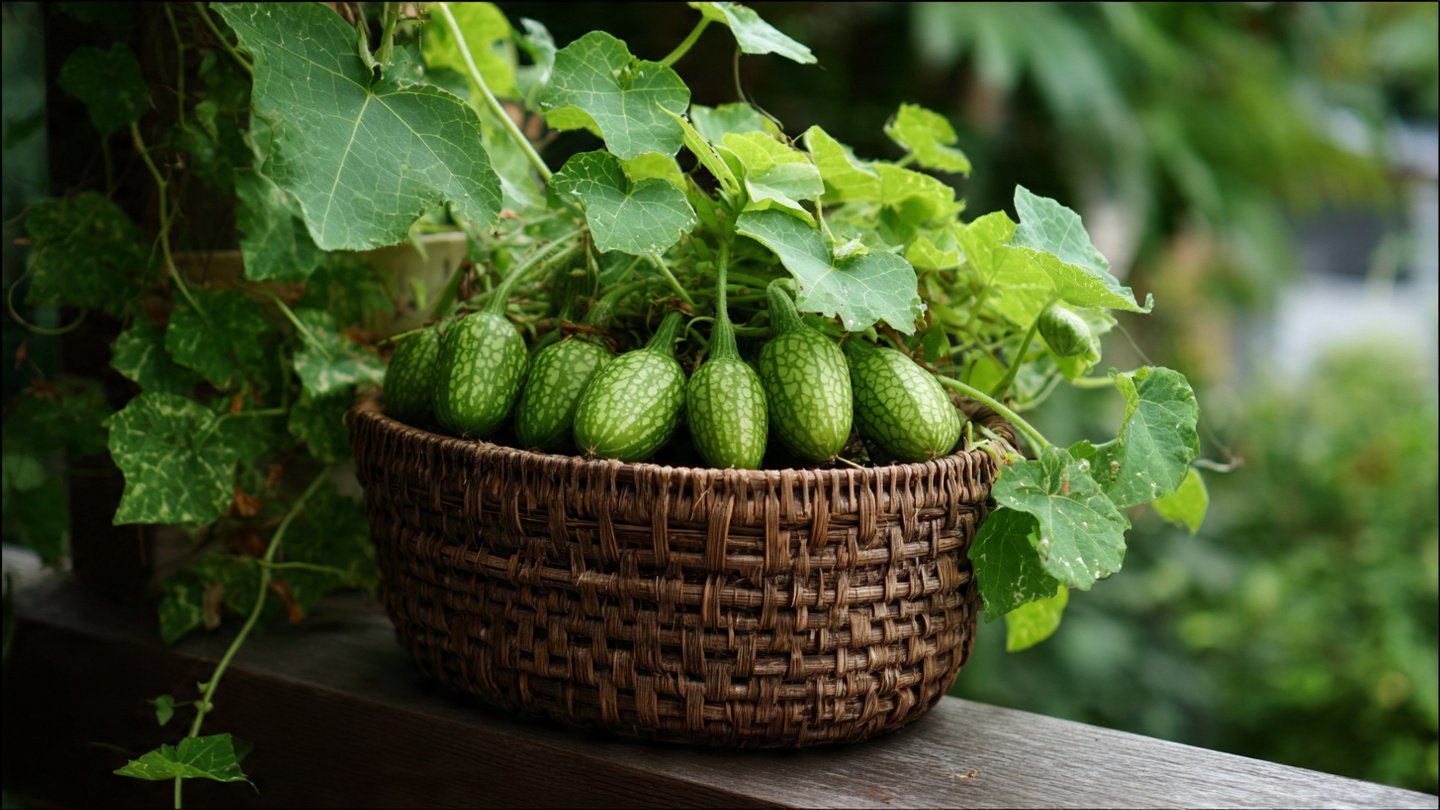
Gardening can be a rewarding hobby, offering both aesthetic pleasure and the satisfaction of growing your own food. For container gardeners, choosing the right plants that thrive in limited spaces is crucial. One fascinating plant that has gained popularity among urban gardeners is the ivy gourd (Coccinia grandis). This perennial vine, native to tropical Asia, can indeed be successfully grown in containers, offering a lush greenery and edible fruits. In this article, we’ll delve into the nuances of growing ivy gourd in containers, discussing everything from the right pot selection to essential care tips.
Understanding Ivy Gourd
Ivy gourd is a member of the Cucurbitaceae family, which includes cucumbers, melons, and pumpkins. It produces heart-shaped leaves and stems that can climb if provided with a support structure. The plant yields small, gourd-shaped fruits that are typically harvested when they’re still green, though they ripen to a bright red when fully mature. The taste is mildly sweet and often compared to that of a cucumber, making it a versatile ingredient in various dishes.
Benefits of Growing Ivy Gourd in a Container
-
Space Efficiency: Ivy gourd grows vigorously upward, making it an excellent choice for limited spaces. Container gardening allows you to cultivate this climbing plant even in small apartments or balconies.
-
Mobility: Containers can be easily moved, allowing you to take advantage of the best sunlight conditions throughout the day.
-
Pest Control: Growing ivy gourd in a container can help keep pests at bay, as you can monitor and manage the growing conditions more easily.
-
Custom Soil and Nutrients: Container gardening allows you to customize the soil composition, ensuring optimal nutrition for your ivy gourd.
Selecting the Right Container
Choosing the appropriate container is crucial for the successful growth of ivy gourd. Here are some essential considerations:
-
Size: A container with a depth of at least 12 to 18 inches and a width of 12 to 24 inches is ideal for accommodating the root system and allowing for healthy growth. A larger pot (5 to 10 gallons) will ensure better resources for the plant.
-
Material: Pots can be made from plastic, ceramic, or terracotta. Each material has its pros and cons. Plastic is lightweight and retains moisture well, while terracotta offers breathability but can dry out quickly.
-
Drainage: Proper drainage is essential to prevent root rot. Ensure that your container has multiple drainage holes at the bottom. You can also add a layer of gravel or small stones to improve drainage.
-
Mobility Consideration: If you might need to relocate your plants, consider lightweight options or containers with wheels.
Soil Requirements
The right soil mix makes a significant difference in the health of your ivy gourd:
-
Well-Draining Soil: A mix that consists of potting soil, perlite, and compost works well. This mixture will provide good aeration and drainage while retaining enough moisture.
-
pH Level: Ivy gourd prefers slightly acidic to neutral pH, ideally around 6.0 to 7.0. You can test your soil using a pH kit and adjust it as necessary.
-
Organic Matter: Incorporating organic matter, such as compost or well-rotted manure, helps provide essential nutrients, improving soil structure and fertility.
Planting Ivy Gourd
Starting Seeds
While you can start ivy gourd from seeds or transplants, starting from seeds often yields the best results:
-
Seed Preparation: Soak the seeds in water for about 24 hours to help germination.
-
Sowing: Plant seeds about 1 to 2 inches deep in the container. Space them approximately 6 inches apart to allow for growth.
-
Temperature: Ivy gourd thrives in warm conditions. Plant seeds or seedlings when soil temperatures are consistently above 70°F (21°C).
Transplanting
If you’re starting from seedlings, use the following steps:
-
Healthy Seedlings: Ensure your seedlings are robust and at least 4 to 6 inches tall before transplanting them into a larger container.
-
Spacing: When transplanting, position seedlings at least 12 inches apart to provide ample room for growth and airflow.
-
Acclimatization: Gradually acclimate seedlings to outdoor conditions by placing them outside for a few hours each day, increasing the time gradually over a week.
Providing Support
As a climbing vine, ivy gourd needs support to grow properly:
-
Trellises: Install a trellis, wire mesh, or a horizontal support system in the container. This will encourage upward growth and facilitate airflow around the plant.
-
Stakes: If using a stake, ensure it is sturdy enough to support the weight of a fully mature plant.
-
Training the Vines: As the vines grow, gently guide them towards the support structure, and use ties if necessary to secure them.
Watering
Proper watering is critical for container gardens:
-
Frequency: Ivy gourd requires regular watering, especially during hot weather. Check the soil daily; if the top inch feels dry, it’s time to water.
-
Deep Watering: Water deeply, allowing excess to drain from the bottom. This encourages the roots to grow deeper in search of moisture.
-
Avoid Overwatering: Ensure your container has adequate drainage to prevent waterlogging, which can lead to root rot.
Fertilization
Ivy gourd is a heavy feeder:
-
Balanced Fertilizer: Use a balanced, slow-release fertilizer during the growing season, following the instructions on the product for application rates.
-
Supplement with Liquid Fertilizer: Consider using a diluted liquid fertilizer every few weeks to support vigorous growth, particularly during the flowering and fruiting stages.
-
Organic Options: Compost and organic fertilizers can also improve soil health and provide nutrients slowly over time.
Light Requirements
Ivy gourd thrives in full sun conditions:
-
Sunlight: Aim for at least 6 to 8 hours of direct sunlight daily. A spot on a sunny balcony, patio, or balcony railing would be ideal.
-
Rotation: If growing multiple containers, rotate them occasionally to ensure even sun exposure for all plants.
-
Partial Shade: While full sun is best, ivy gourd can tolerate partial shade, particularly in hotter climates, as this can prevent excessive stress.
Pest and Disease Management
Although generally resilient, ivy gourd can still face pest and disease challenges:
-
Common Pests: Watch for aphids, spider mites, and whiteflies. Regularly inspect the leaves for signs of trouble.
-
Preventive Measures: Use insecticidal soap or neem oil to manage pests organically. Also, ensure proper air circulation to reduce humidity around the plant, which can deter fungal diseases.
-
Disease Awareness: Correct spacing, proper watering, and good drainage can help prevent diseases like powdery mildew and root rot.
Harvesting Ivy Gourd
Harvesting should be undertaken with care:
-
Timing: Pick the gourds while they are still young and green, typically when they are about 4-6 inches long. This stage ensures the best flavor and texture.
-
Technique: Use scissors or pruning shears to cut the fruit off the vine, leaving a small stem attached.
-
Ripening: If you wish to let some gourds ripen, choose a few and wait until they turn bright red. This can attract birds or other wildlife, so ensure you monitor them closely.
Conclusion
Growing ivy gourd in a container can be a gratifying venture that adds aesthetic appeal and nutritious produce to your home. By choosing the right container, soil mix, and support structures and providing proper care, you can cultivate a thriving plant that contributes fresh and delightful culinary options. Whether you’re a novice gardener or a seasoned enthusiast, ivy gourd offers an opportunity to explore the joys of container gardening while appreciating the beauty and utility of this extraordinary plant. Embrace the journey, and watch as your ivy gourd flourishes in its cozy container environment!