Introduction
As summer rolls in, many gardeners find themselves eager for a new crop to add to their repertoire. One interesting and often overlooked plant is the Ivy Gourd (Coccinia grandis). This versatile vine, native to tropical Africa and Asia, is not only known for its rapid growth but also for its nutritional benefits. But can you successfully cultivate Ivy Gourd during the summer? This article will explore the growing conditions, care requirements, potential challenges, and benefits of this unique plant.
What is Ivy Gourd?
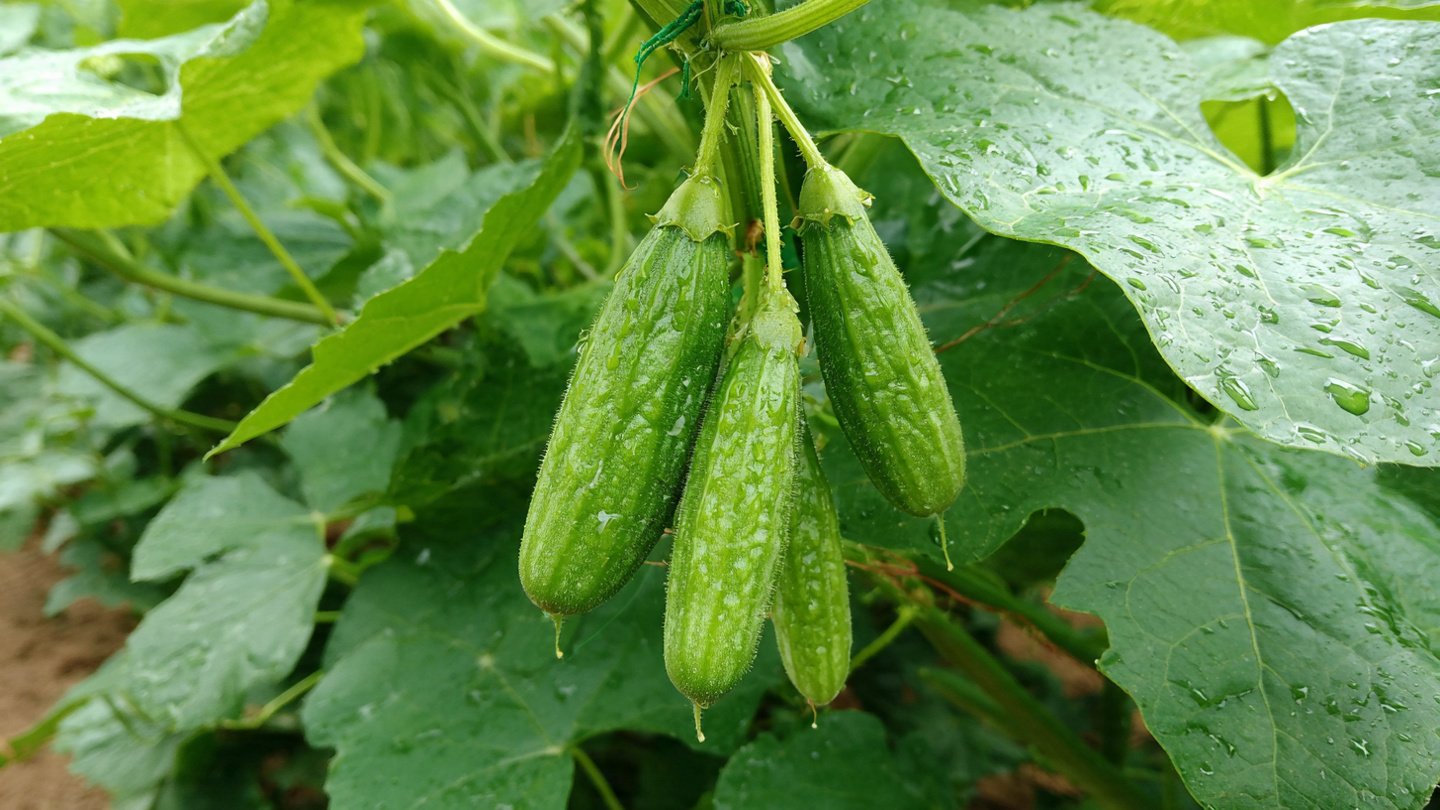
Ivy Gourd, also known as “Coccinia” or “Baby Watermelon,” is a vine that belongs to the Cucurbitaceae family. It features heart-shaped leaves and small, edible fruits that resemble miniature melons. Ivy Gourd is commonly used in various cuisines across Asia, particularly in India, Thailand, and Indonesia. The vine is well-loved for its tender, sweet fruits and leaves that are rich in vitamins and antioxidants.
Growing Conditions
Climate
Ivy Gourd thrives in warm, tropical, and subtropical climates. It requires a temperature range of 70°F to 95°F (21°C to 35°C) and is sensitive to cold weather. Given that summer provides optimal warm conditions, it’s the ideal time to start planting Ivy Gourd in temperate climates.
Soil Requirements
The plant prefers well-draining, fertile soil. A loamy soil rich in organic matter is ideal. The pH level should ideally be between 6.0 and 7.5. Before planting, it’s advisable to enrich the soil with compost or well-rotted manure to boost nutrients.
Sunlight
Ivy Gourd thrives in full sun, requiring at least 6-8 hours of direct sunlight daily. A sunny spot in your garden can encourage vigorous growth and fruit production.
Watering
Regular watering is crucial, especially during the summer heat. The soil should remain consistently moist but not waterlogged. Drip irrigation systems can be beneficial, providing consistent moisture while minimizing disease risks associated with overhead watering.
Planting Ivy Gourd
Seeds vs. Seedlings
You can start Ivy Gourd from seeds or buy young seedlings from a nursery. If starting from seeds, soak them in water for a day or two before planting to speed up germination. The seeds usually germinate within 7 to 10 days, and once they have developed a few leaves, you can transplant them outside.
Spacing
When planting Ivy Gourd, space the plants approximately 2-3 feet apart, giving them ample room to spread. They are climbers, so providing a trellis or support structure will encourage upward growth and enhance air circulation.
Care and Maintenance
Fertilization
Ivy Gourd benefits from regular fertilization. A balanced, slow-release fertilizer applied every 4-6 weeks can help maintain steady growth. Organic options like fish emulsion or kelp meal can also be effective.
Pruning
Regular pruning helps manage growth and encourages the production of more fruits. Remove any dead or unhealthy leaves and trim back overly vigorous vines to promote better air circulation.
Pest and Disease Management
While Ivy Gourd is relatively pest-resistant, it can attract common garden pests like aphids and spider mites. Regular monitoring and natural pest control methods—like introducing beneficial insects—can help maintain plant health. Fungal diseases can also occur, particularly in humid conditions. Proper spacing, pruning, and watering techniques can minimize outbreaks.
Harvesting Ivy Gourd
Ivy Gourd typically matures within 60-70 days after planting. The fruits are generally harvested when they are young and tender, usually around 4-6 inches in length. The best time to pick is when they are still green, as their flavor is more mild and palatable at this stage. Use a sharp knife to cut the fruit from the vine, being careful not to damage the plant.
Culinary Uses
Once harvested, Ivy Gourd can be prepared in various ways. They are often stir-fried, included in curries, or cooked in soups. The young leaves are also edible and can be used in salads or steamed as a nutritious green. The fruits have a mild flavor, making them a versatile ingredient in many dishes.
Health Benefits
Ivy Gourd is not just tasty; it’s also packed with health benefits. The fruit is low in calories and high in vitamins A and C, making it beneficial for immune support, skin health, and vision. Additionally, it has been traditionally used in some cultures for its potential to regulate blood sugar levels, making it a suitable option for those managing diabetes.
Challenges of Growing Ivy Gourd
Aggressive Growth
One of the primary challenges of growing Ivy Gourd is its aggressive growth habit. Without proper management, it can take over your garden space. Regular pruning and providing sufficient trellising help keep it in check.
Pest and Disease Pressure
While relatively resistant to pests, Ivy Gourd can still succumb to issues under certain conditions. In very humid climates, fungal diseases may emerge, requiring vigilant monitoring.
Space Requirements
Given its climbing nature, Ivy Gourd needs vertical space to grow. If gardening in limited space, an appropriate trellis or vertical garden system is essential to maintain an organized and productive garden.
Conclusion
So, can you successfully grow Ivy Gourd as your summer crop? Absolutely! With the right conditions, care, and management, Ivy Gourd can be a rewarding addition to your summer garden. Its nutritional benefits, versatile culinary uses, and rapid growth make it an exciting choice for both novice and experienced gardeners. By understanding its requirements and challenges, you can make the most of this unique vegetable and enjoy it in various delicious dishes throughout the summer months.
Whether you’re looking to diversify your vegetable garden or introduce a new flavor to your meals, Ivy Gourd is worth considering. Summer is the perfect time to plant this robust vine, giving you a fruitful harvest that can enhance both your garden and your kitchen. Happy gardening!