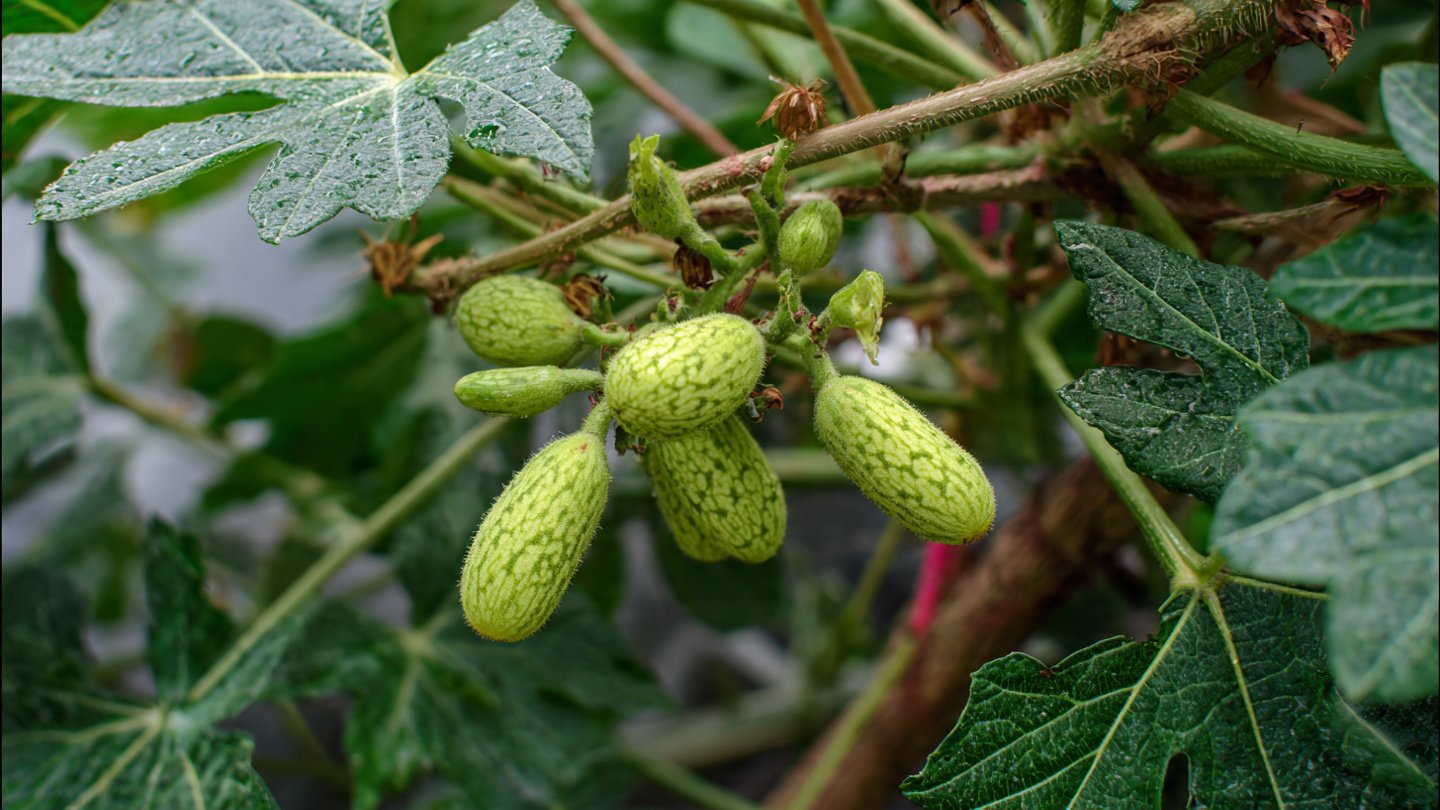
Introduction to Tindora
Tindora, commonly known as Ivy Gourd (Coccinia grandis), is a versatile vegetable popular in many Asian cuisines. Known for its tender, cucumber-like flavor and unique foliage, Tindora is a climber that flourishes in warm climates. It is often used in curries, salads, and pickles, offering not just culinary appeal but also numerous health benefits. High in vitamins and minerals, Tindora has also gained attention for its potential to aid in managing diabetes due to its low glycemic index.
However, like many plants, Tindora can attract a variety of pests, making cultivation a challenge. This article aims to explore methods for successfully growing Tindora while minimizing pest infestations, focusing on sustainable, organic practices that work. Let’s dive deeper into the optimal conditions for growing Tindora and ultimate hacks to deter pests.
Growing Conditions for Tindora
Climate and Soil
Tindora thrives in warm, tropical conditions, preferring temperatures between 70°F to 95°F (21°C to 35°C). It needs plenty of sunlight—ideally, at least 6 to 8 hours of direct sunlight daily. The soil should be well-draining and rich in organic matter. A slightly acidic to neutral pH (6.0 to 7.0) is ideal for optimal growth.
Planting Tindora
You can grow Tindora from seeds, cuttings, or seedlings. Start seeds indoors if you live in a cooler climate, or plant them directly outdoors once the threat of frost has passed. Plant seeds about ¼ inch deep and 2-3 feet apart to give the vines ample space to climb.
Using trellises can help Tindora to grow vertically, promoting better air circulation, which helps to reduce pest problems. Plus, this method saves space in the garden, making it perfect for urban gardening.
Common Pests That Affect Tindora
Pests are a common concern for cultivators of Tindora. Some of the most problematic pests include:
- Aphids: These tiny insects suck on the sap of the plant and can cause wilting and yellowing of leaves.
- Spider Mites: They thrive in dry conditions and can cause leaf discoloration, stippling, and ultimately, leaf drop.
- Whiteflies: Similar to aphids, they feed on plant sap and can transmit viruses.
- Fungal Gnats: They thrive in overwatered soil. Though they don’t harm plants directly, they can disturb the root system.
Understanding these pests is crucial in implementing preventive measures.
Ultimate Hacks to Grow Tindora without Pests
1. Companion Planting
One of the most effective and sustainable methods to deter pests is companion planting. By growing certain plants alongside Tindora, you can create an ecosystem that naturally repels pests. For instance, planting marigolds nearby can deter aphids and whiteflies. Likewise, herbs like basil and mint can create an aromatic barrier that pests find unappealing.
2. Natural Predators
Introduce beneficial insects that feed on common pests. Ladybugs and lacewings are great for controlling aphid populations. Ensure your garden habitat encourages these predators by planting native flowers and herbs that provide nectar and pollen.
3. Neem Oil
Neem oil is derived from the seeds of the neem tree and is a highly effective organic pesticide. It disrupts the life cycle of pests without harming beneficial insects when applied correctly. Mix neem oil with water and a few drops of liquid soap to create a potent spray. Apply in the early morning or late afternoon to minimize leaf burn.
4. Traps and Barriers
Setting up physical barriers can prevent pests from reaching your Tindora plants. Row covers protect young plants from both pests and harsh weather conditions. Sticky traps for flying insects can capture whiteflies and other pests before they proliferate.
5. Healthy Soil Practices
Healthy soil leads to healthy plants. Incorporate organic matter, like compost, into the soil to enhance fertility and structure. Healthy plants are less prone to pest infestations because they can better withstand stress.
6. Watering Techniques
Overwatering can attract pests like fungal gnats. Instead, water Tindora deeply but infrequently, allowing the soil’s surface to dry between watering. This method not only helps to deter pests but also encourages deeper root growth.
7. Crop Rotation
Rotate your Tindora plants every growing season. Changing the location reduces the likelihood of pests and diseases that may have settled in the soil, minimizing their impact on new crops.
8. Regular Monitoring
Regularly inspect your Tindora plants for signs of pest activity or damage. Early detection can make control much easier. Check the undersides of leaves, where many pests like to hide.
9. Homemade Remedies
Create effective homemade remedies using commonly available ingredients. For example, a soap spray made from diluted dish soap can effectively combat aphids. Another recipe involves mixing hot pepper with water and applying it as a spray to deter pests.
10. Mulching
Applying organic mulch around the base of your Tindora plants not only conserves moisture but also prevents weeds, which can harbor pests. Consider using straw or wood chips as mulch.
11. Patience and Persistence
Gardening is a long-term commitment. Even with the best practices in place, some pest issues are inevitable. Practicing patience, persistence, and adaptability is crucial as you learn what works best for your specific garden environment.
Conclusion
Growing Tindora can be a rewarding endeavor, especially when you consider its versatility in the kitchen and the health benefits it offers. While pests pose a challenge for Tindora cultivation, utilizing the hacks and strategies outlined in this article can significantly minimize pest problems. By embracing organic gardening principles, you not only protect your crops but also contribute to a healthier ecosystem.
Successful gardening is about creating a balance. You can grow Tindora more easily and healthily without pests by implementing proactive measures. With a little effort, attention, and creativity, your garden can flourish, yielding delicious and nutritious Tindora for your culinary enjoyment.
Are you ready to enjoy bountiful harvests of Tindora and explore the wonders of organic gardening? Implement these strategies and watch your garden thrive!