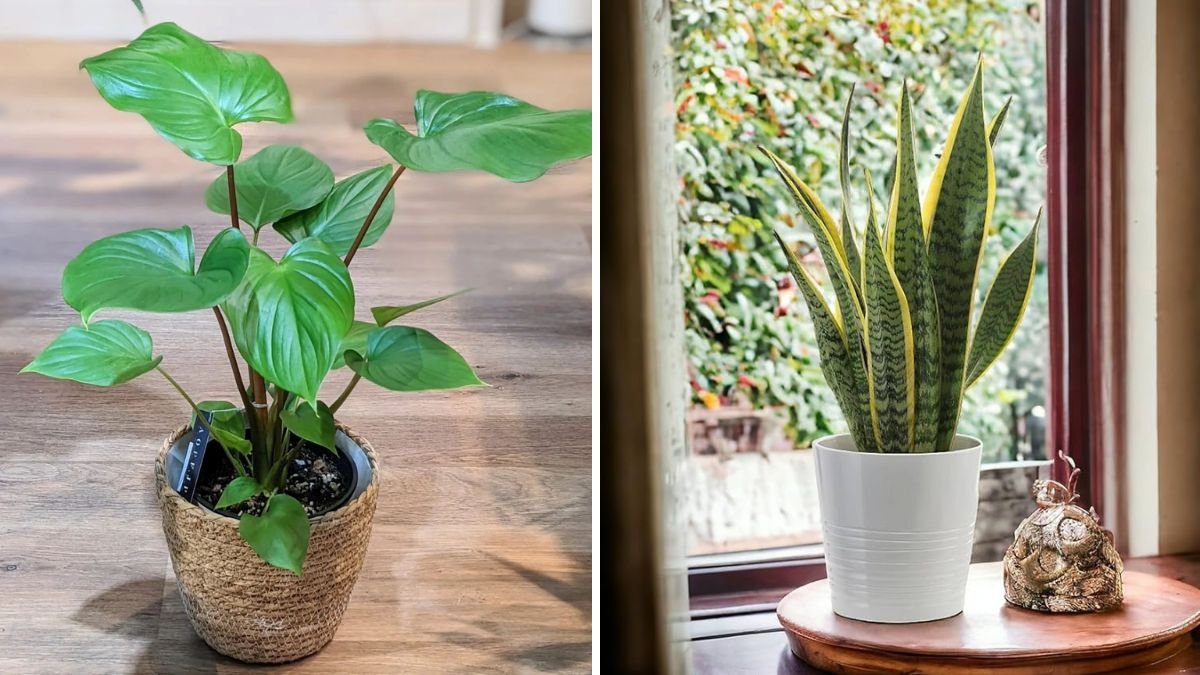
Indoor plants are more than just decorative pieces; they are natural air purifiers that can transform your living space into a healthier, fresher, and more relaxing environment. In today’s world, where indoor air pollution is a growing concern—from dust and allergens to volatile organic compounds (VOCs) emitted by furniture and electronics—bringing nature indoors has never been more important.
This comprehensive guide explores the best indoor plants that purify air, their benefits, care requirements, and tips for creating a green, toxin-free home.
🌱 Introduction: Why Indoor Plants Are More Than Decoration
Indoor plants offer multiple benefits:
- Air purification: Many plants remove harmful toxins like formaldehyde, benzene, and xylene from the air.
- Oxygen production: Through photosynthesis, plants increase oxygen levels in your home.
- Stress reduction: Studies show that greenery reduces anxiety and enhances mood.
- Humidity regulation: Plants release water vapor, which helps maintain indoor humidity levels.
- Aesthetic appeal: Indoor plants add color, texture, and life to any room.
By selecting the right plants, you can create a home that is both visually stunning and health-promoting.
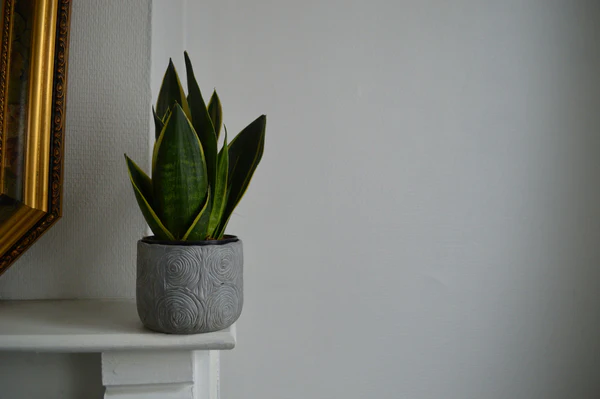
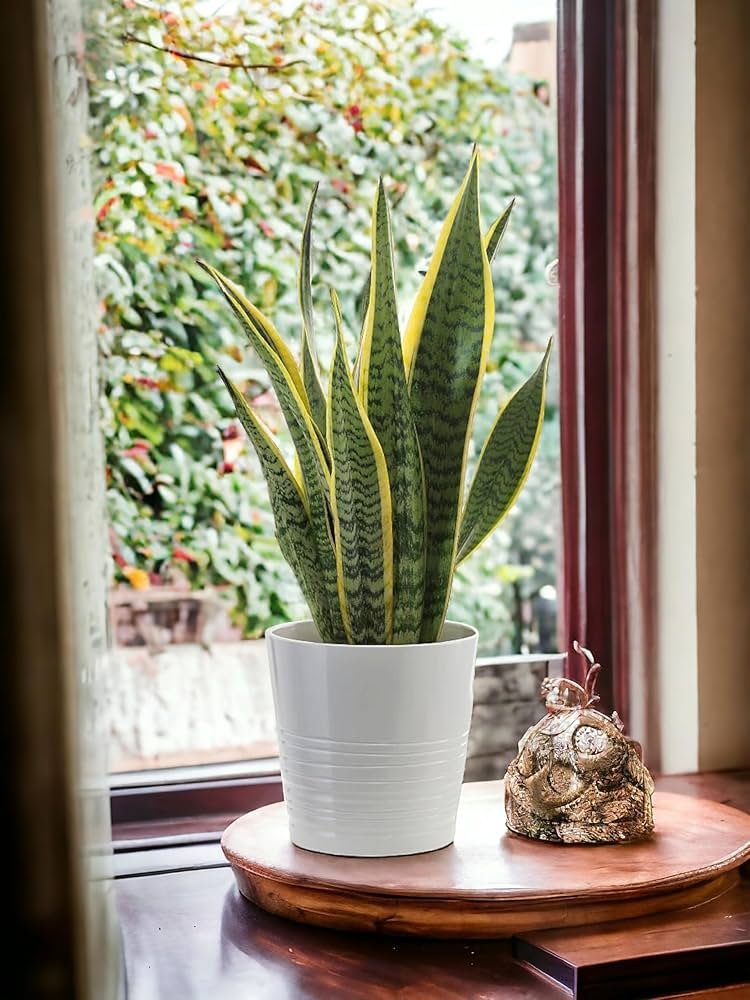
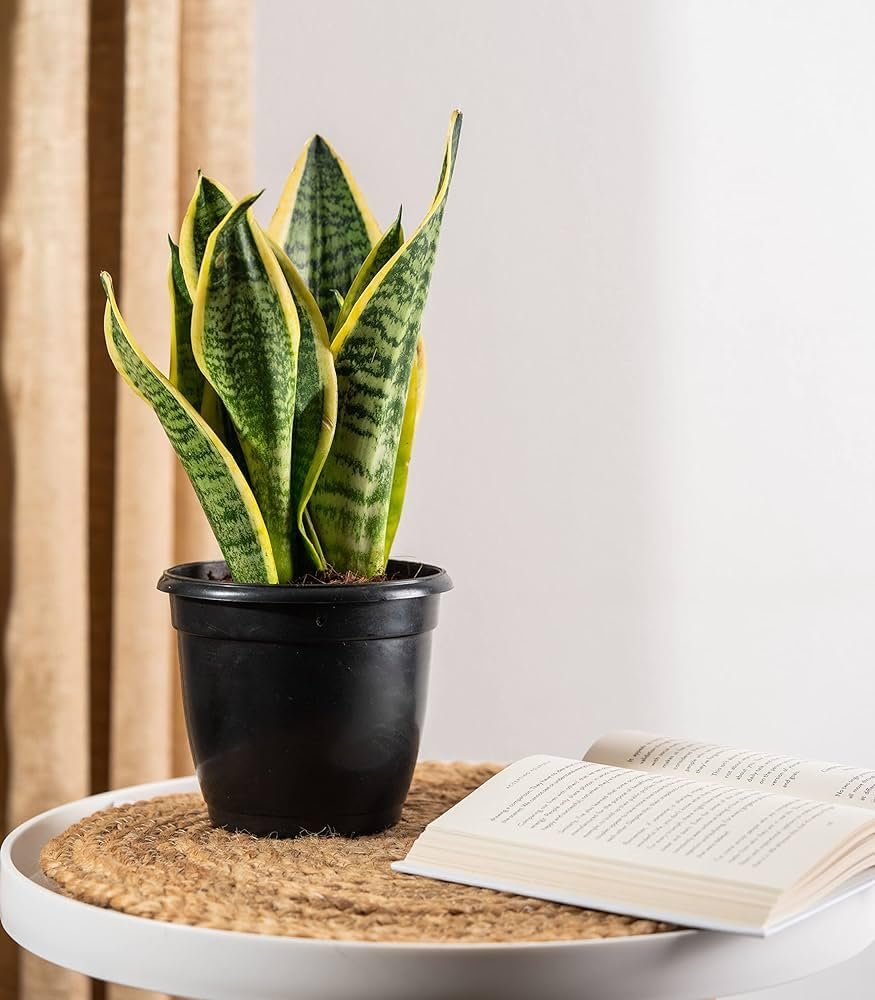
🌿 1. Snake Plant (Sansevieria trifasciata)
Why It’s Great:
- Extremely low-maintenance
- Converts CO₂ into oxygen at night, improving air quality while you sleep
- Removes toxins like formaldehyde, xylene, and toluene
Care Tips:
- Light: Tolerates low light but grows faster in bright, indirect light
- Water: Allow soil to dry completely between waterings
- Soil: Well-draining cactus or succulent mix
- Placement: Bedroom, office, or living room
Snake plants are ideal for beginners and busy households, thanks to their resilience and striking upright leaves.
🌿 2. Spider Plant (Chlorophytum comosum)
Why It’s Great:
- Effective at removing formaldehyde, carbon monoxide, and xylene
- Produces “baby” plants that can be propagated easily
- Non-toxic to pets
Care Tips:
- Light: Bright, indirect sunlight
- Water: Keep soil slightly moist; avoid waterlogging
- Temperature: Thrives in 18–24°C (65–75°F)
- Humidity: Average household humidity is sufficient
Spider plants are excellent for hanging baskets or shelves, adding charm while purifying your space.
🌿 3. Peace Lily (Spathiphyllum)
Why It’s Great:
- Removes ammonia, benzene, formaldehyde, and trichloroethylene
- Produces beautiful white flowers, adding elegance indoors
- Boosts humidity, benefiting respiratory health
Care Tips:
- Light: Low to moderate indirect sunlight
- Water: Keep soil moist but not soggy
- Temperature: 18–27°C (65–80°F)
- Fertilization: Feed monthly during growing season
Peace lilies are perfect for living rooms, bathrooms, and offices, especially where extra humidity is beneficial.
🌿 4. Areca Palm (Dypsis lutescens)
Why It’s Great:
- One of the best natural humidifiers
- Removes toxins like formaldehyde and xylene
- Adds a tropical feel to interiors
Care Tips:
- Light: Bright, indirect sunlight
- Water: Water regularly but allow top inch of soil to dry
- Soil: Well-draining potting mix
- Temperature: 18–24°C (65–75°F)
Areca palms are ideal for larger rooms and open spaces, offering both aesthetic and air-purifying benefits.
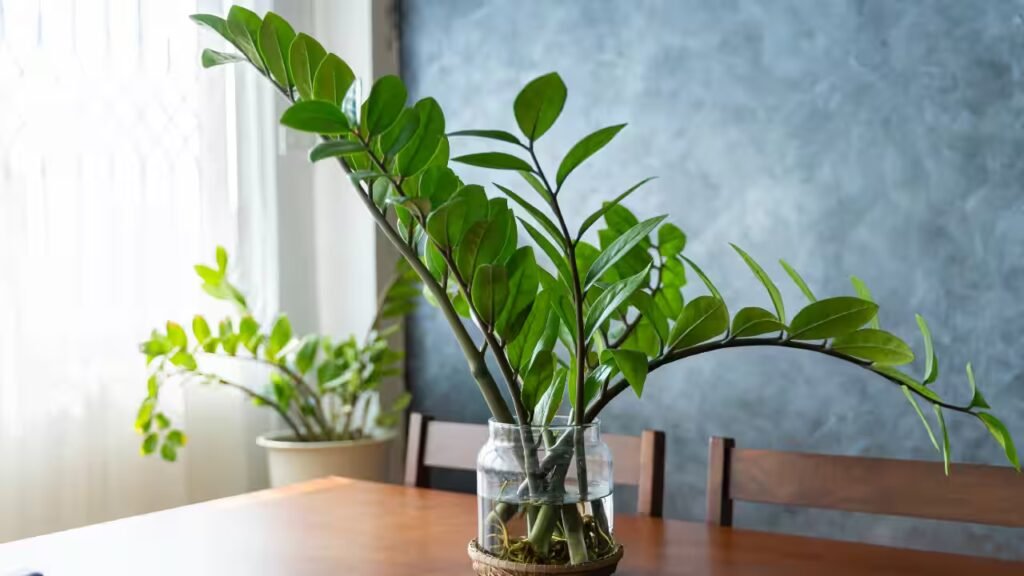
🌿 5. Rubber Plant (Ficus elastica)
Why It’s Great:
- Efficient at removing formaldehyde
- Thick, glossy leaves contribute to oxygen production
- Long-lived and low-maintenance
Care Tips:
- Light: Bright, indirect light; tolerates partial shade
- Water: Keep soil moist during growing season; reduce in winter
- Soil: Well-draining mix
- Temperature: 15–27°C (60–80°F)
Rubber plants are perfect for corners, offices, or living rooms, making a bold design statement while improving air quality.
🌿 6. Boston Fern (Nephrolepis exaltata)
Why It’s Great:
- Excellent at removing formaldehyde and xylene
- Adds lush greenery with feathery fronds
- Increases indoor humidity
Care Tips:
- Light: Indirect sunlight
- Water: Keep soil consistently moist; mist regularly
- Temperature: 16–24°C (60–75°F)
- Placement: Bathrooms, kitchens, or living rooms
Boston ferns are best for humid areas and add a soft, tropical touch to your home.
🌿 7. Aloe Vera (Aloe barbadensis miller)
Why It’s Great:
- Removes formaldehyde and benzene
- Medicinal uses for skin burns and minor cuts
- Low-maintenance succulent ideal for sunny spots
Care Tips:
- Light: Bright, indirect sunlight
- Water: Allow soil to dry completely between waterings
- Soil: Well-draining cactus or succulent mix
- Temperature: 13–27°C (55–80°F)
Aloe vera is perfect for kitchen windowsills or sunny bedrooms, combining utility with purification.
🌿 8. Bamboo Palm (Chamaedorea seifrizii)
Why It’s Great:
- Excellent for removing benzene, formaldehyde, and trichloroethylene
- Acts as a natural humidifier
- Compact, making it ideal for indoor spaces
Care Tips:
- Light: Bright, indirect light
- Water: Keep soil slightly moist
- Temperature: 18–24°C (65–75°F)
Bamboo palms are ideal for small apartments or offices, adding vertical greenery.
🌿 9. Pothos (Epipremnum aureum)
Why It’s Great:
- Effective at removing formaldehyde, xylene, and benzene
- Extremely hardy, tolerates low light and irregular watering
- Can grow as a hanging plant or climb walls
Care Tips:
- Light: Low to bright indirect light
- Water: Water when top 2 inches of soil are dry
- Temperature: 18–24°C (65–75°F)
Pothos is perfect for shelves, corners, or trailing over furniture, combining style and air purification.
🌿 10. Dracaena (Dracaena spp.)
Why It’s Great:
- Removes toxins like benzene, formaldehyde, trichloroethylene, and xylene
- Adds vertical interest with colorful foliage
- Low-maintenance and slow-growing
Care Tips:
- Light: Bright, indirect light
- Water: Allow soil to dry between waterings
- Temperature: 18–24°C (65–75°F)
Dracaena is ideal for offices, hallways, or living rooms, providing a sleek and modern aesthetic.
🌟 Tips for Maximizing Indoor Air Purification
- Mix plant types: Use a variety of plants for broader toxin removal.
- Maintain plant health: Regular watering, pruning, and cleaning leaves improve efficiency.
- Use multiple plants: NASA studies suggest 1 plant per 100 square feet for optimal purification.
- Rotate plants occasionally: Ensures all parts receive light and continue photosynthesis efficiently.
- Avoid overcrowding: Good airflow prevents fungal diseases.
🌳 Conclusion: Transform Your Home with Air-Purifying Plants
Indoor plants are more than decorative—they are natural air purifiers that enhance your health, mood, and home environment. From the resilient snake plant to the lush Boston fern, these green allies can reduce toxins, improve oxygen levels, and create a calming, beautiful space.
By strategically placing the best air-purifying indoor plants around your home, you can breathe easier, reduce stress, and enjoy the many aesthetic and health benefits of greenery.
Create your indoor jungle today, and turn your living space into a healthy, vibrant sanctuary. 🌿✨